

Application
Vacuum pumps for pneumatic conveying
In pneumatic conveying, a pressure difference in a closed pipeline moves powder, granules, bulk material and even finished goods from the pick-up point to the destination. On the suction side, the vacuum pump creates the vacuum that combines air and conveyed material into a mixture; at the end, a separator separates the material from the air again. Below you can see how the application works, what vacuum the manufacturers name and which of their series are intended for it – 591 models from 6 manufacturers.
Compare 591 modelsHow it works
- 591Models
- 53Series
- 6Manufacturers
- above 200 mbarworking pressure in vacuum conveying (Leybold)
Touch the points: each part of the system explains itself.
In short
Pneumatic conveying: the key facts
- PrincipleBecker describes pneumatic conveying as a pressure difference in pipelines that moves powder, granules, semi-finished and finished goods; according to Elmo Rietschle, the vacuum in suction conveying systems creates an air-material mixture.
- Working pressureFor vacuum conveying, Leybold lists a working pressure of often above 200 mbar – a rough vacuum that sucks products through pipes by a pressure difference.
- SeparatorAccording to Leybold, a separator stops the products before they reach the pump; Busch describes the conveying of bulk material and powder by suction air or compressed air in a closed line.
- Conveyed materialsThe manufacturers name powder, granules, compounds, cement and lime, sugar and flour, cheese curd and whey, ice, wet food waste, meat waste and even live fish – from dry dust to air-liquid mixtures.
Operating principle
How it works: Pneumatic conveying
The drawing shows the basic principle in section. The systems and pumps of the individual manufacturers differ in detail.
- SuctionThe vacuum pump lowers the pressure in the line; at the pick-up point, air flows in and carries the conveyed material with it – according to Elmo Rietschle, an air-material mixture is created.
- ConveyingThe pressure difference moves the mixture through the closed pipeline to the destination; Busch describes conveying by suction air or compressed air in a closed line.
- SeparationAt the destination, the separator separates the material from the air before it reaches the pump (Leybold); the filter retains the fine dust, and the pump releases the air to the exhaust.
Vacuum and sizing
Pneumatic conveying: how much vacuum is needed
What the manufacturers say about pressure, pumping speed and sizing.
Which vacuum
For vacuum conveying, Leybold lists a working pressure of often above 200 mbar – so the work is done in the rough vacuum range.
Suction or pressure conveying
Busch describes bulk material and powder conveyed by suction air or compressed air in a closed line, and for milk powder suction/pressure conveying in a closed network. In addition to vacuum pumps (VT, VX, KVT, KVX, VTLF, VXLF, O, U, U4, VADS, BCV), Becker names pressure/vacuum pumps, side channel blowers and compressors (T, DVT, SV, VASF, KDT, DTLF, BCP). Elmo Rietschle lists side channel blowers (G-BH), claw (C) and rotary vane vacuum pumps (V).
What determines the sizing
The conveyed material: for fine, powdery ingredients, Becker names oil-free transport with VADS; for powder and granules in the pharmaceutical industry, Busch names gentle conveying with MINK, R5, SAMOS and TYR. For wet materials, Busch names DOLPHIN, HUCKEPACK, MINK, R5 and TYR (wet food waste) and MINK and DOLPHIN for live fish; Atlas Copco describes the conveying of poultry parts with moisture and protein.
What the manufacturers point out
The separator in front of the pump (Leybold), closed and leak-tight lines (Busch) and oil-free pumps where food is conveyed (Becker, VADS). For conveying, Atlas Copco names the speed-controlled GVS VSD+, DHS VSD+ and LRP VSD+ as well as DZS, DVS and DB, without describing the conveying in more detail; Edwards lists nEDC and EDC for vacuum conveying.
Technology
Pneumatic conveying: the vacuum pumps the manufacturers name
Listed are the series the manufacturer itself names for this application. “Show only …” sets the filter of the product overview.
Side channel blowers
168 models · 24–2,200 m³/h
Oil-lubricated rotary vane vacuum pumps
135 models · 3–1,800 m³/h
Liquid ring vacuum pumps
73 models · 25–16,160 m³/h
Claw vacuum pumps
65 models · 18–1,150 m³/h
Dry-running rotary vane vacuum pumps
45 models · 1.9–495 m³/h
Screw vacuum pumps
43 models · 63–4,652 m³/h
Roots vacuum pumps
26 models · 250–12,000 m³/h
Rotary lobe blowers
16 models · 535–4,000 m³/h
Dry-running rotary vane pressure/vacuum pumps
14 models · 10–137 m³/h
Claw compressors
3 models · 65–238 m³/h
Claw pressure/vacuum pumps
2 models · 94–117.8 m³/h
Screw compressors
1 model · 1,230 m³/h
Product overview
Pneumatic conveying: all 591 models compared
Use the filters on the left to narrow the selection – by manufacturer, technology and the models’ key figures, for 50 or 60 Hz.
Atlas Copco DBD series 6 models
 DBD 90Pumping speed 91 m³/h 50 Hz110 m³/h 60 HzUltimate pressure 650 – 700 mbarRated motor power 1.1 – 1.5 kW 50 Hz1.3 – 1.7 kW 60 HzVariants 2
Atlas Copco DBDt series 17 models
 DBDt 140Pumping speed 139 m³/h 50 Hz168 m³/h 60 HzUltimate pressure 700 mbarRated motor power 2.2 kW 50 Hz2.6 kW 60 HzVariants 1
Atlas Copco DBS series 29 models
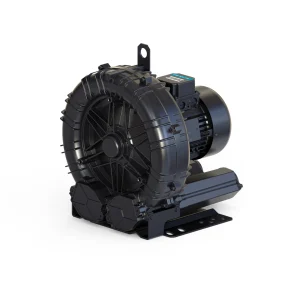 DBS 70Pumping speed 74 m³/h 50 Hz89 m³/h 60 HzUltimate pressure 850 – 900 mbarRated motor power 0.37 – 0.55 kW 50 Hz0.42 – 0.65 kW 60 HzVariants 2
Atlas Copco DBSt series 12 models
Atlas Copco DHS VSD+ series 1 model
Atlas Copco DVS series 10 models
Atlas Copco DZS series 8 models
Atlas Copco GVS VSD+ series 4 models
Atlas Copco LRP VSD+ series 3 models
Becker BCV series 7 models
Becker DVT series 4 models
Becker KVT series 4 models
Becker KVX series 4 models
Becker O series 6 models
Becker SV series 16 models
Becker T series 6 models
Becker U4 series 6 models
Becker U series 8 models
Becker VADS series 3 models
Becker VASF series 6 models
Becker VTLF series 6 models
Becker VT series 7 models
Becker VXLF series 5 models
Becker VX series 4 models
Busch COBRA Industry series 36 models
Busch DOLPHIN series 70 models
Busch HUCKEPACK series 4 models
Busch MINK series 32 models
Busch PANDA/PUMA series 26 models
Busch R5 series 58 models
Busch SAMOS series 31 models
Busch TYR series 16 models
Edwards EDC series 2 models
Edwards nEDC series 3 models
Elmo Rietschle C-KLR series 2 models
Elmo Rietschle C-VLR series 7 models
Elmo Rietschle C-VLU series 4 models
Elmo Rietschle G-BH1 series 25 models
Elmo Rietschle G-BH2 series 9 models
Elmo Rietschle G-BH7 series 15 models
Elmo Rietschle G-BH9 series 1 model
Elmo Rietschle G-BH100 series 1 model
Elmo Rietschle V-KTR series 4 models
Elmo Rietschle V-VCA/VCE series 2 models
Elmo Rietschle V-VCB series 2 models
Elmo Rietschle V-VCS series 13 models
Elmo Rietschle V-VCX series 7 models
Elmo Rietschle V-VGD series 2 models
Elmo Rietschle V-VTN series 3 models
Elmo Rietschle V-VTR series 2 models
Leybold CLAWVAC series 5 models
Leybold NOVADRY series 4 models
Leybold SOGEVAC series 23 models
No model matches these filters.
Atlas Copco DBD series 6 models
Atlas Copco DBDt series 17 models
Atlas Copco DBS series 29 models
Atlas Copco DBSt series 12 models
Atlas Copco DHS VSD+ series 1 model
Atlas Copco DVS series 10 models
Atlas Copco DZS series 8 models
Atlas Copco GVS VSD+ series 4 models
Atlas Copco LRP VSD+ series 3 models
Becker BCV series 7 models
Becker DVT series 4 models
Becker KVT series 4 models
Becker KVX series 4 models
Becker O series 6 models
Becker SV series 16 models
Becker T series 6 models
Becker U4 series 6 models
Becker U series 8 models
Becker VADS series 3 models
Becker VASF series 6 models
Becker VTLF series 6 models
Becker VT series 7 models
Becker VXLF series 5 models
Becker VX series 4 models
Busch COBRA Industry series 36 models
Busch DOLPHIN series 70 models
Busch HUCKEPACK series 4 models
Busch MINK series 32 models
Busch PANDA/PUMA series 26 models
Busch R5 series 58 models
Busch SAMOS series 31 models
Busch TYR series 16 models
Edwards EDC series 2 models
Edwards nEDC series 3 models
Elmo Rietschle C-KLR series 2 models
Elmo Rietschle C-VLR series 7 models
Elmo Rietschle C-VLU series 4 models
Elmo Rietschle G-BH1 series 25 models
Elmo Rietschle G-BH2 series 9 models
Elmo Rietschle G-BH7 series 15 models
Elmo Rietschle G-BH9 series 1 model
Elmo Rietschle G-BH100 series 1 model
Elmo Rietschle V-KTR series 4 models
Elmo Rietschle V-VCA/VCE series 2 models
Elmo Rietschle V-VCB series 2 models
Elmo Rietschle V-VCS series 13 models
Elmo Rietschle V-VCX series 7 models
Elmo Rietschle V-VGD series 2 models
Elmo Rietschle V-VTN series 3 models
Elmo Rietschle V-VTR series 2 models
Leybold CLAWVAC series 5 models
Leybold NOVADRY series 4 models
Leybold SOGEVAC series 23 models
Models a manufacturer no longer carries in its current range are listed in its “Outdated models” section.
Industries
Pneumatic conveying: where the manufacturers name it
The manufacturers list these uses on their own pages.
Plastics and recycling
Becker names granule conveying, Elmo Rietschle the transport of granules and compounds with side channel blowers (G-BH), Busch MINK, R5, SAMOS and TYR, Leybold CLAWVAC and NOVADRY for granule conveying and Edwards nEDC and EDC for vacuum conveying.
Food and beverage
Busch describes the suction or pressure conveying of raw materials and ingredients with MINK, SAMOS and TYR (for pet food TYR and MINK) and the conveying of wet food waste with DOLPHIN, HUCKEPACK, MINK, R5 and TYR.
Dairy
For milk powder, Busch names suction/pressure conveying in a closed network with R5, DOLPHIN and PANDA/PUMA, and for cheese curd and whey transport in leak-tight lines with R5, MINK and DOLPHIN.
Confectionery and bakery
Busch describes the vacuum conveying of sugar and flour with DOLPHIN, MINK, SAMOS and TYR.
Meat, poultry and fish
Atlas Copco describes the conveying of poultry parts that carry moisture and protein; Leybold assigns the conveying of meat waste to containers with CLAWVAC to food processing.
Fish farming and aquaculture
Busch names the pneumatic transport of live fish through pipes with MINK and DOLPHIN and the suction conveying of ice to the processing stages with MINK and R5.
Woodworking
Becker names the conveying of pellets and wood chips; Busch also lists pneumatic conveying for woodworking.
Chemicals
For chemicals and pharmaceuticals, Busch names COBRA, R5, DOLPHIN and MINK; Elmo Rietschle lists pneumatic transport in chemicals and names cement and chemicals among the conveyed materials of its series.
Pharmaceuticals and biotechnology
Busch describes the gentle conveying of powder and granules with MINK, R5, SAMOS and TYR.
Construction
Becker names the conveying of cement and lime in the construction industry, without naming a series.
Environmental and wastewater
Becker names the conveying of wastewater and air-liquid mixtures in environmental technology.
Packaging
Becker names the oil-free vacuum conveying of fine, powdery ingredients with VADS for primary packaging and food processing; Leybold assigns waste conveying with CLAWVAC to food processing and packaging.
Mechanical engineering and manufacturing
Becker names pneumatic tube systems in general mechanical engineering; Leybold describes vacuum conveying for general industry with CLAWVAC and SOGEVAC: products are sucked through pipes by a pressure difference.
Medical and healthcare
Becker names pneumatic tubes for sample logistics in medical technology.
Beverages and bottling
Elmo Rietschle names the pneumatic transport of granules and liquids in the beverage industry.
Frequently asked questions
Pneumatic conveying: frequently asked questions
How does pneumatic conveying with vacuum work?
A vacuum pump lowers the pressure in a closed pipeline. At the pick-up point, air flows in and carries the conveyed material with it – according to Elmo Rietschle, the vacuum creates an air-material mixture. Becker describes how the pressure difference in pipelines moves powder, granules, semi-finished and finished goods. At the destination, a separator stops the products before they reach the pump (Leybold).
Which vacuum pump is suitable for pneumatic conveying?
The manufacturers name several technologies side by side. Busch names MINK, R5, SAMOS and TYR, and for moist materials also DOLPHIN and HUCKEPACK. Becker names series from VT to VASF, Elmo Rietschle side channel blowers (G-BH), claw (C-KLR, C-VLR, C-VLU) and rotary vane vacuum pumps (V). Atlas Copco lists DZS, DVS, DB, GVS VSD+, DHS VSD+ and LRP VSD+, Leybold CLAWVAC, NOVADRY and SOGEVAC, Edwards nEDC and EDC. Which one fits depends on the conveyed material.
How much vacuum does vacuum conveying need?
Not much: for vacuum conveying, Leybold lists a working pressure of often above 200 mbar. What matters is the volume flow and the pressure difference in the line, not a deep vacuum.
Suction conveying or pressure conveying – what is the difference?
In suction conveying, the vacuum pump draws the material to the destination with the air flow; according to Elmo Rietschle, the vacuum creates the air-material mixture. In pressure conveying, a compressor pushes the air through the line from the pick-up point. Busch describes both as conveying by suction air or compressed air in a closed line, and for milk powder as suction/pressure conveying in a closed network. For this, in addition to vacuum pumps, Becker also names pressure/vacuum pumps, side channel blowers and compressors (T, DVT, SV, VASF, KDT, DTLF, BCP).
Oil-free or oil-lubricated for conveying food?
For the vacuum conveying of fine, powdery ingredients, Becker expressly names oil-free transport with VADS. For ingredients and raw materials, Busch names MINK, SAMOS and TYR, and for milk powder R5, DOLPHIN and PANDA/PUMA. What matters is whether the conveying air comes into contact with the food.
Which vacuum pump for conveying plastic granules?
Elmo Rietschle describes the transport of granules and compounds with side channel blowers (G-BH1 to G-BH100). For plastics, Busch names MINK, R5 and SAMOS, and TYR in its product finder; Leybold lists CLAWVAC and NOVADRY for granule conveying, Edwards nEDC and EDC, Atlas Copco DHS VSD+ for plastics and dust. Becker names granule conveying in the plastics industry without a series.
Can wet or moist materials be conveyed pneumatically?
Yes, the manufacturers name several cases. Busch describes the conveying of wet food waste (DOLPHIN, HUCKEPACK, MINK, R5, TYR), of cheese curd and whey in leak-tight lines (R5, MINK, DOLPHIN), of ice for cooling (MINK, R5) and even of live fish (MINK, DOLPHIN). Atlas Copco describes the conveying of poultry parts with moisture and protein, Leybold the conveying of meat waste to containers with CLAWVAC, Becker wastewater and air-liquid mixtures.
Why does vacuum conveying need a separator?
Because the conveyed material must not enter the pump. According to Leybold, the products are sucked through pipes by a pressure difference, and a separator stops them in front of the pump. At the destination, the separator separates the material from the air; a filter retains the fine dust that passes it.
What to do if powder reaches the vacuum pump?
Then the separator or filter is not tight, is full or is too small for the conveyed material. Leybold describes the separator as the component that stops the products in front of the pump. Separator and filter must match the material and be emptied regularly. Powder in the pump leads to wear and loss of performance.
What is vacuum conveying used for outside food and plastics?
Becker names the conveying of cement and lime in the construction industry, pneumatic tube systems in mechanical engineering, pneumatic tubes for sample logistics in medical technology, and wastewater and air-liquid mixtures in environmental technology. Elmo Rietschle names pneumatic transport in chemicals and in the beverage industry, Atlas Copco conveyor technology and cargo handling with GVS VSD+.
A single pump or a central vacuum system?
A central system in a room of its own keeps noise and heat away from production and matches its output to the demand. Central vacuum systems are planned and built by Eugen Theis Vakuum, a company of the Ehrler & Beck group – more under Central Vacuum.
Does Ehrler & Beck also supply spare parts and service?
Yes. Ehrler & Beck offers original spare parts and accessories as well as maintenance and repair.
Which pump suits your process?
Tell us the application, the medium and the volume – we advise you on selection, spare parts and service.
