

Application
Vacuum pumps for vacuum packaging
In vacuum packaging, the air is removed from the bag or tray before the pack is sealed. Without oxygen, germs cannot multiply – that is the reason Atlas Copco gives; Busch names the removal of air as what extends shelf life, and Leybold the protection of aroma and texture. Below you can see how the application works, what vacuum the manufacturers name and which of their series are intended for it – 548 models from 7 manufacturers.
Compare 548 modelsHow it works
- 548Models
- 46Series
- 7Manufacturers
- 1 to ≤ 0.1 mbarultimate pressure of the U5 in floor-standing chamber machines (Becker)
Touch the points: each part of the system explains itself.
In short
Vacuum packaging: the key facts
- Less oxygenAtlas Copco gives as the reason for vacuum packaging that germs cannot multiply without oxygen. Busch names the removal of air as the reason for a longer shelf life, also for pet food; according to Leybold, removing the air before sealing protects aroma and texture.
- Chamber machinesThe bag or film lies in a vacuum chamber; this is how Busch describes chamber packaging. For tabletop chamber machines, Becker names flat pumps with 4–40 m³/h and for floor-standing chamber machines the U5 with 40–360 m³/h; in its product finder, Busch lists tabletop, free-standing and large industrial chamber machines as well as rotary table and carousel machines.
- Tray sealers and skinFor tray sealers, Busch names COBRA, HUCKEPACK, MINK, PANDA, PUMA and R5. Leybold lists CLAWVAC for tray sealing and names NOVADRY and DRYVAC for skin packaging – according to Leybold, a low pressure is needed while the film is heated; Atlas Copco names the Roots pumps of the DRB series for high-speed and skin packaging.
- Liquids and powdersWhen liquids are packaged, the bags stand at an angle or upright, according to Busch, so that the liquid does not boil under vacuum; COBRA, DOLPHIN, HUCKEPACK and R5 are named. According to Busch, milk powder is filled into its final packaging under vacuum.
Operating principle
How it works: Vacuum packaging
The drawing shows the basic principle in section. The systems and pumps of the individual manufacturers differ in detail.
- LoadingThe filled bag or tray goes into the chamber, and the lid closes. For tabletop chamber machines, according to Becker, the flat design of the pump matters; the O5 is no more than 160 mm high.
- EvacuationThe vacuum pump extracts the air from the chamber and the bag. For tabletop chamber machines, Becker names 2 mbar (O6, O5) or 1 mbar (U 5.40), for floor-standing chamber machines 1 to ≤ 0.1 mbar with the U5.
- SealingThe sealing bar closes the bag, then the chamber is vented and the film settles against the product. When liquids are packaged, the bags stand at an angle or upright, according to Busch, so that nothing boils.
Vacuum and sizing
Vacuum packaging: how much vacuum is needed
What the manufacturers say about pressure, pumping speed and sizing.
Which vacuum
For tabletop chamber machines, Becker names 2 mbar (O6, O5) and 1 mbar (U 5.40), for floor-standing chamber machines 1 to ≤ 0.1 mbar with the U5 and ≤ 0.5 mbar with the O2-PACK version. For the V-VCB 20 and 25 in small chamber packaging machines, Elmo Rietschle states an ultimate vacuum of 2 mbar (abs.), for the S-VSI 300 0.1 mbar (abs.). For skin packaging, Leybold names a low pressure while the film is heated, without a figure.
Which pumping speed
Becker: 4–40 m³/h for tabletop chamber machines, 40–360 m³/h with the U5 for floor-standing chamber machines. Elmo Rietschle: 20–26.5 m³/h for the V-VCB 20 and 25, up to 380 m³/h for the S-VSI 300, which is about short evacuation times. For the highest throughput, Leybold names pump systems of DRYVAC and RUVAC on rotary chamber machines.
What determines the sizing
The type of machine determines the pump: in its product finder, Busch distinguishes tabletop machines (R5), free-standing chamber machines (PANDA, R5), large industrial chamber and rotary table machines (COBRA, PANDA, PUMA, R5), tray sealers and clip machines. For rotary and inline tray sealers, Atlas Copco names the GHS 402–1002 and, for poultry packaging, boosters and rotary vane pumps in or next to the machine. Becker points out that the U5 also fits as a 1:1 replacement for other makes.
What the manufacturers point out
Liquids: place bags at an angle or upright, avoid boiling (Busch). According to Elmo Rietschle, tight packs need precise vacuum control on filling and sealing machines. Pharmaceuticals: according to Busch, blisters, vials and syringes are pre-evacuated and sealed; Atlas Copco names protection against moisture and oxygen. As a benefit, Edwards names less volume and storage space.
Technology
Vacuum packaging: the vacuum pumps the manufacturers name
Listed are the series the manufacturer itself names for this application. “Show only …” sets the filter of the product overview.
Oil-lubricated rotary vane vacuum pumps
149 models · 3–1,800 m³/h
Liquid ring vacuum pumps
103 models · 20–16,160 m³/h
Screw vacuum pumps
100 models · 63–5,740 m³/h
Roots vacuum pumps
83 models · 210–13,540 m³/h
Claw vacuum pumps
49 models · 18–1,150 m³/h
Side channel blowers
31 models · 40–2,200 m³/h
Dry-running rotary vane vacuum pumps
25 models · 3–130 m³/h
Dry-running rotary vane pressure/vacuum pumps
4 models · 58–135 m³/h
Claw compressors
3 models · 65–238 m³/h
Screw compressors
1 model · 1,230 m³/h
Product overview
Vacuum packaging: all 548 models compared
Use the filters on the left to narrow the selection – by manufacturer, technology and the models’ key figures, for 50 or 60 Hz.
Atlas Copco DRB series 4 models
 DRB 250Pumping speed 253 m³/h 50 Hz304 m³/h 60 HzUltimate pressure Rated motor power 1.1 kW 50 Hz1.1 kW 60 HzVariants 2
Atlas Copco DVS series 10 models
 DVS 5Pumping speed 5 m³/h 50 Hz6 m³/h 60 HzUltimate pressure 120 mbarRated motor power 0.12 kW 50 Hz0.15 kW 60 HzVariants 3
Atlas Copco DWS VSD+ series 6 models
Atlas Copco DZS series 8 models
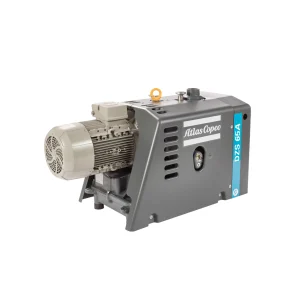 DZS 065APumping speed 65 m³/h 50 Hz78 m³/h 60 HzUltimate pressure 50 mbarRated motor power 1.8 kW 50 Hz2.2 kW 60 HzVariants 12
Atlas Copco GHS VSD+ series 21 models
Atlas Copco GVS series 9 models
Atlas Copco GVS VSD+ series 4 models
Atlas Copco ZRS series 5 models
Becker BCV series 7 models
Becker O series 6 models
Becker RBP series 3 models
Becker U4 series 6 models
Becker U O2-PACK series 5 models
Becker U series 8 models
Becker VADS series 3 models
Busch COBRA Industry series 36 models
Busch DOLPHIN series 70 models
Busch HUCKEPACK series 4 models
Busch MINK series 32 models
Busch PANDA/PUMA series 26 models
Busch R5 series 58 models
Busch SAMOS series 31 models
Busch SECO series 10 models
Edwards EH series 5 models
Edwards EOSi series 10 models
Edwards LR1A series 12 models
Edwards LR1C series 9 models
Edwards LR1D series 12 models
Elmo Rietschle S-SVT series 11 models
Elmo Rietschle S-VSI series 1 model
Elmo Rietschle V-KTR series 4 models
Elmo Rietschle V-VCA/VCE series 2 models
Elmo Rietschle V-VCB series 2 models
Elmo Rietschle V-VCS series 13 models
Elmo Rietschle V-VCX series 7 models
Elmo Rietschle V-VGD series 2 models
Elmo Rietschle V-VTN series 3 models
Elmo Rietschle V-VTR series 2 models
Leybold CLAWVAC series 5 models
Leybold DRYVAC series 9 models
Leybold NOVADRY series 4 models
Leybold RUVAC WA/WAU series 8 models
Leybold RUVAC WH/WHU series 7 models
Leybold RUVAC WS/WSU series 8 models
Leybold SOGEVAC series 23 models
Pfeiffer Vacuum HiLobe series 17 models
No model matches these filters.
Atlas Copco DRB series 4 models
Atlas Copco DVS series 10 models
Atlas Copco DWS VSD+ series 6 models
Atlas Copco DZS series 8 models
Atlas Copco GHS VSD+ series 21 models
Atlas Copco GVS series 9 models
Atlas Copco GVS VSD+ series 4 models
Atlas Copco ZRS series 5 models
Becker BCV series 7 models
Becker O series 6 models
Becker RBP series 3 models
Becker U4 series 6 models
Becker U O2-PACK series 5 models
Becker U series 8 models
Becker VADS series 3 models
Busch COBRA Industry series 36 models
Busch DOLPHIN series 70 models
Busch HUCKEPACK series 4 models
Busch MINK series 32 models
Busch PANDA/PUMA series 26 models
Busch R5 series 58 models
Busch SAMOS series 31 models
Busch SECO series 10 models
Edwards EH series 5 models
Edwards EOSi series 10 models
Edwards LR1A series 12 models
Edwards LR1C series 9 models
Edwards LR1D series 12 models
Elmo Rietschle S-SVT series 11 models
Elmo Rietschle S-VSI series 1 model
Elmo Rietschle V-KTR series 4 models
Elmo Rietschle V-VCA/VCE series 2 models
Elmo Rietschle V-VCB series 2 models
Elmo Rietschle V-VCS series 13 models
Elmo Rietschle V-VCX series 7 models
Elmo Rietschle V-VGD series 2 models
Elmo Rietschle V-VTN series 3 models
Elmo Rietschle V-VTR series 2 models
Leybold CLAWVAC series 5 models
Leybold DRYVAC series 9 models
Leybold NOVADRY series 4 models
Leybold RUVAC WA/WAU series 8 models
Leybold RUVAC WH/WHU series 7 models
Leybold RUVAC WS/WSU series 8 models
Leybold SOGEVAC series 23 models
Pfeiffer Vacuum HiLobe series 17 models
Models a manufacturer no longer carries in its current range are listed in its “Outdated models” section.
Industries
Vacuum packaging: where the manufacturers name it
The manufacturers list these uses on their own pages.
Packaging
Becker, Busch, Elmo Rietschle and Leybold describe vacuum packaging for packaging machinery: Becker for tabletop and floor-standing chamber machines, tray sealing machines and rotary chamber machines, Busch for chamber, rotary table and clip machines as well as tray sealers, Leybold for chamber, belt chamber and rotary chamber machines, Elmo Rietschle for small chamber packaging machines as well as filling and sealing machines.
Food and beverage
Busch names R5 as the standard for the vacuum packaging of food, in which, according to Busch, removing the air extends shelf life; for packaging in food processing, Edwards names EH, LR and EOSi and, as a benefit, less volume and storage space.
Meat, poultry and fish
For meat packaging, Atlas Copco names GHS VSD+ and gives as the reason for the vacuum that germs cannot multiply without oxygen; in poultry packaging, boosters and rotary vane pumps stand in or next to the packaging machine.
Dairy
According to Busch, hard cheese is vacuum-packed (R5, COBRA, for MAP MINK) and milk powder is filled into its final packaging under vacuum; Pfeiffer Vacuum lists HiLobe for vacuum packaging in cheese making.
Pharmaceuticals and biotechnology
For sterile packaging, Busch names the pre-evacuation and sealing of blisters, vials and syringes (COBRA, DOLPHIN, MINK, PANDA, PUMA, R5, SAMOS); Atlas Copco names GHS VSD+ for blister packs with protection against moisture and oxygen, and DRB for pharmaceutical packaging; Pfeiffer Vacuum lists packaging for the pharmaceutical industry without describing it.
Fish farming and aquaculture
In fish farming, according to Busch, all the air is removed from the pack (MINK, R5, and in the product finder also PANDA and PUMA); Pfeiffer Vacuum lists HiLobe for vacuum packaging.
Confectionery and bakery
For confectionery, according to Busch, the vacuum holds the film in place and evacuates the bag before it is closed (PANDA, R5); Pfeiffer Vacuum names HiLobe for casings and packaging.
Beverages and bottling
Atlas Copco names DZS for the precise application of labels in beer bottling; Elmo Rietschle lists packaging and sealing in the beverage industry without describing them in more detail.
Medical and healthcare
For medical devices, Atlas Copco names airtight packaging together with leak detection on implants and infusion systems.
Chemicals
Busch and Pfeiffer Vacuum also list packaging for the chemical industry without describing it there in more detail.
Frequently asked questions
Vacuum packaging: frequently asked questions
How does a vacuum packaging machine work?
The bag or film lies in a vacuum chamber, as Busch describes it. The vacuum pump extracts the air from the chamber and the bag, then the sealing bar seals the pack and the chamber is vented. Leybold sums it up like this: the air is removed before sealing, which protects aroma and texture.
Which vacuum pump for chamber machines?
Busch names R5 as the standard and assigns the series in its product finder: R5 for tabletop machines, PANDA and R5 for free-standing chamber machines, COBRA, PANDA, PUMA and R5 for large industrial chamber and rotary table machines. Leybold names SOGEVAC, NOVADRY and DRYVAC for chamber machines and DRYVAC with RUVAC for rotary chamber machines. Becker names the O series and the U 5.40 for tabletop chamber machines, and U5, U4 and RBP for floor-standing chamber machines.
How much vacuum does vacuum packaging need?
For tabletop chamber machines, Becker names 2 mbar (O6, O5) and 1 mbar (U 5.40), for floor-standing chamber machines 1 to ≤ 0.1 mbar with the U5 and ≤ 0.5 mbar with the O2-PACK version. Elmo Rietschle states 2 mbar (abs.) for small chamber packaging machines and 0.1 mbar (abs.) for the S-VSI 300.
Oil-free or oil-lubricated for vacuum packaging?
Both are named. Busch names the oil-lubricated rotary vane vacuum pump R5 as the standard, with more than 3 million pumps in the packaging market, and alongside it the dry claw vacuum pump MINK and the screw vacuum pump COBRA. Atlas Copco specifies dry or oil-sealed vacuum pumps; besides the oil-lubricated SOGEVAC, Leybold names the dry NOVADRY and DRYVAC and, for tray sealing, CLAWVAC.
Why vacuum packaging for meat and cheese?
Atlas Copco: without oxygen, germs cannot multiply. Busch: removing the air extends shelf life; hard cheese is vacuum-packed. Leybold names vacuum packs for meat, seafood and nuts and, for fresh meat and large pieces of cheese, rotary chamber packaging with the highest throughput.
What if liquids boil in the vacuum chamber?
For packaging liquids, Busch recommends placing the bag at an angle or upright so that boiling is avoided, and names COBRA, DOLPHIN, HUCKEPACK and R5 for this. Under vacuum, water boils at a low temperature, so the chamber may only be evacuated as far as the product allows.
Which vacuum pump for tray sealers and tray sealing machines?
For tray sealers, Busch names COBRA, HUCKEPACK, MINK, PANDA, PUMA and R5. Leybold lists CLAWVAC for tray sealing; Atlas Copco names the GHS 402–1002 for rotary and inline tray sealers. Becker names tray sealing machines for the O, U, U4, VADS, BCV and RBP series, and Elmo Rietschle lists tray sealing without a description.
Which vacuum pump for skin packaging?
Leybold names NOVADRY and DRYVAC and points out that a low pressure is needed while the film is heated. Atlas Copco names the Roots pumps of the DRB series for high-speed and skin packaging.
How are blisters and syringes vacuum-packed?
For sterile pharmaceutical packaging, Busch describes the pre-evacuation and sealing of blisters, vials and syringes and names COBRA, DOLPHIN, MINK, PANDA, PUMA, R5 and SAMOS. Atlas Copco names GHS VSD+ for blister packs with protection against moisture and oxygen, and DRB for pharmaceutical packaging; Becker lists the blister packaging of pharmaceutical products without a description.
Which vacuum pump for small tabletop chamber machines?
Becker names flat pumps for fast evacuation in compact machines: O6, O5 and U 5.40 with 4–40 m³/h; the O5 is no more than 160 mm high, and Becker speaks of cycles up to 177% faster. Elmo Rietschle names the V-VCB 20 and 25 with 20–26.5 m³/h and 2 mbar (abs.) for installation in small chamber packaging machines; Busch names R5 for tabletop machines.
A single pump or a central vacuum system?
A central system in a room of its own keeps noise and heat away from production and matches its output to the demand. Central vacuum systems are planned and built by Eugen Theis Vakuum, a company of the Ehrler & Beck group – more under Central Vacuum.
Does Ehrler & Beck also supply spare parts and service?
Yes. Ehrler & Beck offers original spare parts and accessories as well as maintenance and repair.
Which pump suits your process?
Tell us the application, the medium and the volume – we advise you on selection, spare parts and service.
