

Industry
Vacuum pumps for mechanical engineering and manufacturing
In mechanical engineering, vacuum holds the workpiece on the clamping table, lifts panels and components, extracts chips, dust and liquids, conveys granulate through pipes, dries and degasses. Becker names vacuum and compressed air for conveying, clamping, lifting, handling, drying and cooling, Leybold rough vacuum for degassing, drying, holding and transport, Elmo Rietschle the cleaning, drying and handling of parts. Below you can see which series the manufacturers themselves name for these tasks – 411 models from 4 manufacturers.
Compare 411 modelsSee the applications
- 411Models
- 64Series
- 4Manufacturers
- 8Applications

In short
Mechanical engineering and manufacturing: vacuum pumps – the key facts
- Rough vacuumFor general industry, Leybold names rough vacuum for degassing, drying, holding and transport with SOGEVAC, CLAWVAC, DRYVAC and SCREWLINE; Becker names vacuum and compressed air for conveying, clamping, lifting, handling, drying and cooling.
- Vacuum liftersFor tube and column lifters, Becker names SV side channel blowers with 195–1,250 m³/h and −290 to −440 mbar, for robotic pick & place BCV claw vacuum pumps: BCV 100 down to 50 mbar, BCV 300 down to 150 mbar.
- Dust and chipsAgainst dust, Becker names oil-free pumps with a large filter area – VTLF/VXLF with 244–570 m³/h at 200–250 mbar, BCV with 275–600 m³/h at 150–200 mbar; when gas, liquid and solids are extracted, according to Becker a separator protects the pump.
- Vacuum dryingLeybold names drying at low temperature with less energy and in a shorter time, screw pumps down to below 0.1 mbar; Becker names evaporation from 20–40 °C.
Applications
Mechanical engineering and manufacturing: what vacuum pumps are used for
For each application: what the vacuum does and which series the manufacturers name for it. The information comes from the manufacturers’ own pages.
Vacuum clamping: sheet metal, glass, plastics, CNC
Air pressure holds the workpiece on the table as long as the pump removes the leakage. For mechanical engineering, Becker names the clamping of panel material made of glass, plastic and sheet metal and the fixing of textiles and leather on cutting tables; in general terms, Becker describes vacuum clamping as holding parts under vacuum for precise machining. On CNC milling machines, Becker names KVT/KVX with 67–145 m³/h at 100 mbar, VTLF/VXLF with 280–570 m³/h at 200–350 mbar and BCV with 275–600 m³/h at 150–200 mbar, even with high leakage (nesting). Leybold names the fixing of furniture panels in CNC machining with CLAWVAC (CPi), and vacuum clamping and vacuum holding with NOVADRY and CLAWVAC.
- BeckerVT, VX, KVT, KVX, VTLF, VXLF, BCV, O, U, U4, VADS, SV, VASF, VARIAIR RV, VATP
- LeyboldCLAWVAC, NOVADRY
More on Vacuum clamping: sheet metal, glass, plastics, CNC →
Pick & place, vacuum lifters and handling
Suction grippers and suction cups lift, hold and transfer parts. Becker names loading and unloading machines, gantry systems, tube lifters and automated logistics processes; the vacuum supplies the suction grippers during automated lifting and transfer, and a case study names 20,000 maintenance-free operating hours. For tube and column lifters, Becker names SV side channel blowers with 195–1,250 m³/h and −290 to −440 mbar, for robotic pick & place BCV claw vacuum pumps (BCV 100: 50 mbar, BCV 300: 150 mbar). Leybold names suction cups that hold, lift and move goods and electronic components, with SOGEVAC, NOVADRY NDi and CLAWVAC CPi as well as VACUBE.
Extraction of chips, dust and liquids
Becker describes the extraction of mixtures of gas, liquid and solids, in which a separator protects the pump, and names industrial vacuum cleaners and solder fume extraction. For dust-intensive applications, Becker names oil-free pumps with a large filter area: VTLF/VXLF with 244–570 m³/h at 200–250 mbar and BCV with 275–600 m³/h at 150–200 mbar, and the BCV claw vacuum pumps for the extraction of chips. Leybold lists waste management for SCREWLINE.
Pneumatic conveying and pneumatic tube systems
According to Becker, a pressure difference in the pipeline moves powder, granulate, semi-finished and finished goods; Becker names pneumatic tube systems and granulate conveying, and the oil-free VADS for the vacuum conveying of fine, powdery materials. Leybold describes vacuum conveying as follows: products are sucked through pipes by a pressure difference, and a separator stops them before the pump; the working pressure is often above 200 mbar, and CLAWVAC (CPi) and SOGEVAC are named, for granulate conveying CLAWVAC and NOVADRY. At Becker, the compressed-air side of conveying is covered by the KDT, DTLF and BCP compressors.
Vacuum drying and degassing
Under vacuum, water evaporates at low temperature: Leybold names less energy, shorter time and gentler drying with SOGEVAC, TRIVAC, CLAWVAC, DRYVAC and SCREWLINE (plus VARODRY), screw pumps down to below 0.1 mbar; Becker names evaporation from 20–40 °C with VADS as well as U/U4 with RBP, the evacuation of drying plants, and drying and impregnating in autoclaves. In degassing, according to Becker, vacuum removes gas inclusions from pastes and liquids, for example from ceramic masses; for high gas loads, Becker names U/U4 with RBP.
Evacuating chambers, vessels and moulds
Becker describes evacuation as the rapid removal of air or gas from chambers and vessels and names the evacuation of the process circuit of CO₂ lasers. Edwards names environmental chambers with EOSi, heat pipes with E2M, system evacuation and backfilling with GV, and the evacuation and filling of gas cylinders with XDS and GV. Leybold names vacuum forming, in which a heated plastic sheet is drawn onto the mould, with SOGEVAC SV 220 B and SV 320 B as well as VACUBE.
Parts cleaning and vacuum drying
For parts cleaning, Elmo Rietschle names the cleaning, drying and handling of parts with its liquid ring, rotary vane, claw, screw and side channel series: in vacuum de-oiling, contaminants evaporate on heating in the vacuum chamber; in flood injection washing, pressurised liquid cleans cavities and undercuts; and in vacuum drying, the residual water in channels and blind holes evaporates. For container cleaning, Elmo Rietschle names L liquid ring pumps, which remove residues.
Metal 3D printing, lasers and gas circulation
In metal 3D printing, according to Becker, the build chamber is evacuated before inert gas filling; gas-tight SV and VASF blowers with a leak rate below 1×10⁻⁵ mbar·l/s circulate and cool the protective gas, filter it and convey metal powder under inert gas. In the laser industry, Becker names gas-tight, cleanroom-assembled blowers that draw in and circulate noble gases such as helium and protective gases, and gas circulation in CO₂ lasers and glove boxes; expensive gases circulate in a closed loop without loss, heat exchangers cool, connection is via KF flanges.
- BeckerSV, VASF, VARIAIR RV, VATP
Manufacturers and series
Mechanical engineering and manufacturing: 4 manufacturers, 64 series
Listed are the series the manufacturer itself names for this industry. “Show only …” sets the filter of the product overview.
Becker
97 models · 1.9–2,000 m³/h
Edwards
88 models · 0.75–8,100 m³/h
Elmo Rietschle
132 models · 10–5,740 m³/h
- V-VGD2
- V-VTN3
- V-VCB2
- V-VCA/VCE2
- G-BH1001
- V-VCS13
- V-VCX7
- V-KTR4
- C-KLR2
- C-VLR7
- V-VTR2
- C-VLU4
- S-VSI1
- S-SVT11
- G-BH125
- G-BH29
- G-BH715
- G-BH91
- L-BL27
- L-BV24
- L-BV31
- L-BV55
- L-BV74
Leybold
94 models · 2.7–4,700 m³/h
- TRIVAC20
- SOGEVAC23
- ECODRY5
- NOVADRY4
- CLAWVAC5
- DURADRY3
- DRYVAC9
- RUVAC WA/WAU8
- RUVAC WS/WSU8
- RUVAC WH/WHU7
- SCREWLINE2
Product overview
Mechanical engineering and manufacturing: all 411 models compared
Use the filters on the left to narrow the selection – by manufacturer, technology and the models’ key figures, for 50 or 60 Hz.
Becker BCV series 7 models
Becker DVT series 4 models
 DVT 3.60Pumping speed 58 m³/h 50 Hz69 m³/h 60 HzUltimate pressure Rated motor power 2.2 – 3 kW 50 Hz2.6 – 3.6 kW 60 HzVariants 6DVT 3.80Pumping speed 70 m³/h 50 Hz82 m³/h 60 HzUltimate pressure Rated motor power Variants DVT 3.100Pumping speed 103 m³/h 50 Hz120 m³/h 60 HzUltimate pressure Rated motor power Variants
 DVT 3.140Pumping speed 137 m³/h 50 Hz160 m³/h 60 HzUltimate pressure Rated motor power Variants
Becker KVT series 4 models
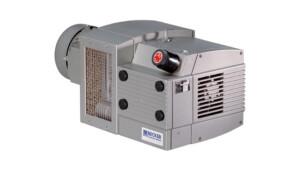 KVT 3.60Pumping speed 55 m³/h 50 Hz66 m³/h 60 HzUltimate pressure 100 mbarRated motor power 2.2 kW 50 Hz2.6 kW 60 HzVariants 6
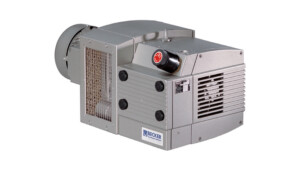 KVT 3.80Pumping speed 67 m³/h 50 Hz78.5 m³/h 60 HzUltimate pressure 100 mbarRated motor power 2.2 kW 50 Hz2.6 kW 60 HzVariants 6
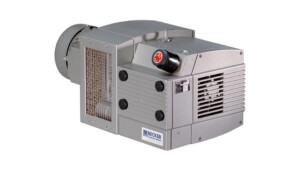 KVT 3.100Pumping speed 98 m³/h 50 Hz112 m³/h 60 HzUltimate pressure 100 mbarRated motor power 3 kW 50 Hz3.6 kW 60 HzVariants 8
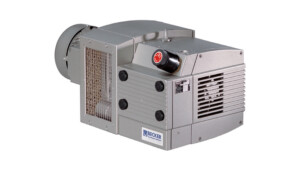 KVT 3.140Pumping speed 129 m³/h 50 Hz154 m³/h 60 HzUltimate pressure 100 mbarRated motor power 4 kW 50 Hz4.5 – 4.8 kW 60 HzVariants 7
Becker KVX series 4 models
KVX 3.60Pumping speed 55 m³/h 50 Hz66 m³/h 60 HzUltimate pressure 100 mbarRated motor power 2.2 kW 50 Hz2.6 kW 60 HzVariants 6KVX 3.80Pumping speed 67 m³/h 50 Hz78.5 m³/h 60 HzUltimate pressure 100 mbarRated motor power 2.2 kW 50 Hz2.6 kW 60 HzVariants 6KVX 3.100Pumping speed 98 m³/h 50 Hz112 m³/h 60 HzUltimate pressure 100 mbarRated motor power 3 kW 50 Hz3.6 kW 60 HzVariants 8KVX 3.140Pumping speed 129 m³/h 50 Hz154 m³/h 60 HzUltimate pressure 100 mbarRated motor power 4 kW 50 Hz4.5 – 4.8 kW 60 HzVariants 7Becker O series 6 models
Becker RBP series 3 models
Becker SV series 16 models
Becker T series 6 models
Becker U4 series 6 models
Becker U series 8 models
Becker VADS series 3 models
Becker VARIAIR RV series 1 model
Becker VASF series 6 models
Becker VATP series 1 model
Becker VTLF series 6 models
Becker VT series 7 models
Becker VXLF series 5 models
Becker VX series 4 models
Edwards E2M series 9 models
Edwards E2S series 3 models
Edwards EDS series 3 models
Edwards EOSi series 10 models
Edwards EXS series 11 models
Edwards GV series 2 models
Edwards GXS series 10 models
Edwards LR1A series 12 models
Edwards LR1C series 9 models
Edwards LR1D series 12 models
Edwards nXRi series 5 models
Edwards XDS series 2 models
Elmo Rietschle C-KLR series 2 models
Elmo Rietschle C-VLR series 7 models
Elmo Rietschle C-VLU series 4 models
Elmo Rietschle G-BH1 series 25 models
Elmo Rietschle G-BH2 series 9 models
Elmo Rietschle G-BH7 series 15 models
Elmo Rietschle G-BH9 series 1 model
Elmo Rietschle G-BH100 series 1 model
Elmo Rietschle L-BL2 series 7 models
Elmo Rietschle L-BV2 series 4 models
Elmo Rietschle L-BV3 series 1 model
Elmo Rietschle L-BV5 series 5 models
Elmo Rietschle L-BV7 series 4 models
Elmo Rietschle S-SVT series 11 models
Elmo Rietschle S-VSI series 1 model
Elmo Rietschle V-KTR series 4 models
Elmo Rietschle V-VCA/VCE series 2 models
Elmo Rietschle V-VCB series 2 models
Elmo Rietschle V-VCS series 13 models
Elmo Rietschle V-VCX series 7 models
Elmo Rietschle V-VGD series 2 models
Elmo Rietschle V-VTN series 3 models
Elmo Rietschle V-VTR series 2 models
Leybold CLAWVAC series 5 models
Leybold DRYVAC series 9 models
Leybold DURADRY series 3 models
Leybold ECODRY series 5 models
Leybold NOVADRY series 4 models
Leybold RUVAC WA/WAU series 8 models
Leybold RUVAC WH/WHU series 7 models
Leybold RUVAC WS/WSU series 8 models
Leybold SCREWLINE series 2 models
Leybold SOGEVAC series 23 models
Leybold TRIVAC series 20 models
No model matches these filters.
Becker BCV series 7 models
Becker DVT series 4 models
Becker KVT series 4 models
Becker KVX series 4 models
Becker O series 6 models
Becker RBP series 3 models
Becker SV series 16 models
Becker T series 6 models
Becker U4 series 6 models
Becker U series 8 models
Becker VADS series 3 models
Becker VARIAIR RV series 1 model
Becker VASF series 6 models
Becker VATP series 1 model
Becker VTLF series 6 models
Becker VT series 7 models
Becker VXLF series 5 models
Becker VX series 4 models
Edwards E2M series 9 models
Edwards E2S series 3 models
Edwards EDS series 3 models
Edwards EOSi series 10 models
Edwards EXS series 11 models
Edwards GV series 2 models
Edwards GXS series 10 models
Edwards LR1A series 12 models
Edwards LR1C series 9 models
Edwards LR1D series 12 models
Edwards nXRi series 5 models
Edwards XDS series 2 models
Elmo Rietschle C-KLR series 2 models
Elmo Rietschle C-VLR series 7 models
Elmo Rietschle C-VLU series 4 models
Elmo Rietschle G-BH1 series 25 models
Elmo Rietschle G-BH2 series 9 models
Elmo Rietschle G-BH7 series 15 models
Elmo Rietschle G-BH9 series 1 model
Elmo Rietschle G-BH100 series 1 model
Elmo Rietschle L-BL2 series 7 models
Elmo Rietschle L-BV2 series 4 models
Elmo Rietschle L-BV3 series 1 model
Elmo Rietschle L-BV5 series 5 models
Elmo Rietschle L-BV7 series 4 models
Elmo Rietschle S-SVT series 11 models
Elmo Rietschle S-VSI series 1 model
Elmo Rietschle V-KTR series 4 models
Elmo Rietschle V-VCA/VCE series 2 models
Elmo Rietschle V-VCB series 2 models
Elmo Rietschle V-VCS series 13 models
Elmo Rietschle V-VCX series 7 models
Elmo Rietschle V-VGD series 2 models
Elmo Rietschle V-VTN series 3 models
Elmo Rietschle V-VTR series 2 models
Leybold CLAWVAC series 5 models
Leybold DRYVAC series 9 models
Leybold DURADRY series 3 models
Leybold ECODRY series 5 models
Leybold NOVADRY series 4 models
Leybold RUVAC WA/WAU series 8 models
Leybold RUVAC WH/WHU series 7 models
Leybold RUVAC WS/WSU series 8 models
Leybold SCREWLINE series 2 models
Leybold SOGEVAC series 23 models
Leybold TRIVAC series 20 models
Models a manufacturer no longer carries in its current range are listed in its “Outdated models” section.
Selection
Mechanical engineering and manufacturing: choosing a vacuum pump
What the manufacturers highlight for use in this industry.
Dust, chips, liquid
What is drawn in determines the protection: when gas, liquid and solids are extracted, according to Becker a separator protects the pump; in vacuum conveying, according to Leybold, a separator stops the product before the pump. Against dust, Becker names oil-free pumps with a large filter area (VTLF/VXLF, BCV); for residues in container cleaning, Elmo Rietschle names L liquid ring pumps.
Which ultimate pressure
Lifting and holding need little vacuum: Becker names SV with −290 to −440 mbar and BCV with 50 to 150 mbar, and clamping tables with 100 to 350 mbar. According to Leybold, vacuum conveying often runs above 200 mbar. Drying needs a deeper vacuum – Leybold names screw pumps down to below 0.1 mbar; for cryogenic vessels, Leybold names 0.05 mbar with perlite and 0.001 mbar with multilayer insulation.
Oil-free or oil-lubricated
For mechanical engineering, Becker names dry-running (DT) and oil-lubricated (DÖ) rotary vane pumps, claw pumps, and side channel and radial blowers; for dust and for the conveying of powdery materials, explicitly oil-free pumps (VTLF/VXLF, BCV, VADS). Leybold names the oil-lubricated SOGEVAC alongside the dry CLAWVAC, DRYVAC and SCREWLINE, Edwards dry screw pumps, chemical dry pumps and boosters alongside the LR liquid ring pumps.
Gas-tight and speed-controlled
Where protective and noble gases circulate in a closed loop, Becker names gas-tight SV and VASF blowers with a leak rate below 1×10⁻⁵ mbar·l/s, and for SV and BCV also the VARIAIR versions. For networks with several machines, Leybold names speed-controlled pumps (NOVADRY NDi, CLAWVAC CPi, VACUBE).
Frequently asked questions
Mechanical engineering and manufacturing: frequently asked questions about vacuum pumps
Which vacuum pump is suitable for mechanical engineering?
For general mechanical engineering, Becker names vacuum and compressed air for conveying, clamping, lifting, handling, drying and cooling with rotary vane pumps (VT/VX, KVT/KVX, VTLF/VXLF, O, U), claw pumps (BCV), side channel blowers (SV/VASF) and radial blowers. Leybold names rough vacuum for degassing, drying, holding and transport with SOGEVAC, CLAWVAC, DRYVAC and SCREWLINE. Elmo Rietschle names its L, V, C, S and G series for the cleaning, drying and handling of parts, Edwards the LR liquid ring pumps and dry screw pumps for manufacturing processes at low pressure.
Which vacuum pump for clamping sheet metal, glass and plastic panels?
Becker names the clamping of panel material made of glass, plastic and sheet metal and, for vacuum clamping, lists the rotary vane pumps VT/VX, KVT/KVX, VTLF/VXLF, O and U, the VADS screw vacuum pumps, the SV/VASF side channel blowers as well as VARIAIR RV and VATP. On CNC milling machines, Becker names KVT/KVX with 67–145 m³/h at 100 mbar, VTLF/VXLF with 280–570 m³/h at 200–350 mbar and BCV with 275–600 m³/h at 150–200 mbar. Leybold names NOVADRY and CLAWVAC for vacuum clamping and vacuum holding.
How much vacuum does a tube lifter or vacuum lifter need?
For tube and column lifters, Becker names SV side channel blowers with 195–1,250 m³/h and −290 to −440 mbar, for robotic pick & place BCV claw vacuum pumps: the BCV 100 reaches 50 mbar, the BCV 300 150 mbar. For vacuum lifters, Leybold names SOGEVAC, NOVADRY NDi and CLAWVAC CPi.
Which vacuum pump for chips, dust and liquids?
For dust-intensive applications, Becker names oil-free pumps with a large filter area: VTLF/VXLF with 244–570 m³/h at 200–250 mbar and BCV with 275–600 m³/h at 150–200 mbar; when mixtures of gas, liquid and solids are extracted, a separator protects the pump. Becker names extraction as an application for industrial vacuum cleaners and solder fume extraction, and the BCV claw vacuum pumps for chips.
Which vacuum pump for pneumatic conveying and pneumatic tube systems?
Becker names pneumatic tube systems and granulate conveying under pneumatic conveying: a pressure difference in the pipeline moves powder, granulate, semi-finished and finished goods; for fine, powdery materials, Becker names the oil-free VADS. For vacuum conveying, Leybold names CLAWVAC (CPi) and SOGEVAC at a working pressure that is often above 200 mbar, and a separator before the pump.
How much vacuum does vacuum drying need?
That depends on the material: for powders, spices and fruit, Becker names evaporation from 20–40 °C with VADS and U/U4 with RBP. Leybold names drying at low temperature with SOGEVAC, TRIVAC, CLAWVAC, DRYVAC and SCREWLINE and, for low pressures, screw pumps down to below 0.1 mbar – with less energy and in a shorter time.
Oil-free or oil-lubricated in mechanical engineering?
Becker names both: dry-running rotary vane pumps (VT/VX, KVT/KVX, VTLF/VXLF) and oil-lubricated ones (O, U, U4), plus claw pumps (BCV) and side channel blowers (SV/VASF); for dust and powder conveying, explicitly oil-free pumps. Leybold names the oil-lubricated SOGEVAC alongside the dry CLAWVAC, DRYVAC and SCREWLINE, Edwards dry screw pumps and LR liquid ring pumps, Elmo Rietschle liquid ring, rotary vane, claw, screw and side channel series.
Which vacuum pump for parts cleaning?
For parts cleaning, Elmo Rietschle names vacuum de-oiling (contaminants evaporate on heating in the chamber), flood injection washing under vacuum (pressurised liquid cleans cavities and undercuts) and vacuum drying (residual water in channels and blind holes evaporates) with its L, V, C, S and G series; for container cleaning, L liquid ring pumps.
Which vacuum pump for metal 3D printing and laser systems?
For metal 3D printing, Becker names the evacuation of the build chamber before inert gas filling and gas-tight SV and VASF blowers (leak rate below 1×10⁻⁵ mbar·l/s) that circulate, cool and filter the protective gas and convey metal powder under inert gas. For the laser industry, Becker names gas-tight, cleanroom-assembled blowers for noble gases such as helium and protective gases, as well as the evacuation and gas circulation of the CO₂ laser process circuit.
Which vacuum pump for degassing pastes and liquids?
Becker describes degassing as the removal of gas inclusions from pastes and liquids under vacuum and names ceramic masses as an example; VT/VX, KVT/KVX, VTLF/VXLF, O, U/U4, VADS, BCV and RBP are named, and U/U4 with RBP for high gas loads. Leybold names degassing under rough vacuum with SOGEVAC, CLAWVAC, DRYVAC and SCREWLINE.
A pump at each machine or a central vacuum system?
A central system in a room of its own keeps noise and heat away from production and matches its output to the demand. Central vacuum systems are planned and built by Eugen Theis Vakuum, a company of the Ehrler & Beck group – more under Central Vacuum.
Does Ehrler & Beck also supply spare parts and service?
Yes. Ehrler & Beck offers original spare parts and accessories as well as maintenance and repair.
Which pump suits your process?
Tell us the application, the medium and the number of machines – we advise you on selection, spare parts and service.
