

Industry
Vacuum pumps for metallurgy
Vacuum in heat treatment and in secondary and special metallurgy improves metal properties and prevents oxidation (Leybold): in melting, casting and heat treatment (Busch), in steel degassing (Edwards) and in brazing, sintering and coating. For vacuum metallurgy, Atlas Copco names ZRS and GLS, Elmo Rietschle the S-VSI screw vacuum pumps. Below you can see which series the manufacturers themselves name for these tasks – 449 models from 6 manufacturers.
Compare 449 modelsSee the applications
- 449Models
- 36Series
- 6Manufacturers
- 8Applications
In short
Metallurgy and heat treatment: vacuum pumps – the key facts
- Steel degassingFor vacuum degassing in the ladle (VD), Leybold names 1.33 to 0.67 mbar and for vacuum oxygen decarburisation (VOD) 50 to 200 mbar, with DRYVAC DV 1200 to 1600 and RUVAC WH 7000 instead of steam ejectors. Edwards names up to 97 % lower energy costs compared with ejectors.
- Heat treatmentFor vacuum furnaces, Busch names a hot zone of usually 1,200 °C, and above 2,000 °C in special processes. Pfeiffer Vacuum states about 10⁻³ hPa at 800 to 1,000 °C for hardening, 10 to 10⁻³ hPa at 150 to 650 °C for tempering and 1 to 10⁻² hPa at 900 to 1,050 °C for low-pressure carburising.
- Special metallurgyFor melting, refining, decarburising and alloying steels and special metals in vacuum, Leybold names DRYVAC DV with RUVAC WH/WS down to 10⁻⁴ mbar. Edwards names Stokes, GXS and EXS for the remelting and vacuum melting of superalloys.
- Brazing and sinteringFor high-vacuum brazing, Pfeiffer Vacuum names 10⁻⁵ to 10⁻⁶ hPa and for sintering about 10⁻⁴ hPa. Leybold points out that flux vapours attack oil during brazing and names the dry pumps VARODRY and DRYVAC for this.
Applications
Metallurgy and heat treatment: what vacuum pumps are used for
For each application: what the vacuum does and which series the manufacturers name for it. The information comes from the manufacturers’ own pages.
Heat treatment and vacuum furnaces
The air-free furnace atmosphere prevents oxidation (Leybold, Edwards, Pfeiffer Vacuum); Busch names a hot zone of usually 1,200 °C, and above 2,000 °C for special processes. Leybold names vacuum hardening with rapid quenching, vacuum tempering and plasma nitriding with a high gas load around the clock; Pfeiffer Vacuum assigns hardening to about 10⁻³ hPa, tempering to 10 to 10⁻³ hPa, low-pressure carburising to 1 to 10⁻² hPa and plasma nitriding to about 10⁻² to 10⁻³ hPa.
- BuschCOBRA Industry, PANDA/PUMA, R5 also names MINK
- LeyboldDRYVAC, RUVAC WH/WHU also names SOGEVAC, TRIVAC, VARODRY and SCREWLINE
- Pfeiffer VacuumHiScroll, HiLobe, ACP, DuoVane also names A4, COBRA BC/DS and TORRI for annealing
- EdwardsEXS, Stokes also names EH, GV, E2S and nXRi
Steel degassing (VD, VOD, RH)
Vacuum removes carbon, hydrogen, oxygen and nitrogen from the liquid steel (Leybold); in VOD, oxygen is added to the melt and CO and CO2 are pumped off, in the RH process the steel circulates through the degassing chamber. Leybold names 1.33 to 0.67 mbar for VD and 50 to 200 mbar for VOD with mechanical pumping systems instead of steam ejectors; Edwards names up to 97 % lower energy costs compared with ejectors.
- LeyboldDRYVAC, RUVAC WH/WHU
- EdwardsGXS, EXS also names IDX, EH and GMB
- BuschCOBRA Industry, PANDA/PUMA also names DOLPHIN
- Pfeiffer VacuumHiLobe
Vacuum melting and remelting
In vacuum induction melting (VIM), the melt is stirred by induction and refined in vacuum; in vacuum arc remelting (VAR), ingots are remelted in vacuum (Leybold). Edwards names the homogenisation of the microstructure in superalloys and powder metallurgy with atomisation, MIM and investment casting, Busch also electroslag remelting, plasma arc melting and precision investment casting.
- BuschCOBRA Industry, PANDA/PUMA
- EdwardsStokes, GXS, EXS also names PXH
- LeyboldDRYVAC, RUVAC WH/WHU names VIM and VAR without a series, for special metallurgy DRYVAC DV with RUVAC WH/WS down to 10⁻⁴ mbar
Vacuum brazing
When joining with filler metal, the vacuum excludes oxygen (Edwards); for high-vacuum brazing, Pfeiffer Vacuum names 10⁻⁵ to 10⁻⁶ hPa for degassing, wetting and void-free brazed joints. Leybold points out that flux vapours attack oil and names the dry VARODRY and DRYVAC.
- BuschCOBRA Industry, PANDA/PUMA, R5
- EdwardsEDS, EXS
- LeyboldDRYVAC also names VARODRY
- Pfeiffer VacuumDuoVane, HiLobe
Sintering and debinding
Powder parts are compacted below the melting point (Leybold); beforehand the binder is removed and extracted, and the vacuum prevents oxidation (Edwards, Pfeiffer Vacuum). Pfeiffer Vacuum names about 10⁻⁴ hPa, Leybold DRYVAC with RUVAC WH/WSU and SCREWLINE.
- BuschCOBRA Industry, PANDA/PUMA, R5
- EdwardsEXS
- LeyboldDRYVAC, RUVAC WH/WHU also names SCREWLINE
- Pfeiffer VacuumDuoVane, HiLobe also names the BA 501
Vacuum die casting
Before the shot, gases are removed from the mould so that aluminium and magnesium parts become denser (Busch). Busch names COBRA, MINK, PANDA and R5 for this, Pfeiffer Vacuum COMBI and HiLobe; Leybold lists vacuum casting with SCREWLINE.
- BuschR5, COBRA Industry, PANDA/PUMA also names MINK
- Pfeiffer VacuumHiLobe also names COMBI
- LeyboldSCREWLINE names vacuum casting with SCREWLINE, which is not listed here
Vacuum welding
Welding in vacuum produces pore-free welds (Busch). Busch names COBRA, PANDA and R5 for this, Pfeiffer Vacuum COMBI, DuoVane, HiLobe and HiScroll, Edwards the EXS for electron beam and plasma welding.
- BuschR5, COBRA Industry, PANDA/PUMA
- Pfeiffer VacuumDuoVane, HiScroll, HiLobe
- EdwardsEXS
Coating tools and 3D printing
Surfaces are coated in a clean vacuum chamber (Busch): Pfeiffer Vacuum names hard coatings such as TiN and DLC on stamping and die-casting tools and decorative PVD colour coatings such as TiN and ZrN. In electron beam melting in 3D printing, the vacuum prevents oxidation and guides the beam; Pfeiffer Vacuum names about 5×10⁻⁵ hPa, Busch stable vacuum conditions for additive manufacturing.
- BuschCOBRA Industry, PANDA/PUMA, R5 also names MINK and COBRA DS
- Pfeiffer VacuumACP, DuoVane, HiLobe, HiScroll also names A4 and TORRI
Manufacturers and series
Metallurgy and heat treatment: 6 manufacturers, 36 series
Listed are the series the manufacturer itself names for this industry. “Show only …” sets the filter of the product overview.
Atlas Copco
7 models · 234–4,140 m³/h
Busch
244 models · 3–16,160 m³/h
Edwards
46 models · 30–44,300 m³/h
Elmo Rietschle
12 models · 300–5,740 m³/h
Leybold
86 models · 2.7–4,700 m³/h
Pfeiffer Vacuum
54 models · 1.25–13,540 m³/h
Product overview
Metallurgy and heat treatment: all 449 models compared
Use the filters on the left to narrow the selection – by manufacturer, technology and the models’ key figures, for 50 or 60 Hz.
Atlas Copco GLS series 2 models
Atlas Copco ZRS series 5 models
Busch COBRA Industry series 36 models
 COBRA NS 0070 CPumping speed 70 m³/h 50 Hz85 m³/h 60 HzUltimate pressure 0.03 mbarRated motor power 4 kW 50 Hz4.4 kW 60 HzVariants
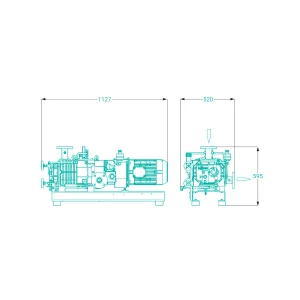 COBRA NC 0100 BPumping speed 110 m³/h 50 Hz130 m³/h 60 HzUltimate pressure 0.05 mbarRated motor power 3.5 kW 50 Hz4.8 kW 60 HzVariants 4
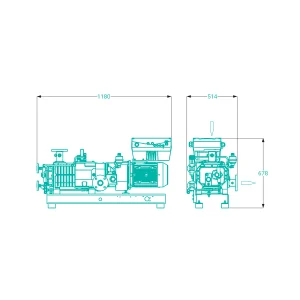 COBRA NC 0100 B ECOTORQUEPumping speed 130 m³/h 50 Hz130 m³/h 60 HzUltimate pressure 0.05 mbarRated motor power 4.8 kW 50 Hz4.8 kW 60 HzVariants
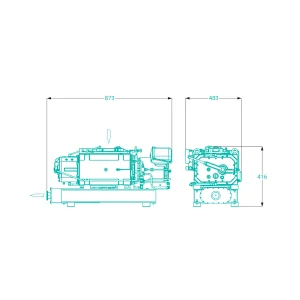 COBRA NS 0160 CPumping speed 135 m³/h 50 Hz170 m³/h 60 HzUltimate pressure 0.03 mbarRated motor power 5.5 kW 50 Hz6.6 kW 60 HzVariants
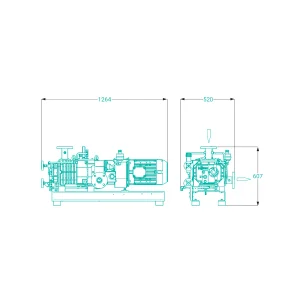 COBRA NC 0200 BPumping speed 220 m³/h 50 Hz265 m³/h 60 HzUltimate pressure 0.05 mbarRated motor power 6 kW 50 Hz7.6 kW 60 HzVariants 4
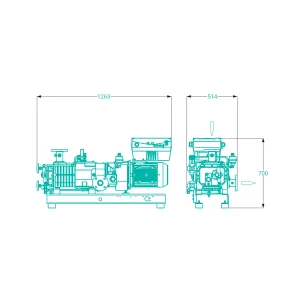 COBRA NC 0200 B ECOTORQUEPumping speed 265 m³/h 50 Hz265 m³/h 60 HzUltimate pressure 0.05 mbarRated motor power 7.6 kW 50 Hz7.6 kW 60 HzVariants
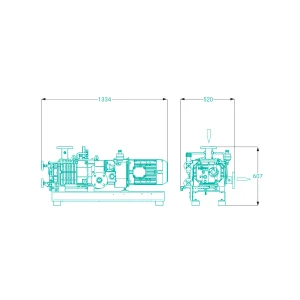 COBRA NC 0300 BPumping speed 320 m³/h 50 Hz385 m³/h 60 HzUltimate pressure 0.05 mbarRated motor power 7.5 kW 50 Hz9.5 kW 60 HzVariants 4
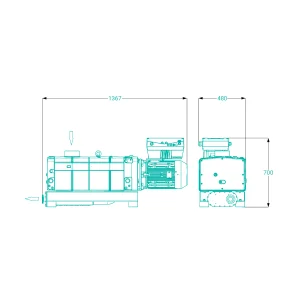 COBRA NC 0400 BPumping speed 350 m³/h 50 Hz420 m³/h 60 HzUltimate pressure 0.05 mbarRated motor power 7.5 kW 50 Hz9.5 kW 60 HzVariants
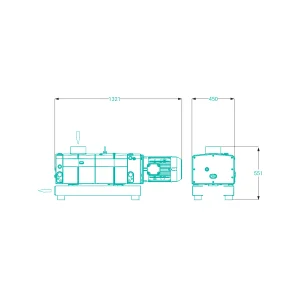 COBRA NX 0450 APumping speed 350 m³/h 50 Hz420 m³/h 60 HzUltimate pressure 0.1 mbarRated motor power 7.5 kW 50 Hz9.5 kW 60 HzVariants
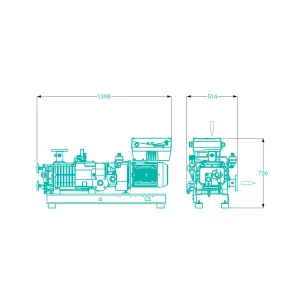 COBRA NC 0300 B ECOTORQUEPumping speed 385 m³/h 50 Hz385 m³/h 60 HzUltimate pressure 0.05 mbarRated motor power 9.5 kW 50 Hz9.5 kW 60 HzVariants
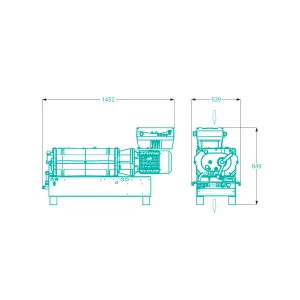 COBRA NC 0400 B ECOTORQUEPumping speed 420 m³/h 50 Hz420 m³/h 60 HzUltimate pressure 0.05 mbarRated motor power 9.5 kW 50 Hz9.5 kW 60 HzVariants
 COBRA NX 0450 A ECOTORQUEPumping speed 420 m³/h 50 Hz420 m³/h 60 HzUltimate pressure 0.1 mbarRated motor power 11 kW 50 Hz11 kW 60 HzVariants
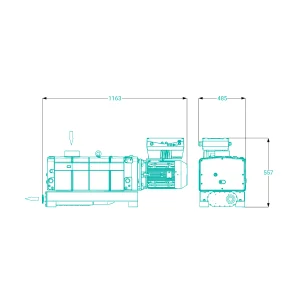 COBRA NC 0500 BPumping speed 490 m³/h 50 Hz490 m³/h 60 HzUltimate pressure 0.01 mbarRated motor power 9 kW 50 Hz9 kW 60 HzVariants
 COBRA NC 0630 C VRPumping speed 580 m³/h 50 Hz680 m³/h 60 HzUltimate pressure 25 mbarRated motor power 22 kW 50 Hz22 kW 60 HzVariants
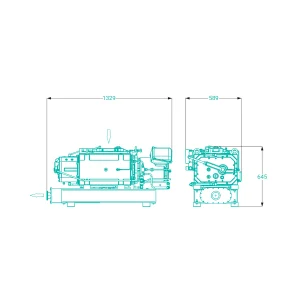 COBRA NS 0600 CPumping speed 600 m³/h 50 Hz600 m³/h 60 HzUltimate pressure 0.01 mbarRated motor power 15 kW 50 Hz15 kW 60 HzVariants
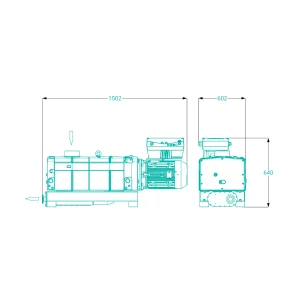 COBRA NC 0630 CPumping speed 630 m³/h 50 Hz630 m³/h 60 HzUltimate pressure 0.01 mbarRated motor power 15 kW 50 Hz17 kW 60 HzVariants
Busch COBRA Semicon series 22 models
Busch DOLPHIN series 70 models
Busch MINK series 32 models
Busch PANDA/PUMA series 26 models
Busch R5 series 58 models
Edwards E2S series 3 models
Edwards EDS series 3 models
Edwards EH series 5 models
Edwards EXS series 11 models
Edwards GMB series 2 models
Edwards GV series 2 models
Edwards GXS series 10 models
Edwards IDX series 1 model
Edwards nXRi series 5 models
Edwards Stokes series 4 models
Elmo Rietschle S-SVT series 11 models
Elmo Rietschle S-VSI series 1 model
Leybold CLAWVAC series 5 models
Leybold DRYVAC series 9 models
Leybold NOVADRY series 4 models
Leybold RUVAC WA/WAU series 8 models
Leybold RUVAC WH/WHU series 7 models
Leybold RUVAC WS/WSU series 8 models
Leybold SCREWLINE series 2 models
Leybold SOGEVAC series 23 models
Leybold TRIVAC series 20 models
Pfeiffer Vacuum A4 series 12 models
Pfeiffer Vacuum ACP series 4 models
Pfeiffer Vacuum DuoVane series 12 models
Pfeiffer Vacuum HiLobe series 17 models
Pfeiffer Vacuum HiScroll series 4 models
Pfeiffer Vacuum TORRI series 4 models
Pfeiffer Vacuum UnoLine Plus series 1 model
No model matches these filters.
Atlas Copco GLS series 2 models
Atlas Copco ZRS series 5 models
Busch COBRA Industry series 36 models
Busch COBRA Semicon series 22 models
Busch DOLPHIN series 70 models
Busch MINK series 32 models
Busch PANDA/PUMA series 26 models
Busch R5 series 58 models
Edwards E2S series 3 models
Edwards EDS series 3 models
Edwards EH series 5 models
Edwards EXS series 11 models
Edwards GMB series 2 models
Edwards GV series 2 models
Edwards GXS series 10 models
Edwards IDX series 1 model
Edwards nXRi series 5 models
Edwards Stokes series 4 models
Elmo Rietschle S-SVT series 11 models
Elmo Rietschle S-VSI series 1 model
Leybold CLAWVAC series 5 models
Leybold DRYVAC series 9 models
Leybold NOVADRY series 4 models
Leybold RUVAC WA/WAU series 8 models
Leybold RUVAC WH/WHU series 7 models
Leybold RUVAC WS/WSU series 8 models
Leybold SCREWLINE series 2 models
Leybold SOGEVAC series 23 models
Leybold TRIVAC series 20 models
Pfeiffer Vacuum A4 series 12 models
Pfeiffer Vacuum ACP series 4 models
Pfeiffer Vacuum DuoVane series 12 models
Pfeiffer Vacuum HiLobe series 17 models
Pfeiffer Vacuum HiScroll series 4 models
Pfeiffer Vacuum TORRI series 4 models
Pfeiffer Vacuum UnoLine Plus series 1 model
Models a manufacturer no longer carries in its current range are listed in its “Outdated models” section.
Selection
Metallurgy and heat treatment: choosing a vacuum pump
What the manufacturers highlight for use in this industry.
Flux, binders and by-products
In brazing, flux vapours attack oil; in vacuum carburising, carbon-containing by-products condense easily (Leybold); in sintering, the binder is extracted (Edwards, Pfeiffer Vacuum). Leybold names the dry DRYVAC and VARODRY series for this, and DRYVAC with RUVAC and SCREWLINE for carburising.
Pressure range
Pfeiffer Vacuum arranges the processes by pressure: normalising 10⁻¹ to 10⁻² hPa, hardening about 10⁻³ hPa, sintering about 10⁻⁴ hPa, brazing 10⁻⁵ to 10⁻⁶ hPa. Leybold names 1.33 to 0.67 mbar (VD) and 50 to 200 mbar (VOD) for steel degassing, and down to 10⁻⁴ mbar for special metallurgy.
Gas load and continuous operation
For plasma nitriding, Leybold names a high gas load around the clock with DRYVAC and SOGEVAC. For steel degassing, Edwards names GXS, IDX, EH, GMB and EXS and up to 97 % lower energy costs compared with ejectors, Leybold mechanical pumping systems instead of steam ejectors.
Frequently asked questions
Metallurgy and heat treatment: frequently asked questions about vacuum pumps
Which vacuum pump is suitable for vacuum furnaces and heat treatment?
Busch names COBRA, PANDA, PUMA and R5, Leybold SOGEVAC, TRIVAC, RUVAC, VARODRY, DRYVAC and SCREWLINE, Pfeiffer Vacuum HiScroll and HiLobe, Edwards rotary vane and dry screw pumps as well as EH, Stokes, GV and E2S.
How much vacuum does vacuum hardening need?
For hardening, Pfeiffer Vacuum names about 10⁻³ hPa at 800 to 1,000 °C, for tempering 10 to 10⁻³ hPa at 150 to 650 °C and for normalising 10⁻¹ to 10⁻² hPa. Leybold describes vacuum hardening as heating with rapid quenching, with DRYVAC and SOGEVAC.
Which vacuum pump for vacuum brazing?
Busch names COBRA, PANDA and R5, Edwards EDS and EXS, Pfeiffer Vacuum DuoVane and HiLobe. Leybold names VARODRY and DRYVAC because flux vapours attack oil.
Why is brazing done in a vacuum?
The vacuum excludes oxygen during joining (Edwards). At 10⁻⁵ to 10⁻⁶ hPa, Pfeiffer Vacuum names degassing, wetting and void-free brazed joints.
Which vacuum pump for steel degassing?
Leybold names DRYVAC DV 1200 to 1600 with RUVAC WH 7000 as a mechanical pumping system instead of steam ejectors, Edwards GXS, IDX, EH, GMB and EXS, Busch COBRA, DOLPHIN and PANDA, Pfeiffer Vacuum the HiLobe.
How much vacuum does steel degassing need?
For vacuum degassing in the ladle (VD), Leybold names 1.33 to 0.67 mbar and for vacuum oxygen decarburisation (VOD) 50 to 200 mbar. Edwards names the removal of H2 and N2 from the melt and decarburisation with oxygen.
Which vacuum pump for vacuum sintering?
Busch names COBRA, PANDA and R5, Edwards the EXS, Leybold DRYVAC with RUVAC WH/WSU and SCREWLINE, Pfeiffer Vacuum DuoVane and HiLobe at about 10⁻⁴ hPa.
Which vacuum pump for vacuum die casting?
Busch names COBRA, MINK, PANDA and R5 for removing the gases from the mould for aluminium and magnesium, Pfeiffer Vacuum COMBI and HiLobe, Leybold the SCREWLINE.
Which vacuum pump for electron beam welding?
Busch names COBRA, PANDA and R5 for pore-free welds, Pfeiffer Vacuum COMBI, DuoVane, HiLobe and HiScroll, Edwards the EXS.
Which vacuum pump for PVD coating of tools?
Busch names COBRA, PANDA, PUMA and R5 for wear-protection and decorative coatings, Pfeiffer Vacuum ACP, DuoVane, HiLobe and HiScroll for hard coatings such as TiN and DLC on tools and for decorative coatings such as TiN and ZrN.
Does Ehrler & Beck also supply spare parts and service?
Yes. Ehrler & Beck offers original spare parts and accessories as well as maintenance and repair.
Which pump suits your process?
Tell us the application, the medium and the number of machines – we advise you on selection, spare parts and service.
