

Industry
Vacuum pumps for the energy sector
Vacuum is used at many points in energy technology: in the manufacture of battery cells, fuel cells and rotor blades, in the drying of transformers and cables, at the condenser of a power plant and in the upgrading of biogas. Pfeiffer Vacuum also lists solar, wind and nuclear fusion, and storage such as Li-ion batteries, flywheels and hydrogen. Below you can see which series the manufacturers themselves name for these tasks – 590 models from 6 manufacturers.
Compare 590 modelsSee the applications
- 590Models
- 57Series
- 6Manufacturers
- 8Applications

In short
Energy: vacuum pumps – the key facts
- Fields of applicationFor energy, Pfeiffer Vacuum names solar, wind and nuclear fusion, the drying of transformers and cables, and storage for Li-ion, flywheels and hydrogen; Busch names rotor blades, geothermal energy, biogas, flywheels, hydrogen, batteries and CO₂.
- Storage and cellsLeybold describes how batteries, flywheels, hydrogen cells and e-mobility go through vacuum-assisted manufacturing steps; Becker names vacuum and air in battery manufacturing and in stationary fuel cells.
- Continuous operationFor pick & place, Becker documents a case study with 20,000 maintenance-free operating hours; according to Becker, its SV series side channel blowers deliver 195–1,250 m³/h at −290 to −440 mbar.
- CondenserFor power plant condensers, Edwards names the LR series to remove air in-leakage and maintain efficiency; Busch names DOLPHIN for non-condensable gases from geothermal condensers.
Applications
Energy: what vacuum pumps are used for
For each application: what the vacuum does and which series the manufacturers name for it. The information comes from the manufacturers’ own pages.
Battery manufacturing and energy storage
Becker names vacuum and air in battery manufacturing and lists the evacuation of batteries during filling, electrolyte degassing in Li-ion cells and the handling of electrode sheets, without describing these steps in more detail. Leybold describes how batteries, flywheels, hydrogen cells and e-mobility go through vacuum-assisted manufacturing steps. For flywheel storage for grid stabilisation, Busch names the COBRA NX 0650 A, because the flywheels run under vacuum. The individual steps of cell manufacturing are on the Battery manufacturing page.
- BeckerVT, VX, KVT, KVX, VTLF, VXLF, O, U, U4, SV, VASF
- BuschCOBRA Industry, DOLPHIN, MINK names DOLPHIN, COBRA and MINK for renewable energy as a whole, and the COBRA NX 0650 A for flywheels
- Leybolddescribes the manufacturing steps without a series
- Pfeiffer Vacuumnames storage (Li-ion, flywheel, hydrogen) without a series
Solar and photovoltaics
In the lamination of solar modules, the layers are bonded into one module; Busch names COBRA (DS, NC, NX), PANDA WV and MINK MM for this. Elmo Rietschle names vacuum in the laminating cycle of solar module lamination; Pfeiffer Vacuum lists solar among its energy topics. Crystal growing, coating and load locks are on the Solar and photovoltaics page.
- BuschCOBRA Industry, PANDA/PUMA, MINK
- Elmo Rietschlenames solar module lamination without a series
- Pfeiffer Vacuumnames solar without a series
Hydrogen and fuel cells
For hydrogen and fuel cells, Busch names the MINK MH 0018 A, and Elmo Rietschle names vacuum and low pressure for fuel cells. Becker lists atmospheric oxygen for the fuel cell cathode and air for the reformer burner of stationary fuel cells as blast-air applications, without describing them. Leybold names hydrogen cells among the vacuum-assisted manufacturing steps, Pfeiffer Vacuum names hydrogen as storage. Recirculation, leak testing and insulation vacuum are on the Hydrogen and fuel cells page.
- BuschMINK
- Elmo RietschleV-VGD, V-VTN, V-VCB, V-VCA/VCE, V-VCS, V-VCX, V-KTR, V-VTR, S-VSI, S-SVT, G-BH1, G-BH2, G-BH7, G-BH9, G-BH100, L-BL2, L-BV2, L-BV3, L-BV5, L-BV7 names V, G, L and S for sustainable energy as a whole
- BeckerSV, VASF names vacuum and air for fuel cells; the air applications only as a list
- Leyboldnames hydrogen cells without a series
- Pfeiffer Vacuumnames hydrogen as storage without a series
Condenser air extraction in power plants
At the condenser, the vacuum pump removes air and non-condensable gases. Edwards names the LR series for this: removing air in-leakage and so maintaining efficiency; the same page also names flue gas desulphurisation and fly ash. Busch names COBRA and DOLPHIN for condenser air extraction, and DOLPHIN for geothermal energy, to remove non-condensable gases from the condenser. More on the Power generation page.
- BuschDOLPHIN, COBRA Industry
- EdwardsLR1A, LR1C, LR1D
Rotor blades and composites
In rotor blade manufacturing by vacuum bagging, the resin is drawn through the fibre layers under a film, according to Busch; Busch names MINK and R5 for this, likewise for resin transfer moulding (RTM), and additionally COBRA for moulding, pressing and laminating. Edwards describes resin infusion for rotor blades – the resin is drawn into the fibres – and names wet and dry pump carts for it. Elmo Rietschle names laminating and veneering with even contact pressure.
- BuschR5, MINK, COBRA Industry
- Edwardsnames wet and dry pump carts, no series
- Elmo Rietschlenames the application without a series
Biogas, landfill and digester gas
In anaerobic digestion, according to Busch, the biogas is recirculated in the digester; a compressor passes the gas through the sludge, and DOLPHIN, MINK, SAMOS and SECO are named. For upgrading by pressure swing adsorption Busch names COBRA and R5, for membrane processes MINK. For biogas and landfill gas, Elmo Rietschle names mixing, collecting and compressing – that is, compressors, not vacuum pumps.
- BuschR5, COBRA Industry, MINK, DOLPHIN
- Elmo Rietschlenames compressors for digesters and landfill gas
Transformers, cables and insulating oil
According to Edwards, transformers and cables are cast, dried and impregnated under vacuum; Edwards names the Stokes series for this, and the EH series for drying and degassing the oil. Pfeiffer Vacuum lists the drying of transformers and cables among its energy topics.
Leak detection and leak testing
Pfeiffer Vacuum describes helium leak detection by spraying: helium is applied from outside, and a leak detector on the system locates the leak – at about 10⁻⁷ to 10⁻⁹ mbar·l/s; this is leak location, not leak rate measurement. For leak detection Pfeiffer names ACP, DuoVane and HiScroll, and for leak detection and end-of-line testing additionally A 100/200 L and HiLobe.
- Pfeiffer VacuumACP, DuoVane, HiScroll, A 100/200 L, HiLobe
Sub-sectors
Energy in detail
Separate pages for the areas the manufacturers treat on their own.
Battery manufacturing
Vacuum pumps for lithium-ion cells: mixing slurry, drying electrodes, filling electrolyte, degassing, leak testing and recycling – series from the manufacturers.
Power generation
Vacuum pumps for power plants: condenser extraction, geothermal energy, cooling water pump priming, transformer drying and oil purification.
Solar and photovoltaics
Vacuum pumps for solar production: crystal growing, PVD and PECVD coating, load lock chambers and module lamination – series from the manufacturers.
Hydrogen and fuel cells
Vacuum pumps and blowers for hydrogen: H₂ recirculation, leak testing, tanks, insulation vacuum and VPSA drying – series from the manufacturers.
Manufacturers and series
Energy: 6 manufacturers, 57 series
Listed are the series the manufacturer itself names for this industry. “Show only …” sets the filter of the product overview.
Atlas Copco
16 models · 0.75–460 m³/h
Becker
85 models · 1.9–2,000 m³/h
Busch
263 models · 3–16,160 m³/h
Edwards
65 models · 20–44,300 m³/h
Elmo Rietschle
119 models · 10–5,740 m³/h
- V-VGD2
- V-VTN3
- V-VCB2
- V-VCA/VCE2
- G-BH1001
- V-VCS13
- V-VCX7
- V-KTR4
- V-VTR2
- S-VSI1
- S-SVT11
- G-BH125
- G-BH29
- G-BH715
- G-BH91
- L-BL27
- L-BV24
- L-BV31
- L-BV55
- L-BV74
Pfeiffer Vacuum
42 models · 1.25–13,540 m³/h
Leybold names the industry without naming a series for it.
Product overview
Energy: all 590 models compared
Use the filters on the left to narrow the selection – by manufacturer, technology and the models’ key figures, for 50 or 60 Hz.
Atlas Copco DWS series 3 models
Atlas Copco GVD series 13 models
Becker BCV series 7 models
Becker KVT series 4 models
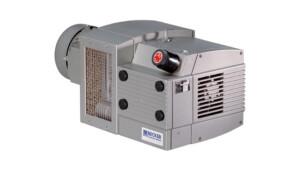
Becker KVX series 4 models
Becker O series 6 models
Becker RBP series 3 models
Becker SV series 16 models
Becker U4 series 6 models
Becker U series 8 models
Becker VADS series 3 models
Becker VASF series 6 models
Becker VTLF series 6 models
Becker VT series 7 models
Becker VXLF series 5 models
Becker VX series 4 models
Busch COBRA Industry series 36 models
Busch DOLPHIN series 70 models
Busch MINK series 32 models
Busch PANDA/PUMA series 26 models
Busch R5 series 58 models
Busch SAMOS series 31 models
Busch SECO series 10 models
Edwards EH series 5 models
Edwards EXS series 11 models
Edwards GMB series 2 models
Edwards GXS series 10 models
Edwards LR1A series 12 models
Edwards LR1C series 9 models
Edwards LR1D series 12 models
Edwards Stokes series 4 models
Elmo Rietschle G-BH1 series 25 models
Elmo Rietschle G-BH2 series 9 models
Elmo Rietschle G-BH7 series 15 models
Elmo Rietschle G-BH9 series 1 model
Elmo Rietschle G-BH100 series 1 model
Elmo Rietschle L-BL2 series 7 models
Elmo Rietschle L-BV2 series 4 models
Elmo Rietschle L-BV3 series 1 model
Elmo Rietschle L-BV5 series 5 models
Elmo Rietschle L-BV7 series 4 models
Elmo Rietschle S-SVT series 11 models
Elmo Rietschle S-VSI series 1 model
Elmo Rietschle V-KTR series 4 models
Elmo Rietschle V-VCA/VCE series 2 models
Elmo Rietschle V-VCB series 2 models
Elmo Rietschle V-VCS series 13 models
Elmo Rietschle V-VCX series 7 models
Elmo Rietschle V-VGD series 2 models
Elmo Rietschle V-VTN series 3 models
Elmo Rietschle V-VTR series 2 models
Pfeiffer Vacuum A 100/200 L series 3 models
Pfeiffer Vacuum ACP series 4 models
Pfeiffer Vacuum DuoVane series 12 models
Pfeiffer Vacuum HiLobe series 17 models
Pfeiffer Vacuum HiScroll series 4 models
Pfeiffer Vacuum SmartVane series 2 models
No model matches these filters.
Atlas Copco DWS series 3 models
Atlas Copco GVD series 13 models
Becker BCV series 7 models
Becker KVT series 4 models
Becker KVX series 4 models
Becker O series 6 models
Becker RBP series 3 models
Becker SV series 16 models
Becker U4 series 6 models
Becker U series 8 models
Becker VADS series 3 models
Becker VASF series 6 models
Becker VTLF series 6 models
Becker VT series 7 models
Becker VXLF series 5 models
Becker VX series 4 models
Busch COBRA Industry series 36 models
Busch DOLPHIN series 70 models
Busch MINK series 32 models
Busch PANDA/PUMA series 26 models
Busch R5 series 58 models
Busch SAMOS series 31 models
Busch SECO series 10 models
Edwards EH series 5 models
Edwards EXS series 11 models
Edwards GMB series 2 models
Edwards GXS series 10 models
Edwards LR1A series 12 models
Edwards LR1C series 9 models
Edwards LR1D series 12 models
Edwards Stokes series 4 models
Elmo Rietschle G-BH1 series 25 models
Elmo Rietschle G-BH2 series 9 models
Elmo Rietschle G-BH7 series 15 models
Elmo Rietschle G-BH9 series 1 model
Elmo Rietschle G-BH100 series 1 model
Elmo Rietschle L-BL2 series 7 models
Elmo Rietschle L-BV2 series 4 models
Elmo Rietschle L-BV3 series 1 model
Elmo Rietschle L-BV5 series 5 models
Elmo Rietschle L-BV7 series 4 models
Elmo Rietschle S-SVT series 11 models
Elmo Rietschle S-VSI series 1 model
Elmo Rietschle V-KTR series 4 models
Elmo Rietschle V-VCA/VCE series 2 models
Elmo Rietschle V-VCB series 2 models
Elmo Rietschle V-VCS series 13 models
Elmo Rietschle V-VCX series 7 models
Elmo Rietschle V-VGD series 2 models
Elmo Rietschle V-VTN series 3 models
Elmo Rietschle V-VTR series 2 models
Pfeiffer Vacuum A 100/200 L series 3 models
Pfeiffer Vacuum ACP series 4 models
Pfeiffer Vacuum DuoVane series 12 models
Pfeiffer Vacuum HiLobe series 17 models
Pfeiffer Vacuum HiScroll series 4 models
Pfeiffer Vacuum SmartVane series 2 models
Models a manufacturer no longer carries in its current range are listed in its “Outdated models” section.
Selection
Energy: choosing a vacuum pump
What the manufacturers highlight for use in this industry.
Vacuum or overpressure?
For biogas, landfill and digester gas, Busch and Elmo Rietschle mainly name compressors that recirculate, collect or compress the gas. Busch names vacuum pumps for upgrading: COBRA and R5 for pressure swing adsorption, MINK for membrane processes. So first clarify whether your process needs vacuum or overpressure.
Non-condensable gases
At the condenser, the issue is air in-leakage and non-condensable gases: Edwards names the LR series for this, with efficiency as the goal, Busch names DOLPHIN for geothermal energy and COBRA or DOLPHIN for condenser air extraction.
Continuous operation
According to Busch, flywheels run under vacuum; the COBRA NX 0650 A is named. For pick & place, Becker documents a case study with 20,000 maintenance-free operating hours – a benchmark when the pump runs around the clock.
Leak tightness
For helium leak detection Pfeiffer Vacuum names about 10⁻⁷ to 10⁻⁹ mbar·l/s; the spray method locates leaks but does not measure a leak rate. For leak detection and end-of-line testing Pfeiffer names A 100/200 L, ACP, DuoVane, HiLobe and HiScroll.
Frequently asked questions
Energy: frequently asked questions about vacuum pumps
Which vacuum pump is suitable for rotor blade manufacturing?
For rotor blade manufacturing by vacuum bagging, Busch names MINK and R5; the resin is drawn through the fibre layers under the film. For resin transfer moulding (RTM), Busch also names MINK and R5. For resin infusion of rotor blades, Edwards names wet and dry pump carts, and Elmo Rietschle names laminating with even contact pressure.
What does a power plant need a vacuum pump for?
Mainly at the condenser. Edwards describes how the vacuum pump removes air in-leakage and so maintains efficiency, and names the LR series for this; the same page names flue gas desulphurisation and fly ash. Busch names COBRA and DOLPHIN for condenser air extraction, and DOLPHIN for geothermal condensers. Priming of the cooling water pumps and transformer drying are on the Power generation page.
Which vacuum pump for biogas upgrading?
For upgrading by pressure swing adsorption Busch names COBRA and R5, for membrane processes MINK. For recirculating the biogas in the digester Busch names DOLPHIN, MINK, SAMOS and SECO; there a compressor passes the gas through the sludge. For biogas and landfill gas, Elmo Rietschle names compressors for mixing, collecting and compressing.
Which vacuum pumps are used in battery manufacturing?
Becker names vacuum and air in battery manufacturing and lists evacuation during filling, electrolyte degassing in Li-ion cells and the handling of electrode sheets. Leybold describes vacuum-assisted manufacturing steps for batteries; Busch lists batteries among renewable energies with DOLPHIN, COBRA and MINK. The Battery manufacturing page shows which series belongs to which manufacturing step.
How are transformers and cables dried under vacuum?
Edwards describes how transformers and cables are cast, dried and impregnated under vacuum, and names the Stokes series for this. For drying and degassing insulating oil, Edwards names the EH series. Pfeiffer Vacuum names the drying of transformers and cables as an energy application.
Why does flywheel storage run under vacuum?
Busch names flywheel storage for grid stabilisation and describes how the flywheels run under vacuum; the COBRA NX 0650 A is named for this. Without air in the housing, there is no air friction on the flywheel mass. Pfeiffer Vacuum and Leybold also list flywheels among energy storage systems.
Which vacuum pump for fuel cells?
For hydrogen and fuel cells Busch names the MINK MH 0018 A. Elmo Rietschle names vacuum and low pressure for fuel cells, and its V, G, L and S series for this. Becker lists atmospheric oxygen for the cathode and air for the reformer burner of stationary fuel cells – these are blast-air tasks. More on the Hydrogen and fuel cells page.
How are leaks found on energy technology installations?
Pfeiffer Vacuum describes helium leak detection by spraying: helium is sprayed on from outside, and the leak detector on the system locates the leak, at about 10⁻⁷ to 10⁻⁹ mbar·l/s. This is leak location, not leak rate measurement. For leak detection Pfeiffer names ACP, DuoVane and HiScroll, and for leak detection and end-of-line testing additionally A 100/200 L and HiLobe.
Which series do the manufacturers name for renewable energy?
For renewable energy Busch names DOLPHIN, the COBRA NX 0650 A and the MINK MH 0018 A, and for green energy generation COBRA, DOLPHIN, MINK, PANDA, PUMA and R5. For green energy generation Pfeiffer Vacuum names A 100/200 L, ACP, DuoVane, HiLobe, HiScroll and SmartVane. Atlas Copco names DWS for renewable energy and GVD for energy technology, Edwards names GXS, EXS, LR and GMB for generation, distribution and storage. For sustainable energy Elmo Rietschle names V, G, L and S.
Which vacuum pump for CO₂ capture?
For CO₂ capture (CCUS) Elmo Rietschle names air flow, pressure control and vacuum regeneration – in direct air capture, post- and pre-combustion and oxyfuel. Busch lists CO₂ among renewable energies with DOLPHIN, COBRA and MINK. The series of all manufacturers for amine scrubbing, pressure swing adsorption, membrane processes and direct air capture are on the industry page Carbon capture (CCUS).
Does Ehrler & Beck also supply spare parts and service?
Yes. Ehrler & Beck offers original spare parts and accessories as well as maintenance and repair.
Which pump suits your process?
Tell us the application, the medium and the number of machines – we advise you on selection, spare parts and service.
