

Industry
Vacuum pumps for coating and thin film
Thin films are produced in a vacuum: in PVD sputtering and evaporation, in CVD, PECVD and ALD and in plasma treatment, the chamber is first evacuated and then held at process pressure – according to Leybold at 10⁻² to 10⁻³ mbar for optical coatings and down to 10⁻⁶ mbar for wear protection and decorative coatings. In glass and display systems the backing pumps also cycle the load locks. Below you can see which series the manufacturers themselves name for these tasks – 368 models from 4 manufacturers.
Compare 368 modelsSee the applications
- 368Models
- 29Series
- 4Manufacturers
- 7Applications
In short
Coating and thin film: vacuum pumps – the key facts
- Process pressureFor optical coatings Leybold names 10⁻² to 10⁻³ mbar and for wear protection and decorative coatings 10⁻² to 10⁻⁶ mbar; Edwards names CVD and ALD from 10⁻³ mbar, Pfeiffer Vacuum ALD at 10⁻¹ to 5 mbar.
- Load lock cycleIn architectural and automotive glass coating, according to Leybold, the backing pumps cycle the load locks at 2–3 cycles per minute from 1,000 to 1 mbar; for glass coating Edwards names fast pump-down cycles with EDS and EXS.
- Pumping speedFor coating, Leybold names RUVAC Roots pumps with 250–7,000 m³/h and SOGEVAC rotary vane pumps with 16–750 m³/h; Pfeiffer Vacuum names 1,800–4,500 m³/h for ALD systems.
- Clean vacuumPfeiffer Vacuum names clean vacuum for PVD, CVD/PECVD and ALD in batch and inline systems, Busch names coating in a clean vacuum chamber, Edwards names the vapour that reaches the substrate in pure form – in CVD and ALD the by-products are corrosive or powdery, according to Pfeiffer Vacuum.
Applications
Coating and thin film: what vacuum pumps are used for
For each application: what the vacuum does and which series the manufacturers name for it. The information comes from the manufacturers’ own pages.
PVD: wear protection and decorative coatings
In PVD, materials are evaporated or sputtered and condense on the workpiece in high vacuum. Leybold names hard and decorative thin films on tools, metal and plastic parts at 10⁻² to 10⁻⁶ mbar with DRYVAC, SOGEVAC and RUVAC as backing pumps (also VARODRY, SCREWLINE and POWER BOOST); Pfeiffer Vacuum names hard coatings such as TiN and DLC on tools for stamping and die casting, as well as PVD colour coatings such as TiN and ZrN, with ACP, DuoVane, HiLobe and HiScroll; Busch names wear protection and decorative coating with R5, MINK, COBRA and PANDA/PUMA. Edwards describes PVD as evaporation and condensation in high vacuum with a backing pump plus a turbo or cryopump. Leybold and Busch name protective coatings on bipolar plates for fuel cells and electrolysers as a further example.
- LeyboldSOGEVAC, DRYVAC, RUVAC WA/WAU, RUVAC WS/WSU, RUVAC WH/WHU, SCREWLINE also names VARODRY and POWER BOOST
- Pfeiffer VacuumACP, DuoVane, HiLobe, HiScroll, A4, TORRI
- BuschR5, MINK, COBRA Industry, PANDA/PUMA
- EdwardsGXS, EDS, EXS, nES, E2M, EH names a backing pump plus a turbo or cryopump for PVD; the series come from its page on thin-film coating
Optical coating
According to Leybold, anti-reflective and scratch-resistant multilayer coatings are produced by PVD or evaporation in batch systems at 10⁻² to 10⁻³ mbar; Leybold names TRIVAC, SOGEVAC, DRYVAC, RUVAC and SCREWLINE as well as VARODRY. Pfeiffer Vacuum names anti-reflective, mirror and filter coatings with ACP, DuoVane, HiLobe and HiScroll, Busch names optical coating with R5, MINK, COBRA and PANDA/PUMA. Edwards names touch, anti-reflective and scratch-protection coatings on mobile devices with dry screw pumps and boosters.
- LeyboldTRIVAC, SOGEVAC, DRYVAC, RUVAC WA/WAU, RUVAC WS/WSU, RUVAC WH/WHU, SCREWLINE also names VARODRY
- Pfeiffer VacuumACP, DuoVane, HiLobe, HiScroll
- BuschR5, MINK, COBRA Industry, PANDA/PUMA
- Edwardsnames dry screw pumps and boosters for coating mobile devices, without a series
Glass coating: architectural, automotive and low-E glass
According to Leybold, multilayer coatings are sputtered onto architectural and automotive glass by PVD; the backing pumps cycle the load locks at 2–3 cycles per minute from 1,000 to 1 mbar, and the process runs at 10⁻² to 10⁻³ mbar. According to Leybold, a low-E coating reflects solar energy while remaining fully transparent. Pfeiffer Vacuum names low-E, solar control and AR coatings inline with ACP and HiLobe, Edwards names fast pump-down cycles with EDS and EXS, Busch names glass coating with R5, COBRA and PANDA/PUMA.
- LeyboldSOGEVAC, DRYVAC, RUVAC WA/WAU, RUVAC WS/WSU, RUVAC WH/WHU, SCREWLINE also names POWER BOOST
- Pfeiffer VacuumACP, HiLobe
- EdwardsEDS, EXS
- BuschR5, COBRA Industry, PANDA/PUMA
CVD, PECVD and ALD
In CVD, gases react at the substrate; in ALD, they do so layer by layer. Edwards names CVD and ALD from 10⁻³ mbar with EXS; Pfeiffer Vacuum names PECVD/SACVD, ALD, LPCVD/diffusion and MBE with A4 and A4H, and ALD at 10⁻¹ to 5 mbar with 1,800–4,500 m³/h – according to Pfeiffer Vacuum, the by-products are corrosive or powdery. Busch names CVD/PECVD, for example anti-reflective coatings on solar cells, with COBRA DS; Leybold names CVD for HJT solar cells in inline systems with short cycle times with DRYVAC and RUVAC and, for MBE and ALD, purity during layer formation.
- EdwardsEXS
- Pfeiffer VacuumA4
- BuschCOBRA Semicon
- LeyboldDRYVAC, RUVAC WA/WAU, RUVAC WS/WSU, RUVAC WH/WHU also names POWERBOOST
Roll-to-roll, web and display coating
According to Leybold, flexible webs are coated by PVD, PECVD or evaporation at 10⁻¹ to 10⁻³ mbar; for displays (LCD, OLED) Leybold names load locks with very short pump-down cycles. As pumps for this, Leybold names turbo, cryo, oil-sealed, diffusion and dry industrial pumps as well as Roots pumps, without specifying a series. Edwards names web coating and plasma spraying for EXS.
- Leyboldnames pump types, no series
- EdwardsEXS
Plasma treatment and parylene
According to Leybold, process gases turn into plasma in the vacuum, which coats, cleans, activates or etches; Leybold names PFPE versions of TRIVAC B and RUVAC, VARODRY HD O2, DURADRY and DRYVAC. Edwards names plasma ignition for surface activation and cleaning with a screw pump plus a Roots pump, E2S, E2M FX and nXRi. According to Leybold, parylene is applied in a vacuum by pyrolysis as a pore-free film; for this Leybold names NOVADRY, NOVADRY NDi, SCREWLINE SP and Roots pumps.
- LeyboldTRIVAC, DURADRY, DRYVAC, RUVAC WA/WAU, RUVAC WS/WSU, RUVAC WH/WHU, NOVADRY, SCREWLINE also names VARODRY HD O2
- EdwardsE2S, E2M, nXRi
- Pfeiffer Vacuumlists PECVD without a series
Laboratory and experimental coating
For fast R&D trials with evaporation, sputtering and ALD, Pfeiffer Vacuum names A4, ACP, DuoVane, HiScroll and TORRI. For experimental coatings Edwards names rotary vane pumps and reproducible conditions; Busch names coating in analytics and R&D with R5, COBRA and PANDA/PUMA.
- Pfeiffer VacuumA4, ACP, DuoVane, HiScroll, TORRI
- Edwardsnames rotary vane pumps without a series
- BuschR5, COBRA Industry, PANDA/PUMA
Manufacturers and series
Coating and thin film: 4 manufacturers, 29 series
Listed are the series the manufacturer itself names for this industry. “Show only …” sets the filter of the product overview.
Busch
174 models · 3–12,000 m³/h
Edwards
54 models · 0.75–5,760 m³/h
Leybold
84 models · 2.7–4,700 m³/h
Pfeiffer Vacuum
56 models · 1.25–13,540 m³/h
Product overview
Coating and thin film: all 368 models compared
Use the filters on the left to narrow the selection – by manufacturer, technology and the models’ key figures, for 50 or 60 Hz.
Busch COBRA Industry series 36 models
 COBRA NS 0070 CPumping speed 70 m³/h 50 Hz85 m³/h 60 HzUltimate pressure 0.03 mbarRated motor power 4 kW 50 Hz4.4 kW 60 HzVariants
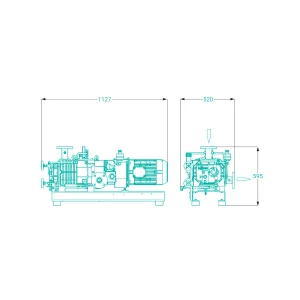 COBRA NC 0100 BPumping speed 110 m³/h 50 Hz130 m³/h 60 HzUltimate pressure 0.05 mbarRated motor power 3.5 kW 50 Hz4.8 kW 60 HzVariants 4
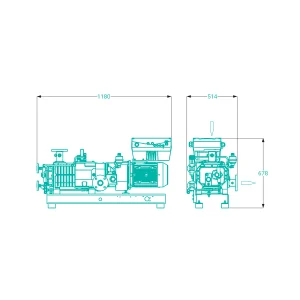 COBRA NC 0100 B ECOTORQUEPumping speed 130 m³/h 50 Hz130 m³/h 60 HzUltimate pressure 0.05 mbarRated motor power 4.8 kW 50 Hz4.8 kW 60 HzVariants
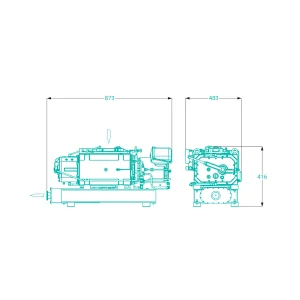 COBRA NS 0160 CPumping speed 135 m³/h 50 Hz170 m³/h 60 HzUltimate pressure 0.03 mbarRated motor power 5.5 kW 50 Hz6.6 kW 60 HzVariants
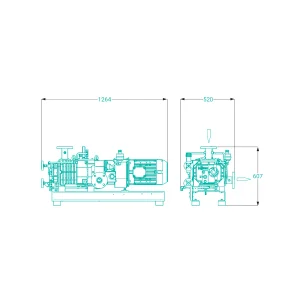 COBRA NC 0200 BPumping speed 220 m³/h 50 Hz265 m³/h 60 HzUltimate pressure 0.05 mbarRated motor power 6 kW 50 Hz7.6 kW 60 HzVariants 4
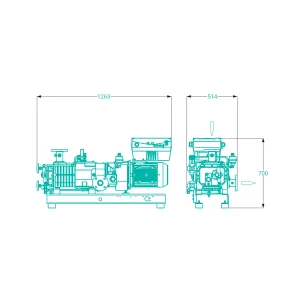 COBRA NC 0200 B ECOTORQUEPumping speed 265 m³/h 50 Hz265 m³/h 60 HzUltimate pressure 0.05 mbarRated motor power 7.6 kW 50 Hz7.6 kW 60 HzVariants
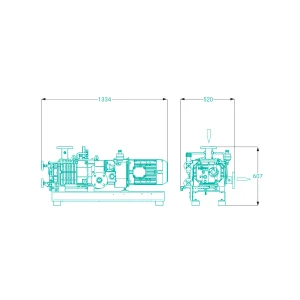 COBRA NC 0300 BPumping speed 320 m³/h 50 Hz385 m³/h 60 HzUltimate pressure 0.05 mbarRated motor power 7.5 kW 50 Hz9.5 kW 60 HzVariants 4
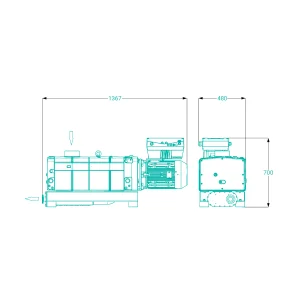 COBRA NC 0400 BPumping speed 350 m³/h 50 Hz420 m³/h 60 HzUltimate pressure 0.05 mbarRated motor power 7.5 kW 50 Hz9.5 kW 60 HzVariants
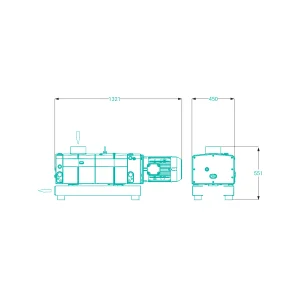 COBRA NX 0450 APumping speed 350 m³/h 50 Hz420 m³/h 60 HzUltimate pressure 0.1 mbarRated motor power 7.5 kW 50 Hz9.5 kW 60 HzVariants
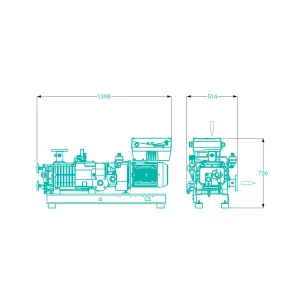 COBRA NC 0300 B ECOTORQUEPumping speed 385 m³/h 50 Hz385 m³/h 60 HzUltimate pressure 0.05 mbarRated motor power 9.5 kW 50 Hz9.5 kW 60 HzVariants
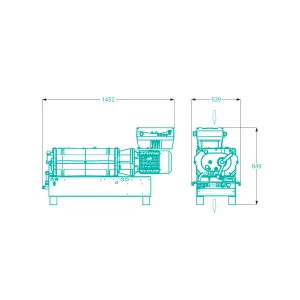 COBRA NC 0400 B ECOTORQUEPumping speed 420 m³/h 50 Hz420 m³/h 60 HzUltimate pressure 0.05 mbarRated motor power 9.5 kW 50 Hz9.5 kW 60 HzVariants
 COBRA NX 0450 A ECOTORQUEPumping speed 420 m³/h 50 Hz420 m³/h 60 HzUltimate pressure 0.1 mbarRated motor power 11 kW 50 Hz11 kW 60 HzVariants
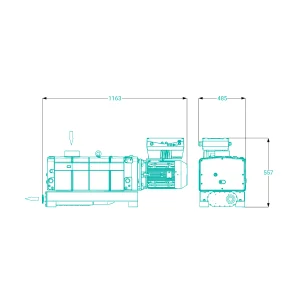 COBRA NC 0500 BPumping speed 490 m³/h 50 Hz490 m³/h 60 HzUltimate pressure 0.01 mbarRated motor power 9 kW 50 Hz9 kW 60 HzVariants
 COBRA NC 0630 C VRPumping speed 580 m³/h 50 Hz680 m³/h 60 HzUltimate pressure 25 mbarRated motor power 22 kW 50 Hz22 kW 60 HzVariants
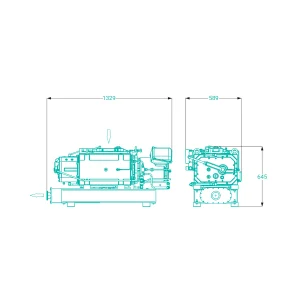 COBRA NS 0600 CPumping speed 600 m³/h 50 Hz600 m³/h 60 HzUltimate pressure 0.01 mbarRated motor power 15 kW 50 Hz15 kW 60 HzVariants
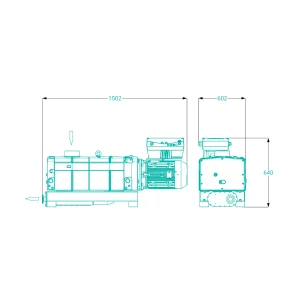 COBRA NC 0630 CPumping speed 630 m³/h 50 Hz630 m³/h 60 HzUltimate pressure 0.01 mbarRated motor power 15 kW 50 Hz17 kW 60 HzVariants
 COBRA NC 0630 C ECOTORQUEPumping speed 630 m³/h 50 Hz630 m³/h 60 HzUltimate pressure 0.01 mbarRated motor power 17 kW 50 Hz17 kW 60 HzVariants
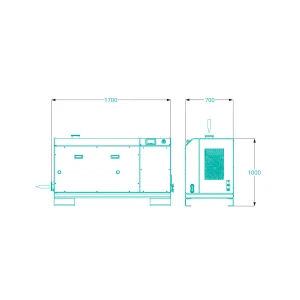 COBRA DX 0650 A PLUSPumping speed 650 m³/h 50 Hz650 m³/h 60 HzUltimate pressure 0.1 mbarRated motor power 15 kW 50 Hz15 kW 60 HzVariants
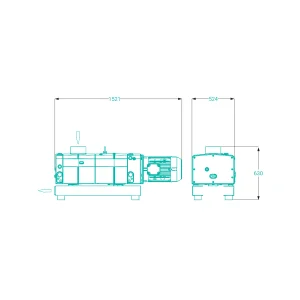 COBRA NX 0650 APumping speed 650 m³/h 50 Hz650 m³/h 60 HzUltimate pressure 0.1 mbarRated motor power 12.5 kW 50 Hz15 kW 60 HzVariants
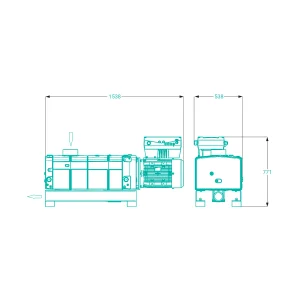 COBRA NX 0650 A ECOTORQUEPumping speed 650 m³/h 50 Hz650 m³/h 60 HzUltimate pressure 0.1 mbarRated motor power 15 kW 50 Hz15 kW 60 HzVariants
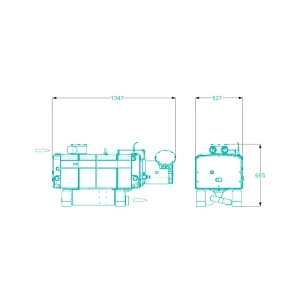 COBRA NF 0750 APumping speed 750 m³/h 50 Hz750 m³/h 60 HzUltimate pressure 0.05 mbarRated motor power 15 kW 50 Hz15 kW 60 HzVariants
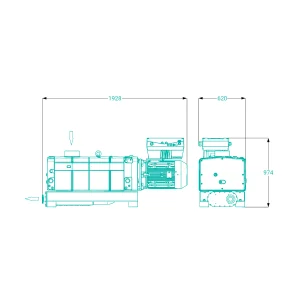 COBRA NC 1000 BPumping speed 840 m³/h 50 Hz1,000 m³/h 60 HzUltimate pressure 0.05 mbarRated motor power 22 kW 50 Hz25 kW 60 HzVariants
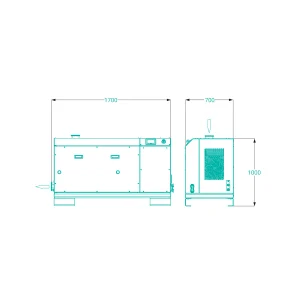 COBRA DX 0950 A PLUSPumping speed 950 m³/h 50 Hz950 m³/h 60 HzUltimate pressure 0.01 mbarRated motor power 18.5 kW 50 Hz18.5 kW 60 HzVariants
Busch COBRA Semicon series 22 models
Busch MINK series 32 models
Busch PANDA/PUMA series 26 models
Busch R5 series 58 models
Edwards E2M series 9 models
Edwards E2S series 3 models
Edwards EDS series 3 models
Edwards EH series 5 models
Edwards EXS series 11 models
Edwards GXS series 10 models
Edwards nES series 8 models
Edwards nXRi series 5 models
Leybold DRYVAC series 9 models
Leybold DURADRY series 3 models
Leybold NOVADRY series 4 models
Leybold RUVAC WA/WAU series 8 models
Leybold RUVAC WH/WHU series 7 models
Leybold RUVAC WS/WSU series 8 models
Leybold SCREWLINE series 2 models
Leybold SOGEVAC series 23 models
Leybold TRIVAC series 20 models
Pfeiffer Vacuum A4 series 12 models
Pfeiffer Vacuum A 100/200 L series 3 models
Pfeiffer Vacuum ACP series 4 models
Pfeiffer Vacuum DuoVane series 12 models
Pfeiffer Vacuum HiLobe series 17 models
Pfeiffer Vacuum HiScroll series 4 models
Pfeiffer Vacuum TORRI series 4 models
No model matches these filters.
Busch COBRA Industry series 36 models
Busch COBRA Semicon series 22 models
Busch MINK series 32 models
Busch PANDA/PUMA series 26 models
Busch R5 series 58 models
Edwards E2M series 9 models
Edwards E2S series 3 models
Edwards EDS series 3 models
Edwards EH series 5 models
Edwards EXS series 11 models
Edwards GXS series 10 models
Edwards nES series 8 models
Edwards nXRi series 5 models
Leybold DRYVAC series 9 models
Leybold DURADRY series 3 models
Leybold NOVADRY series 4 models
Leybold RUVAC WA/WAU series 8 models
Leybold RUVAC WH/WHU series 7 models
Leybold RUVAC WS/WSU series 8 models
Leybold SCREWLINE series 2 models
Leybold SOGEVAC series 23 models
Leybold TRIVAC series 20 models
Pfeiffer Vacuum A4 series 12 models
Pfeiffer Vacuum A 100/200 L series 3 models
Pfeiffer Vacuum ACP series 4 models
Pfeiffer Vacuum DuoVane series 12 models
Pfeiffer Vacuum HiLobe series 17 models
Pfeiffer Vacuum HiScroll series 4 models
Pfeiffer Vacuum TORRI series 4 models
Models a manufacturer no longer carries in its current range are listed in its “Outdated models” section.
Selection
Coating and thin film: choosing a vacuum pump
What the manufacturers highlight for use in this industry.
Process pressure and ultimate pressure
The process determines the pressure: Leybold names 10⁻² to 10⁻³ mbar for optical coatings, 10⁻² to 10⁻⁶ mbar for wear protection and decorative coatings and 10⁻¹ to 10⁻³ mbar for roll-to-roll; Edwards names CVD and ALD from 10⁻³ mbar, Pfeiffer Vacuum ALD at 10⁻¹ to 5 mbar. For high vacuum the backing pump alone is not enough: for PVD Edwards names a backing pump plus a turbo or cryopump, Leybold names TURBOVAC and COOLVAC alongside the backing pumps.
Cycle time of the load locks
Inline systems depend on the load lock cycle: for glass Leybold names 2–3 cycles per minute from 1,000 to 1 mbar, for displays very short pump-down cycles and for solar cells short cycle times; Edwards names fast pump-down cycles in glass coating. The pumping speed must match – Leybold names RUVAC with 250–7,000 m³/h and SOGEVAC with 16–750 m³/h, Pfeiffer Vacuum names 1,800–4,500 m³/h for ALD.
Process gases and by-products
In CVD and ALD the by-products are corrosive or powdery, according to Pfeiffer Vacuum. For plasma treatment Leybold names PFPE versions of TRIVAC B and RUVAC, VARODRY HD O2 and DURADRY; Edwards names a screw pump plus a Roots pump, E2S, E2M FX and nXRi for this. Which gases occur determines the seals, the oil and the version of the pump.
Batch or inline system
Leybold names optical coatings in batch systems, and glass, display and solar coating in inline systems with load locks; Pfeiffer Vacuum names clean vacuum for PVD, CVD/PECVD and ALD in batch and inline systems. Batch systems are brought to process pressure for each batch; inline systems hold the process pressure and pump down the load locks in cycles.
Frequently asked questions
Coating and thin film: frequently asked questions about vacuum pumps
Which vacuum pump is suitable for PVD coating?
For wear protection and decorative coatings by PVD, Leybold names DRYVAC, SOGEVAC and RUVAC (also VARODRY, SCREWLINE, POWER BOOST) at 10⁻² to 10⁻⁶ mbar. Pfeiffer Vacuum names ACP, DuoVane, HiLobe and HiScroll, Busch names R5, MINK, COBRA and PANDA/PUMA. Edwards describes PVD as evaporation and condensation in high vacuum with a backing pump plus a turbo or cryopump.
How much vacuum does a coating system need?
Leybold names 10⁻² to 10⁻³ mbar for optical coatings, 10⁻² to 10⁻⁶ mbar for wear protection and decorative coatings and 10⁻¹ to 10⁻³ mbar for roll-to-roll. Edwards names CVD and ALD from 10⁻³ mbar, Pfeiffer Vacuum ALD at 10⁻¹ to 5 mbar and MBE at about 10⁻¹¹ hPa. The backing pump handles the rough vacuum part; for high vacuum, according to Edwards and Leybold, a turbo or cryopump is added.
Which backing pump for optical coating?
For anti-reflective and scratch-resistant multilayer coatings in batch systems, Leybold names TRIVAC, SOGEVAC, DRYVAC, RUVAC, SCREWLINE and VARODRY at 10⁻² to 10⁻³ mbar. For anti-reflective, mirror and filter coatings, Pfeiffer Vacuum names ACP, DuoVane, HiLobe and HiScroll, Busch names R5, MINK, COBRA and PANDA/PUMA.
Which vacuum pump for glass coating?
For architectural and automotive glass, Leybold names SCREWLINE, POWER BOOST, DRYVAC, SOGEVAC and RUVAC; the backing pumps cycle the load locks at 2–3 cycles per minute from 1,000 to 1 mbar. For low-E, solar control and AR coatings inline, Pfeiffer Vacuum names ACP and HiLobe, Edwards names fast pump-down cycles with EDS and EXS, Busch names R5, COBRA and PANDA/PUMA.
Which vacuum pump for CVD, PECVD and ALD?
Edwards names EXS for CVD and ALD from 10⁻³ mbar. Pfeiffer Vacuum names A4 and A4H for PECVD/SACVD, ALD, LPCVD/diffusion and MBE, and ALD systems with 1,800–4,500 m³/h at 10⁻¹ to 5 mbar, and points out corrosive or powdery by-products. Busch names COBRA DS for CVD/PECVD, Leybold names DRYVAC and RUVAC for CVD on HJT solar cells.
Which vacuum pump for wear-resistant coatings on tools?
Pfeiffer Vacuum names hard coatings such as TiN and DLC on tools, for example for stamping and die casting, with DuoVane, HiLobe and HiScroll (also COMBI). Leybold names hard thin films on tools, metal and plastic parts with DRYVAC, SOGEVAC and RUVAC, Busch names wear-protection coating with R5, COBRA and PANDA/PUMA.
Oil-free or oil-lubricated for vacuum coating?
The manufacturers name both: Busch lists the oil-lubricated R5 rotary vane pumps alongside the dry COBRA, MINK and PANDA/PUMA, Leybold lists SOGEVAC alongside DRYVAC, Edwards lists E2M alongside the dry screw pumps EDS, EXS and GXS. Pfeiffer Vacuum names clean vacuum for PVD, CVD/PECVD and ALD, Edwards names the vapour that must reach the substrate in pure form – the closer the pump is to the process, the more likely the choice is a dry version.
How fast must the load lock of a coating system be evacuated?
For glass coating Leybold names 2–3 cycles per minute from 1,000 to 1 mbar, for displays very short pump-down cycles and for solar cells inline systems with short cycle times. For this Leybold names RUVAC Roots pumps with 250–7,000 m³/h ahead of DRYVAC or SOGEVAC; Edwards names fast pump-down cycles with EDS and EXS.
Which vacuum pump for plasma treatment?
For plasma used for coating, cleaning, activating and etching, Leybold names PFPE versions of TRIVAC B and RUVAC, VARODRY HD O2, DURADRY and DRYVAC. For plasma ignition for surface activation, Edwards names a screw pump plus a Roots pump, E2S, E2M FX and nXRi.
Which vacuum pump for roll-to-roll coating?
For flexible webs coated by PVD, PECVD or evaporation, Leybold names a pressure of 10⁻¹ to 10⁻³ mbar and, as pumps, turbo, cryo, oil-sealed, diffusion and dry industrial pumps as well as Roots pumps, without specifying a series. Edwards names EXS for web coating and plasma spraying.
Does Ehrler & Beck also supply spare parts and service?
Yes. Ehrler & Beck offers original spare parts and accessories as well as maintenance and repair.
Which pump suits your process?
Tell us the application, the medium and the number of machines – we advise you on selection, spare parts and service.
