

Application
Evacuation of chambers and vessels
Evacuation means drawing air or gas out of a closed space – a vacuum chamber, a vessel, a lamp or a heat pipe – until the desired pressure is reached; the space then stays empty, is filled, or the process begins. Becker describes it as the rapid removal of air or gas from chambers and vessels, Busch as drawing gas out of a closed space. Below you can see how the application works, what vacuum the manufacturers name and which of their series are intended for it – 325 models from 6 manufacturers.
Compare 325 modelsHow it works
- 325Models
- 29Series
- 6Manufacturers
- 10⁻² to 10⁻³ mbarEvacuation in lamp production (Leybold)
Touch the points: each part of the system explains itself.
In short
Evacuation of chambers and vessels: the key facts
- Rapid evacuationBecker describes evacuation as the rapid removal of air or gas from chambers and vessels and names its series VT, VX, KVT, KVX, VTLF, VXLF, O, U, U4, VADS, BCV, SV, VASF, VARIAIR RV, VATP, T and DVT for it.
- Lamp productionLeybold describes how lamps are evacuated in production and left empty or filled with a special gas, mostly at 10⁻² to 10⁻³ mbar; TRIVAC B, TRIVAC T and NEO D are named.
- Water vapourWith heat pipes, according to Leybold, the remaining volume is evacuated after partial filling with water; the pump must cope with water vapour, and below 100 Pa, purge air acts like gas ballast.
- Cheese chambersFor cheese vacuum chambers, Busch names cooling, degassing, moulding and draining with R5, MINK and DOLPHIN; Pfeiffer Vacuum names A 100/200 L, A4 and ACP for this.
Operating principle
How it works: Evacuation of chambers and vessels
The drawing shows the basic principle in section. The systems and pumps of the individual manufacturers differ in detail.
- ClosingThe chamber or vessel is closed and connected to the vacuum pump.
- EvacuatingThe pump draws off air or gas – rapidly, as Becker describes it – down to the target pressure, in lamp production mostly 10⁻² to 10⁻³ mbar according to Leybold.
- Holding or fillingThe vessel remains empty, is filled with special gas (Leybold: lamps), or the process continues under vacuum, for example cooling and moulding cheese (Busch).
Vacuum and sizing
Evacuation of chambers and vessels: how much vacuum is needed
What the manufacturers say about pressure, pumping speed and sizing.
Which vacuum
For lamp production, Leybold names mostly 10⁻² to 10⁻³ mbar. For other applications, the process sets the target pressure.
Which pumping speed
Becker describes evacuation as the rapid removal of air or gas. The larger the volume and the shorter the required time, the more pumping speed the pump needs.
What determines the sizing
Water vapour: with heat pipes, according to Leybold, the pump must cope with water vapour; below 100 Pa, purge air acts like gas ballast. Chamber size: Atlas Copco names GLS for large pump chambers and DWS VSD+ for vacuum chamber evacuation.
What the manufacturers point out
Leybold excludes LED lamps from lamp production. Becker also names evacuation for the process circuit of CO₂ lasers, and Busch describes evacuation in connection with packaging. Edwards names EOSi for environmental chambers and E2M for heat pipes.
Technology
Evacuation of chambers and vessels: the vacuum pumps the manufacturers name
Listed are the series the manufacturer itself names for this application. “Show only …” sets the filter of the product overview.
Oil-lubricated rotary vane vacuum pumps
112 models · 0.75–1,800 m³/h
Liquid ring vacuum pumps
70 models · 25–16,160 m³/h
Claw vacuum pumps
39 models · 18–1,150 m³/h
Dry-running rotary vane vacuum pumps
30 models · 1.9–495 m³/h
Side channel blowers
22 models · 24–1,050 m³/h
Roots vacuum pumps
19 models · 14–1,650 m³/h
Screw vacuum pumps
18 models · 160–5,004 m³/h
Dry-running rotary vane pressure/vacuum pumps
10 models · 10–137 m³/h
Radial blowers
2 models · 1,570 m³/h
Rotary piston vacuum pumps
2 models · 234–442 m³/h
Screw compressors
1 model · 1,230 m³/h
Product overview
Evacuation of chambers and vessels: all 325 models compared
Use the filters on the left to narrow the selection – by manufacturer, technology and the models’ key figures, for 50 or 60 Hz.
Atlas Copco DWS VSD+ series 6 models
Atlas Copco GLS series 2 models
Becker BCV series 7 models
Becker DVT series 4 models
 DVT 3.60Pumping speed 58 m³/h 50 Hz69 m³/h 60 HzUltimate pressure Rated motor power 2.2 – 3 kW 50 Hz2.6 – 3.6 kW 60 HzVariants 6DVT 3.80Pumping speed 70 m³/h 50 Hz82 m³/h 60 HzUltimate pressure Rated motor power Variants DVT 3.100Pumping speed 103 m³/h 50 Hz120 m³/h 60 HzUltimate pressure Rated motor power Variants
 DVT 3.140Pumping speed 137 m³/h 50 Hz160 m³/h 60 HzUltimate pressure Rated motor power Variants
Becker KVT series 4 models
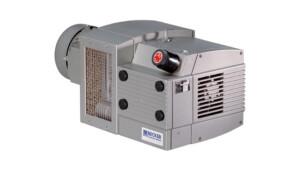 KVT 3.60Pumping speed 55 m³/h 50 Hz66 m³/h 60 HzUltimate pressure 100 mbarRated motor power 2.2 kW 50 Hz2.6 kW 60 HzVariants 6
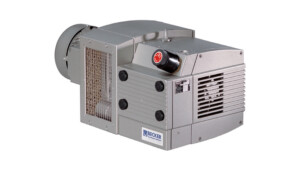 KVT 3.80Pumping speed 67 m³/h 50 Hz78.5 m³/h 60 HzUltimate pressure 100 mbarRated motor power 2.2 kW 50 Hz2.6 kW 60 HzVariants 6
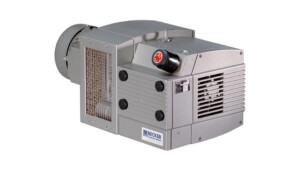 KVT 3.100Pumping speed 98 m³/h 50 Hz112 m³/h 60 HzUltimate pressure 100 mbarRated motor power 3 kW 50 Hz3.6 kW 60 HzVariants 8
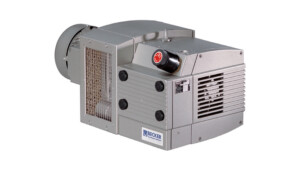 KVT 3.140Pumping speed 129 m³/h 50 Hz154 m³/h 60 HzUltimate pressure 100 mbarRated motor power 4 kW 50 Hz4.5 – 4.8 kW 60 HzVariants 7
Becker KVX series 4 models
Becker O series 6 models
Becker SV series 16 models
Becker T series 6 models
Becker U4 series 6 models
Becker U series 8 models
Becker VADS series 3 models
Becker VARIAIR RV series 1 model
Becker VASF series 6 models
Becker VATP series 1 model
Becker VTLF series 6 models
Becker VT series 7 models
Becker VXLF series 5 models
Becker VX series 4 models
Busch DOLPHIN series 70 models
Busch MINK series 32 models
Busch R5 series 58 models
Edwards E2M series 9 models
Edwards EOSi series 10 models
Leybold NEO D series 5 models
Leybold TRIVAC series 20 models
Pfeiffer Vacuum A4 series 12 models
Pfeiffer Vacuum A 100/200 L series 3 models
Pfeiffer Vacuum ACP series 4 models
No model matches these filters.
Atlas Copco DWS VSD+ series 6 models
Atlas Copco GLS series 2 models
Becker BCV series 7 models
Becker DVT series 4 models
Becker KVT series 4 models
Becker KVX series 4 models
Becker O series 6 models
Becker SV series 16 models
Becker T series 6 models
Becker U4 series 6 models
Becker U series 8 models
Becker VADS series 3 models
Becker VARIAIR RV series 1 model
Becker VASF series 6 models
Becker VATP series 1 model
Becker VTLF series 6 models
Becker VT series 7 models
Becker VXLF series 5 models
Becker VX series 4 models
Busch DOLPHIN series 70 models
Busch MINK series 32 models
Busch R5 series 58 models
Edwards E2M series 9 models
Edwards EOSi series 10 models
Leybold NEO D series 5 models
Leybold TRIVAC series 20 models
Pfeiffer Vacuum A4 series 12 models
Pfeiffer Vacuum A 100/200 L series 3 models
Pfeiffer Vacuum ACP series 4 models
Models a manufacturer no longer carries in its current range are listed in its “Outdated models” section.
Industries
Evacuation of chambers and vessels: where the manufacturers name it
The manufacturers list these uses on their own pages.
Mechanical engineering and manufacturing
Becker describes evacuation as the rapid removal of air or gas from chambers and vessels with its series from VT to DVT; Edwards names EOSi for environmental chambers and E2M for heat pipes.
Dairy
For cheese vacuum chambers, Busch names cooling, degassing, moulding and draining with R5, MINK and DOLPHIN; Pfeiffer Vacuum names A 100/200 L, A4 and ACP for this.
Frequently asked questions
Evacuation of chambers and vessels: frequently asked questions
How does the evacuation of a vacuum chamber work?
The chamber is closed, the vacuum pump draws off the air or gas until the target pressure is reached, then the valve is closed or the process begins. Becker describes it as the rapid removal of air or gas from chambers and vessels, Busch as drawing gas out of a closed space.
Which vacuum pump for evacuating vessels?
Becker names VT, VX, KVT, KVX, VTLF, VXLF, O, U, U4, VADS, BCV, SV, VASF, VARIAIR RV, VATP, T and DVT for this. Leybold names TRIVAC and NEO D for lamps and heat pipes, Busch R5, MINK and DOLPHIN as well as Pfeiffer Vacuum A 100/200 L, A4 and ACP for cheese chambers, Atlas Copco DWS VSD+ and GLS, Edwards EOSi and E2M.
How much vacuum does evacuation need?
That is set by the process. For lamp production, Leybold names mostly 10⁻² to 10⁻³ mbar.
How long does it take to evacuate a chamber?
Becker describes evacuation as rapid. Physically, the duration depends on the volume, the pumping speed of the pump and the target pressure.
Oil-free or oil-lubricated for evacuation?
The manufacturers name both. Becker lists dry-running and oil-lubricated rotary vane vacuum pumps, claw and screw vacuum pumps as well as side channel and radial blowers; Leybold the oil-lubricated TRIVAC and NEO D; Busch the oil-lubricated R5 alongside the dry MINK and the liquid ring vacuum pump DOLPHIN; Atlas Copco the dry DWS VSD+ and the oil-lubricated GLS.
What to do when water vapour occurs during evacuation?
Leybold describes this for heat pipes: after partial filling with water, the remaining volume is evacuated, and the pump must cope with the water vapour; below 100 Pa, purge air acts like gas ballast. Leybold names VARODRY with purge gas kit, TRIVAC B, NEO D and Roots pumps for this.
Which vacuum pump for cheese vacuum chambers?
Busch names R5 and MINK, and in the product finder also DOLPHIN, for cheese vacuum chambers in which cheese is cooled, degassed, moulded and drained. Pfeiffer Vacuum names A 100/200 L, A4 and ACP for this.
How are lamps evacuated in production?
According to Leybold, lamps are evacuated and then left empty or filled with a special gas, mostly at 10⁻² to 10⁻³ mbar; TRIVAC B, TRIVAC T, NEO D and turbomolecular pumps are named. Leybold excludes LED lamps from this.
Which vacuum pump for large vacuum chambers?
Atlas Copco names the GLS for large pump chambers and the DWS VSD+ for vacuum chamber evacuation, without describing either in more detail. For the rapid evacuation of chambers and vessels, Becker names, among others, the SV and VASF side channel blowers and the VARIAIR RV and VATP radial blowers.
Which vacuum pump for environmental chambers and heat pipes?
Edwards names EOSi for environmental chambers and E2M for heat pipes. For heat pipe production, Leybold describes evacuating the remaining volume after partial filling with water and names VARODRY with purge gas kit, TRIVAC B, NEO D and Roots pumps.
A single pump or a central vacuum system?
A central system in a room of its own keeps noise and heat away from production and matches its output to the demand. Central vacuum systems are planned and built by Eugen Theis Vakuum, a company of the Ehrler & Beck group – more under Central Vacuum.
Does Ehrler & Beck also supply spare parts and service?
Yes. Ehrler & Beck offers original spare parts and accessories as well as maintenance and repair.
Which pump suits your process?
Tell us the application, the medium and the volume – we advise you on selection, spare parts and service.
