

Application
Backing pumps for high vacuum and accelerators
Accelerators, storage rings, beam pipes, lasers and ion sources work in high and ultra-high vacuum generated by turbo pumps or cryopumps. A turbo pump needs a backing pump that keeps the pressure at its outlet low, a cryopump a backing pump for pre-evacuation and regeneration. Pfeiffer Vacuum describes the pump chain in which the backing pump evacuates to about 10⁻³ hPa so that the high vacuum pump reaches pressures below 10⁻⁷ hPa. Below you can see how the application works, what vacuum the manufacturers name and which of their series are intended for it – 184 models from 4 manufacturers.
Compare 184 modelsHow it works
- 184Models
- 19Series
- 4Manufacturers
- approx. 10⁻³ hPaBacking vacuum in the UHV pump chain (Pfeiffer Vacuum)
Touch the points: each part of the system explains itself.
In short
Backing pump for high vacuum and accelerators: the key facts
- Backing vacuumFor generating ultra-high vacuum, Pfeiffer Vacuum describes a pump chain in which the backing pump evacuates to about 10⁻³ hPa; HiScroll, ACP and DuoVane are named.
- UHV below 10⁻⁹ mbarAccording to Leybold, ultra-high vacuum below 10⁻⁹ mbar prevents surface contamination and reduces disturbances in accelerators; storage rings need ≤10⁻¹¹ mbar. As backing pumps Leybold names SCROLLVAC plus, ECODRY plus and SOGEVAC BI/DI.
- Backing pump for turboAs backing pumps for turbo and high vacuum pumps, Edwards names XDS, RV, E2M, nXRi, GV and E2S; the nXRi reaches below 0.03 mbar.
- Radiation-resistantFor accelerators, Pfeiffer Vacuum names stable, radiation-resistant ultra-high vacuum for the particle beam; Leybold describes cyclotron sections in proton therapy that need a vacuum of around 10⁻⁷ mbar despite magnetic fields and radiation.
Operating principle
How it works: Backing pump for high vacuum and accelerators
The drawing shows the basic principle in section. The systems and pumps of the individual manufacturers differ in detail.
- Pre-evacuationThe backing pump – with a Roots pump if required – lowers the chamber pressure; Edwards names pre-evacuation for gravitational wave detectors, Pfeiffer Vacuum the backing pump down to about 10⁻³ hPa.
- High vacuumThe turbo pump or cryopump takes over and, according to Pfeiffer Vacuum, reaches pressures below 10⁻⁷ hPa; behind the turbo pump, the backing pump maintains the backing vacuum.
- Bake-outFor ultra-high vacuum, Edwards names baking out the system; in operation the backing pump must maintain the backing vacuum permanently – Leybold names storage rings with ≤10⁻¹¹ mbar.
Vacuum and sizing
Backing pump for high vacuum and accelerators: how much vacuum is needed
What the manufacturers say about pressure, pumping speed and sizing.
Which vacuum
Leybold: ultra-high vacuum below 10⁻⁹ mbar, storage rings ≤10⁻¹¹ mbar, proton therapy around 10⁻⁷ mbar. Pfeiffer Vacuum: below 10⁻⁷ hPa for high-energy, plasma and space research, surface analysis and photonics, 10⁻⁶ to 10⁻⁹ hPa at the ion source, beam line and end station. For ion traps in quantum computing, Edwards names XHV.
Which backing pump
Pfeiffer Vacuum: backing pump down to about 10⁻³ hPa; HiScroll, ACP and DuoVane are named. Edwards: XDS, RV, E2M, nXRi, GV and E2S, the nXRi with below 0.03 mbar. Leybold: SCROLLVAC plus, ECODRY plus and SOGEVAC BI/DI, for high vacuum systems also NEO D and TRIVAC B. Busch names COBRA for beamlines, particle accelerators, plasma physics and photonics.
Which pumping speed
For the ion source, beam line and end station, Pfeiffer Vacuum names 1,200–3,000 l/s. The pumping speed of the backing pump depends on the high vacuum pump and the gas load.
What the manufacturers point out
Radiation resistance (Pfeiffer Vacuum), magnetic field and radiation in the cyclotron (Leybold), aggressive gases in ion implantation (Pfeiffer Vacuum), fast cycles in plasma physics (Pfeiffer Vacuum) and bake-out for ultra-high vacuum (Edwards).
Technology
Backing pump for high vacuum and accelerators: the vacuum pumps the manufacturers name
Listed are the series the manufacturer itself names for this application. “Show only …” sets the filter of the product overview.
Oil-lubricated rotary vane vacuum pumps
80 models · 0.75–755 m³/h
Screw vacuum pumps
58 models · 70–7,385 m³/h
Roots vacuum pumps
33 models · 14–1,650 m³/h
Scroll vacuum pumps
11 models · 3–43 m³/h
Claw vacuum pumps
2 models · 82–110 m³/h
Product overview
Backing pump for high vacuum and accelerators: all 184 models compared
Use the filters on the left to narrow the selection – by manufacturer, technology and the models’ key figures, for 50 or 60 Hz.
Busch COBRA Industry series 36 models
 COBRA NS 0070 CPumping speed 70 m³/h 50 Hz85 m³/h 60 HzUltimate pressure 0.03 mbarRated motor power 4 kW 50 Hz4.4 kW 60 HzVariants
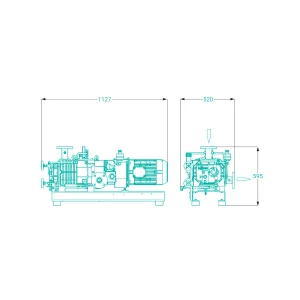 COBRA NC 0100 BPumping speed 110 m³/h 50 Hz130 m³/h 60 HzUltimate pressure 0.05 mbarRated motor power 3.5 kW 50 Hz4.8 kW 60 HzVariants 4
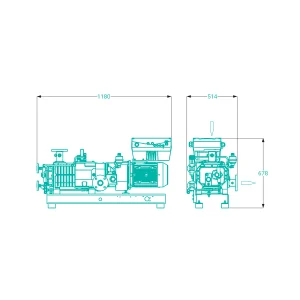 COBRA NC 0100 B ECOTORQUEPumping speed 130 m³/h 50 Hz130 m³/h 60 HzUltimate pressure 0.05 mbarRated motor power 4.8 kW 50 Hz4.8 kW 60 HzVariants
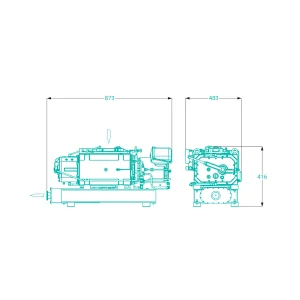 COBRA NS 0160 CPumping speed 135 m³/h 50 Hz170 m³/h 60 HzUltimate pressure 0.03 mbarRated motor power 5.5 kW 50 Hz6.6 kW 60 HzVariants
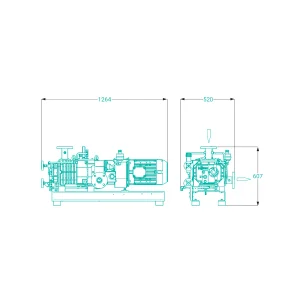 COBRA NC 0200 BPumping speed 220 m³/h 50 Hz265 m³/h 60 HzUltimate pressure 0.05 mbarRated motor power 6 kW 50 Hz7.6 kW 60 HzVariants 4
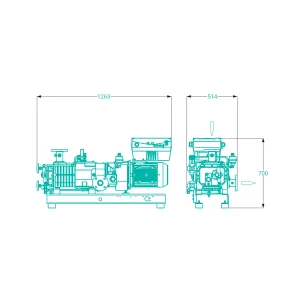 COBRA NC 0200 B ECOTORQUEPumping speed 265 m³/h 50 Hz265 m³/h 60 HzUltimate pressure 0.05 mbarRated motor power 7.6 kW 50 Hz7.6 kW 60 HzVariants
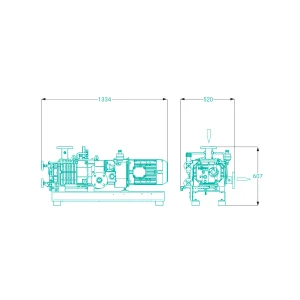 COBRA NC 0300 BPumping speed 320 m³/h 50 Hz385 m³/h 60 HzUltimate pressure 0.05 mbarRated motor power 7.5 kW 50 Hz9.5 kW 60 HzVariants 4
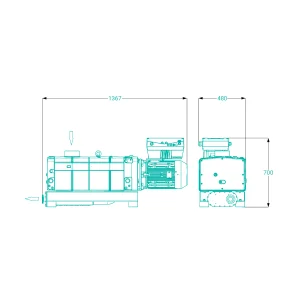 COBRA NC 0400 BPumping speed 350 m³/h 50 Hz420 m³/h 60 HzUltimate pressure 0.05 mbarRated motor power 7.5 kW 50 Hz9.5 kW 60 HzVariants
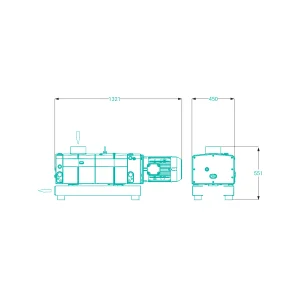 COBRA NX 0450 APumping speed 350 m³/h 50 Hz420 m³/h 60 HzUltimate pressure 0.1 mbarRated motor power 7.5 kW 50 Hz9.5 kW 60 HzVariants
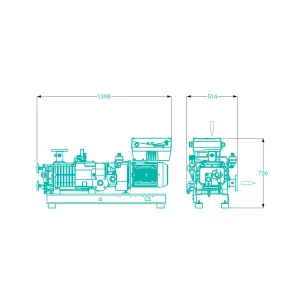 COBRA NC 0300 B ECOTORQUEPumping speed 385 m³/h 50 Hz385 m³/h 60 HzUltimate pressure 0.05 mbarRated motor power 9.5 kW 50 Hz9.5 kW 60 HzVariants
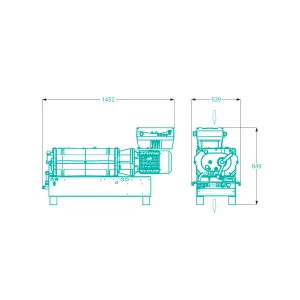 COBRA NC 0400 B ECOTORQUEPumping speed 420 m³/h 50 Hz420 m³/h 60 HzUltimate pressure 0.05 mbarRated motor power 9.5 kW 50 Hz9.5 kW 60 HzVariants
 COBRA NX 0450 A ECOTORQUEPumping speed 420 m³/h 50 Hz420 m³/h 60 HzUltimate pressure 0.1 mbarRated motor power 11 kW 50 Hz11 kW 60 HzVariants
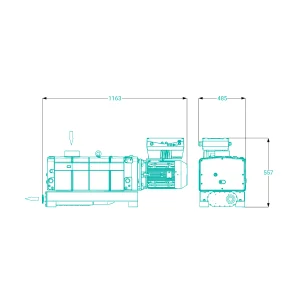 COBRA NC 0500 BPumping speed 490 m³/h 50 Hz490 m³/h 60 HzUltimate pressure 0.01 mbarRated motor power 9 kW 50 Hz9 kW 60 HzVariants
 COBRA NC 0630 C VRPumping speed 580 m³/h 50 Hz680 m³/h 60 HzUltimate pressure 25 mbarRated motor power 22 kW 50 Hz22 kW 60 HzVariants
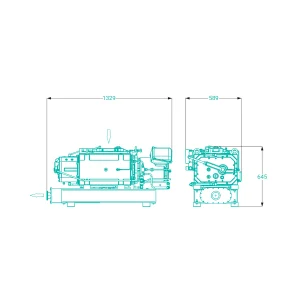 COBRA NS 0600 CPumping speed 600 m³/h 50 Hz600 m³/h 60 HzUltimate pressure 0.01 mbarRated motor power 15 kW 50 Hz15 kW 60 HzVariants
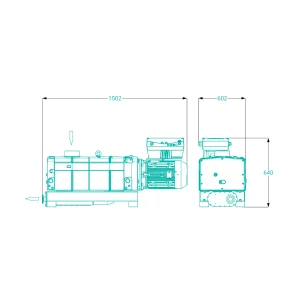 COBRA NC 0630 CPumping speed 630 m³/h 50 Hz630 m³/h 60 HzUltimate pressure 0.01 mbarRated motor power 15 kW 50 Hz17 kW 60 HzVariants
 COBRA NC 0630 C ECOTORQUEPumping speed 630 m³/h 50 Hz630 m³/h 60 HzUltimate pressure 0.01 mbarRated motor power 17 kW 50 Hz17 kW 60 HzVariants
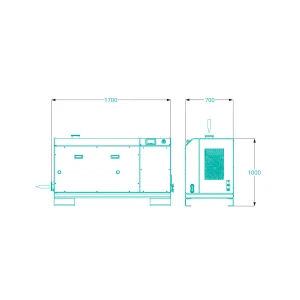 COBRA DX 0650 A PLUSPumping speed 650 m³/h 50 Hz650 m³/h 60 HzUltimate pressure 0.1 mbarRated motor power 15 kW 50 Hz15 kW 60 HzVariants
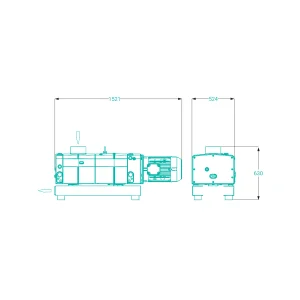 COBRA NX 0650 APumping speed 650 m³/h 50 Hz650 m³/h 60 HzUltimate pressure 0.1 mbarRated motor power 12.5 kW 50 Hz15 kW 60 HzVariants
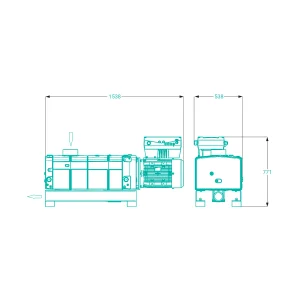 COBRA NX 0650 A ECOTORQUEPumping speed 650 m³/h 50 Hz650 m³/h 60 HzUltimate pressure 0.1 mbarRated motor power 15 kW 50 Hz15 kW 60 HzVariants
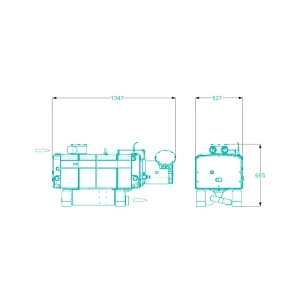 COBRA NF 0750 APumping speed 750 m³/h 50 Hz750 m³/h 60 HzUltimate pressure 0.05 mbarRated motor power 15 kW 50 Hz15 kW 60 HzVariants
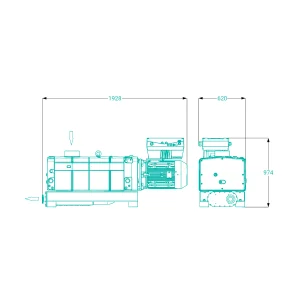 COBRA NC 1000 BPumping speed 840 m³/h 50 Hz1,000 m³/h 60 HzUltimate pressure 0.05 mbarRated motor power 22 kW 50 Hz25 kW 60 HzVariants
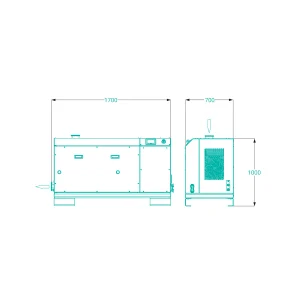 COBRA DX 0950 A PLUSPumping speed 950 m³/h 50 Hz950 m³/h 60 HzUltimate pressure 0.01 mbarRated motor power 18.5 kW 50 Hz18.5 kW 60 HzVariants
Busch COBRA Semicon series 22 models
Edwards E2M series 9 models
Edwards E2S series 3 models
Edwards GV series 2 models
Edwards nXRi series 5 models
Edwards RV series 8 models
Edwards XDS series 2 models
Leybold ECODRY series 5 models
Leybold NEO D series 5 models
Leybold SCROLLVAC series 5 models
Leybold SOGEVAC series 23 models
Leybold TRIVAC series 20 models
Pfeiffer Vacuum A4 series 12 models
Pfeiffer Vacuum A 100/200 L series 3 models
Pfeiffer Vacuum ACP series 4 models
Pfeiffer Vacuum DuoVane series 12 models
Pfeiffer Vacuum HiScroll series 4 models
Pfeiffer Vacuum TORRI series 4 models
No model matches these filters.
Busch COBRA Industry series 36 models
Busch COBRA Semicon series 22 models
Edwards E2M series 9 models
Edwards E2S series 3 models
Edwards GV series 2 models
Edwards nXRi series 5 models
Edwards RV series 8 models
Edwards XDS series 2 models
Leybold ECODRY series 5 models
Leybold NEO D series 5 models
Leybold SCROLLVAC series 5 models
Leybold SOGEVAC series 23 models
Leybold TRIVAC series 20 models
Pfeiffer Vacuum A4 series 12 models
Pfeiffer Vacuum A 100/200 L series 3 models
Pfeiffer Vacuum ACP series 4 models
Pfeiffer Vacuum DuoVane series 12 models
Pfeiffer Vacuum HiScroll series 4 models
Pfeiffer Vacuum TORRI series 4 models
Models a manufacturer no longer carries in its current range are listed in its “Outdated models” section.
Industries
Backing pump for high vacuum and accelerators: where the manufacturers name it
The manufacturers list these uses on their own pages.
Research, laboratory and analytics
The manufacturers name the backing pump here: Leybold for storage rings and ultra-high vacuum, Edwards for high-energy physics, gravitational wave detectors such as Virgo (2×3 km) and high-power lasers, Pfeiffer Vacuum for accelerators, plasma and photonics research, Busch with COBRA for beamlines and particle accelerators.
Medical and healthcare
Leybold describes cyclotron sections in proton therapy with a vacuum of around 10⁻⁷ mbar despite magnetic fields and radiation and names SCROLLVAC plus; for medical accelerators Pfeiffer Vacuum names ACP, DuoVane and HiScroll.
Semiconductors, electronics and displays
Pfeiffer Vacuum names high vacuum of 10⁻⁶ to 10⁻⁹ hPa for the ion source, beam line and end station in ion implantation with aggressive gases, and A4 and ACP for this.
Frequently asked questions
Backing pump for high vacuum and accelerators: frequently asked questions
What is a backing pump and why is it needed?
A turbo pump cannot pump against atmospheric pressure; the backing pump keeps the pressure at its outlet low. A cryopump needs the backing pump for pre-evacuation and for regeneration. Pfeiffer Vacuum describes the pump chain as follows: the backing pump evacuates to about 10⁻³ hPa, and the high vacuum pump then reaches pressures below 10⁻⁷ hPa. Edwards names XDS, RV, E2M, nXRi, GV and E2S for this.
Which backing pump for a turbo pump?
As backing pumps for turbo and high vacuum pumps, Edwards names XDS, RV, E2M, nXRi, GV and E2S, the nXRi with below 0.03 mbar. Pfeiffer Vacuum names HiScroll, ACP and DuoVane, Leybold SCROLLVAC plus, ECODRY plus, SOGEVAC BI/DI, NEO D and TRIVAC B. Busch names COBRA for beamlines and particle accelerators.
How much backing vacuum does a turbomolecular pump need?
For generating ultra-high vacuum, Pfeiffer Vacuum names a backing pump down to about 10⁻³ hPa. For the nXRi as a backing pump, Edwards names an ultimate pressure below 0.03 mbar. The exact value depends on the high vacuum pump and the gas load.
What pressure is there in a particle accelerator?
For storage rings Leybold names ≤10⁻¹¹ mbar, and in general ultra-high vacuum below 10⁻⁹ mbar, which prevents surface contamination and reduces disturbances in accelerators. For accelerators Pfeiffer Vacuum names stable, radiation-resistant ultra-high vacuum, and for high-energy research pressures below 10⁻⁷ hPa; at the ion source, beam line and end station 10⁻⁶ to 10⁻⁹ hPa.
Oil-free or oil-lubricated as a backing pump in high vacuum?
The manufacturers name both. Leybold lists the dry SCROLLVAC plus and ECODRY plus as well as the oil-lubricated SOGEVAC BI/DI, TRIVAC B and NEO D; Pfeiffer Vacuum the dry HiScroll and ACP alongside the oil-lubricated DuoVane; Edwards the dry XDS, nXRi and GV alongside the oil-lubricated RV, E2M and E2S. Which version is suitable depends on the system and the cleanliness requirements.
Why must the pressure in ultra-high vacuum be so low?
According to Leybold, ultra-high vacuum prevents surface contamination and reduces disturbances in accelerators; storage rings need extremely low pressures. Edwards names ultra-high vacuum for a stable beam in high-energy physics, Pfeiffer Vacuum a particle-free environment for optics in photonics.
Which vacuum pump for proton therapy?
Leybold describes cyclotron sections that need a vacuum of around 10⁻⁷ mbar despite magnetic fields and radiation, and names SCROLLVAC plus with TURBOVAC iR and cryopumps. For medical accelerators Pfeiffer Vacuum names ACP, DuoVane and HiScroll.
Which vacuum pump for ion implantation?
For the ion source, beam line and end station, Pfeiffer Vacuum names high vacuum of 10⁻⁶ to 10⁻⁹ hPa at 1,200–3,000 l/s, together with aggressive gases, and A4 and ACP as pumps.
What if the backing pump has to work in a magnetic field or under radiation?
Leybold describes exactly this for cyclotron sections in proton therapy and names SCROLLVAC plus; for accelerators Pfeiffer Vacuum names radiation-resistant ultra-high vacuum with ACP and HiScroll. Selecting the pump and its installation location is then part of the system planning.
Which vacuum pump for plasma physics and photonics research?
For plasma physics, Pfeiffer Vacuum names stable vacuum control with fast cycles with ACP, and for photonics research a particle-free environment for optics with A 100/200 L, ACP, HiScroll and TORRI. Busch names COBRA for plasma physics and photonics research.
A single pump or a central vacuum system?
A central system in a room of its own keeps noise and heat away from production and matches its output to the demand. Central vacuum systems are planned and built by Eugen Theis Vakuum, a company of the Ehrler & Beck group – more under Central Vacuum.
Does Ehrler & Beck also supply spare parts and service?
Yes. Ehrler & Beck offers original spare parts and accessories as well as maintenance and repair.
Which pump suits your process?
Tell us the application, the medium and the volume – we advise you on selection, spare parts and service.
