

Industry
Vacuum pumps for hydrogen and fuel cells
Leybold names vacuum in the production, storage, transport and use of hydrogen: in separation from carrier gases, in VPSA drying, in vacuum-insulated tanks for liquid hydrogen and in the leak testing of pipelines, electrolysers and fuel cells. According to Busch and Elmo Rietschle, it is mainly blowers for air and hydrogen that work in the fuel cell itself. This page is part of the Energy industry. Below you can see which series the manufacturers themselves name for these tasks – 392 models from 3 manufacturers.
Compare 392 modelsSee the applications
- 392Models
- 23Series
- 3Manufacturers
- 6Applications
In short
Hydrogen and fuel cells: vacuum pumps – the key facts
- RecirculationFor fuel cells, Busch names the MINK MH 0018 A as a blower that returns 20–70% of the hydrogen inflow to the stack, and describes it as the first TÜV-certified H₂ recirculation blower.
- Insulation vacuumFor the double wall of cryogenic vessels for LH₂, LNG, LIN and LOX, Leybold names 0.001 mbar with MLI and 0.05 mbar with perlite.
- Leak-tightnessPfeiffer Vacuum names the leak testing of bipolar plates, stacks, materials and the H₂ circuit, and approx. 10⁻⁷ to 10⁻⁹ mbar·l/s for helium leak detection; according to Leybold, pipelines, valves, vessels, electrolysers and fuel cells must be leak-tight.
- Explosion protectionBusch describes ATEX pumps that fill and empty hydrogen tanks, and names COBRA, DOLPHIN and R5 for this.
Applications
Hydrogen and fuel cells: what vacuum pumps are used for
For each application: what the vacuum does and which series the manufacturers name for it. The information comes from the manufacturers’ own pages.
Hydrogen recirculation and air supply in fuel cells
A blower returns excess hydrogen to the stack – according to Busch, 20–70% of the H₂ inflow; Busch names the MINK MH 0018 A for this. Elmo Rietschle names blowers and low-pressure compressors for the air and fuel gas supply and for anode gas recirculation, as well as vacuum during assembly.
- BuschMINK
- Elmo Rietschlenames blowers and compressors without a series
More on Hydrogen recirculation and air supply in fuel cells →
Leak testing of stacks, electrolysers and infrastructure
Pipelines, valves, vessels, electrolysers and fuel cells must be leak-tight; Leybold names leak detectors and residual gas analysers for this. Pfeiffer Vacuum names the leak testing of bipolar plates, stacks, materials and the H₂ circuit, and A 100/200 L, ACP, DuoVane, HiLobe and HiScroll for leak detection and end-of-line testing. For leak detection and end-of-line testing on tanks, Busch names COBRA, PANDA and R5, and in its product finder also MINK; Edwards names stack leak testing.
- BuschCOBRA Industry, PANDA/PUMA, R5, MINK
- Edwardsnames stack leak testing without a series
- LeyboldTRIVAC, SCROLLVAC, SOGEVAC, ECODRY, DRYVAC, RUVAC WA/WAU, RUVAC WS/WSU, RUVAC WH/WHU names leak detectors and residual gas analysers, no pump series
- Pfeiffer VacuumA 100/200 L, ACP, DuoVane, HiLobe, HiScroll
More on Leak testing of stacks, electrolysers and infrastructure →
Storage, distribution and liquefaction
Busch describes ATEX pumps that fill and empty hydrogen tanks, and names COBRA, DOLPHIN and R5; for the insulation spaces of double-walled tanks, Busch names scroll and turbo pumps without a family of its own. For gas transport and liquefaction, Busch names COBRA, MINK, PANDA, PUMA and R5, and Pfeiffer Vacuum names ACP, DuoVane, HiLobe and HiScroll; for hydrogen storage, Pfeiffer names HiScroll. Leybold describes the separation of hydrogen from carrier gases such as NH₃ and CH₄ by membrane, in which the vacuum on the permeate side drives the separation, and refers to SOGEVAC B for this.
- BuschCOBRA Industry, R5, MINK, PANDA/PUMA also names DOLPHIN for tanks
- LeyboldSOGEVAC also names VARODRY for industrial gases
- Pfeiffer VacuumACP, DuoVane, HiLobe, HiScroll
Insulation vacuum for liquid hydrogen tanks
Tanks for liquid hydrogen are double-walled and vacuum-insulated. For the double wall of cryogenic vessels (LH₂, LNG, LIN, LOX), Leybold names 0.001 mbar with MLI and 0.05 mbar with perlite, and the TRIVAC, SOGEVAC, VARODRY, SCREWLINE and DRYVAC with RUVAC series as well as the PHOENIX leak detector. For the regeneration of cryopumps, in which water vapour occurs, Leybold names ECODRY plus and VARODRY.
Coating of bipolar plates
Leybold describes the PVD coating of fuel cell bipolar plates – the layer protects against corrosion while conducting well – and of electrolyser bipolar plates with protective and catalyst layers in a vacuum. Edwards names coating for fuel cells and hydrogen. For coating systems in general, Leybold names DRYVAC, VARODRY, SCREWLINE, SOGEVAC, TRIVAC and RUVAC at 10⁻² to 10⁻³ mbar.
VPSA drying and degassing
According to Leybold, in the VPSA drying of hydrogen the sorbents are regenerated cyclically under vacuum; Leybold names SCREWLINE for this. Before commissioning, residual gases and moisture are removed from pipelines, valves and pressure vessels (Leybold). Edwards names mixing and degassing for fuel cells and hydrogen.
- LeyboldSCREWLINE
- Edwardsnames mixing and degassing without a series
Manufacturers and series
Hydrogen and fuel cells: 3 manufacturers, 23 series
Listed are the series the manufacturer itself names for this industry. “Show only …” sets the filter of the product overview.
Busch
253 models · 3–16,160 m³/h
Leybold
99 models · 2.7–4,700 m³/h
- TRIVAC20
- SCROLLVAC5
- SOGEVAC23
- ECODRY5
- NOVADRY4
- CLAWVAC5
- DURADRY3
- DRYVAC9
- RUVAC WA/WAU8
- RUVAC WS/WSU8
- RUVAC WH/WHU7
- SCREWLINE2
Pfeiffer Vacuum
40 models · 1.25–13,540 m³/h
Edwards names the industry without naming a series for it. Elmo Rietschle names the industry without naming a series for it.
Product overview
Hydrogen and fuel cells: all 392 models compared
Use the filters on the left to narrow the selection – by manufacturer, technology and the models’ key figures, for 50 or 60 Hz.
Busch COBRA Industry series 36 models
 COBRA NS 0070 CPumping speed 70 m³/h 50 Hz85 m³/h 60 HzUltimate pressure 0.03 mbarRated motor power 4 kW 50 Hz4.4 kW 60 HzVariants
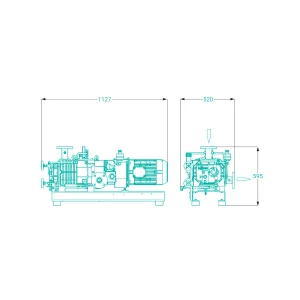 COBRA NC 0100 BPumping speed 110 m³/h 50 Hz130 m³/h 60 HzUltimate pressure 0.05 mbarRated motor power 3.5 kW 50 Hz4.8 kW 60 HzVariants 4
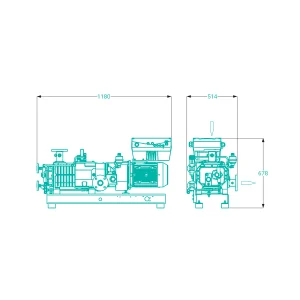 COBRA NC 0100 B ECOTORQUEPumping speed 130 m³/h 50 Hz130 m³/h 60 HzUltimate pressure 0.05 mbarRated motor power 4.8 kW 50 Hz4.8 kW 60 HzVariants
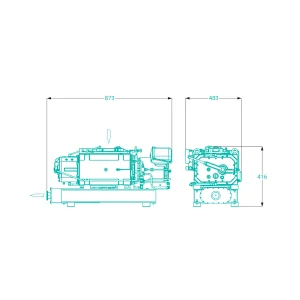 COBRA NS 0160 CPumping speed 135 m³/h 50 Hz170 m³/h 60 HzUltimate pressure 0.03 mbarRated motor power 5.5 kW 50 Hz6.6 kW 60 HzVariants
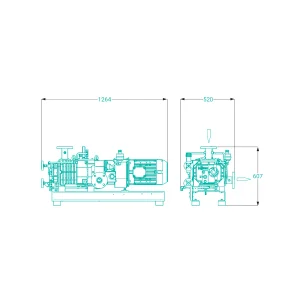 COBRA NC 0200 BPumping speed 220 m³/h 50 Hz265 m³/h 60 HzUltimate pressure 0.05 mbarRated motor power 6 kW 50 Hz7.6 kW 60 HzVariants 4
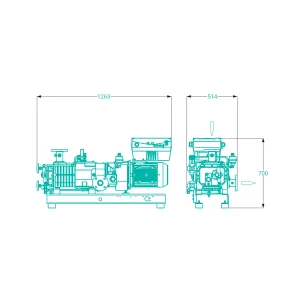 COBRA NC 0200 B ECOTORQUEPumping speed 265 m³/h 50 Hz265 m³/h 60 HzUltimate pressure 0.05 mbarRated motor power 7.6 kW 50 Hz7.6 kW 60 HzVariants
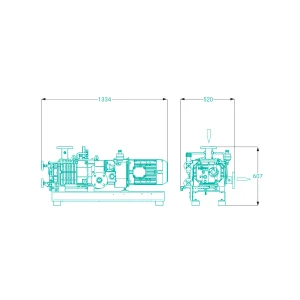 COBRA NC 0300 BPumping speed 320 m³/h 50 Hz385 m³/h 60 HzUltimate pressure 0.05 mbarRated motor power 7.5 kW 50 Hz9.5 kW 60 HzVariants 4
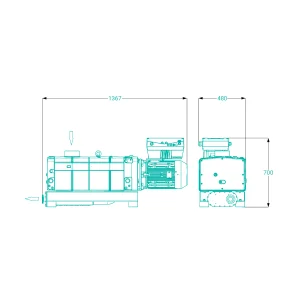 COBRA NC 0400 BPumping speed 350 m³/h 50 Hz420 m³/h 60 HzUltimate pressure 0.05 mbarRated motor power 7.5 kW 50 Hz9.5 kW 60 HzVariants
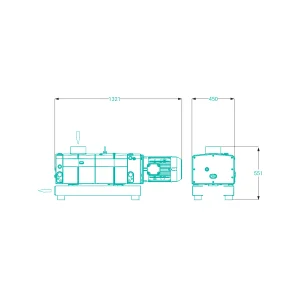 COBRA NX 0450 APumping speed 350 m³/h 50 Hz420 m³/h 60 HzUltimate pressure 0.1 mbarRated motor power 7.5 kW 50 Hz9.5 kW 60 HzVariants
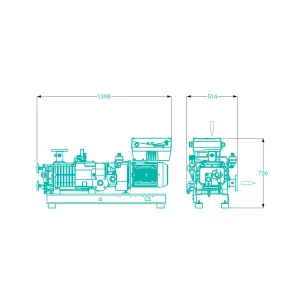 COBRA NC 0300 B ECOTORQUEPumping speed 385 m³/h 50 Hz385 m³/h 60 HzUltimate pressure 0.05 mbarRated motor power 9.5 kW 50 Hz9.5 kW 60 HzVariants
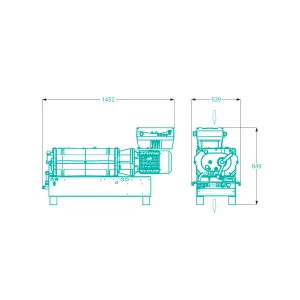 COBRA NC 0400 B ECOTORQUEPumping speed 420 m³/h 50 Hz420 m³/h 60 HzUltimate pressure 0.05 mbarRated motor power 9.5 kW 50 Hz9.5 kW 60 HzVariants
 COBRA NX 0450 A ECOTORQUEPumping speed 420 m³/h 50 Hz420 m³/h 60 HzUltimate pressure 0.1 mbarRated motor power 11 kW 50 Hz11 kW 60 HzVariants
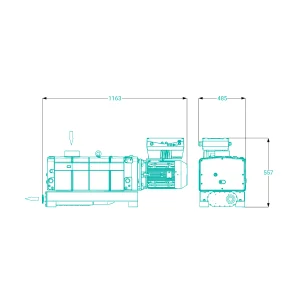 COBRA NC 0500 BPumping speed 490 m³/h 50 Hz490 m³/h 60 HzUltimate pressure 0.01 mbarRated motor power 9 kW 50 Hz9 kW 60 HzVariants
 COBRA NC 0630 C VRPumping speed 580 m³/h 50 Hz680 m³/h 60 HzUltimate pressure 25 mbarRated motor power 22 kW 50 Hz22 kW 60 HzVariants
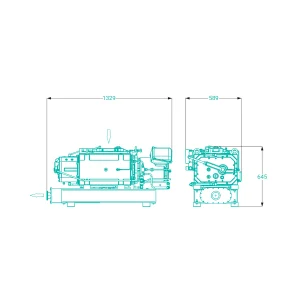 COBRA NS 0600 CPumping speed 600 m³/h 50 Hz600 m³/h 60 HzUltimate pressure 0.01 mbarRated motor power 15 kW 50 Hz15 kW 60 HzVariants
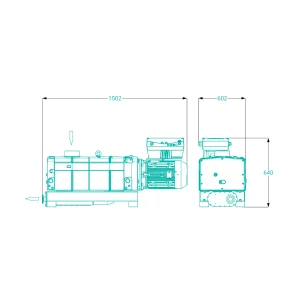 COBRA NC 0630 CPumping speed 630 m³/h 50 Hz630 m³/h 60 HzUltimate pressure 0.01 mbarRated motor power 15 kW 50 Hz17 kW 60 HzVariants
 COBRA NC 0630 C ECOTORQUEPumping speed 630 m³/h 50 Hz630 m³/h 60 HzUltimate pressure 0.01 mbarRated motor power 17 kW 50 Hz17 kW 60 HzVariants
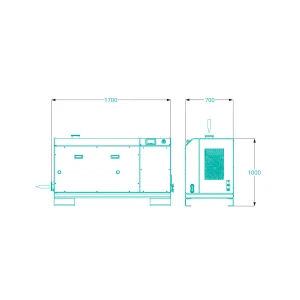 COBRA DX 0650 A PLUSPumping speed 650 m³/h 50 Hz650 m³/h 60 HzUltimate pressure 0.1 mbarRated motor power 15 kW 50 Hz15 kW 60 HzVariants
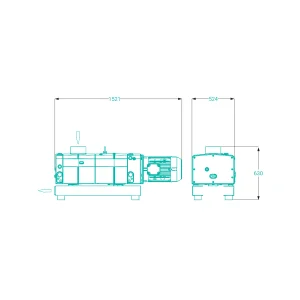 COBRA NX 0650 APumping speed 650 m³/h 50 Hz650 m³/h 60 HzUltimate pressure 0.1 mbarRated motor power 12.5 kW 50 Hz15 kW 60 HzVariants
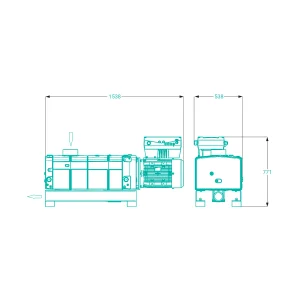 COBRA NX 0650 A ECOTORQUEPumping speed 650 m³/h 50 Hz650 m³/h 60 HzUltimate pressure 0.1 mbarRated motor power 15 kW 50 Hz15 kW 60 HzVariants
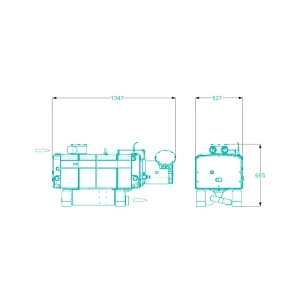 COBRA NF 0750 APumping speed 750 m³/h 50 Hz750 m³/h 60 HzUltimate pressure 0.05 mbarRated motor power 15 kW 50 Hz15 kW 60 HzVariants
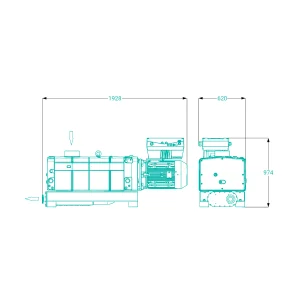 COBRA NC 1000 BPumping speed 840 m³/h 50 Hz1,000 m³/h 60 HzUltimate pressure 0.05 mbarRated motor power 22 kW 50 Hz25 kW 60 HzVariants
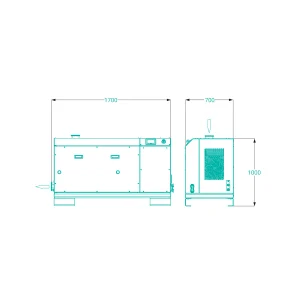 COBRA DX 0950 A PLUSPumping speed 950 m³/h 50 Hz950 m³/h 60 HzUltimate pressure 0.01 mbarRated motor power 18.5 kW 50 Hz18.5 kW 60 HzVariants
Busch DOLPHIN series 70 models
Busch MINK series 32 models
Busch PANDA/PUMA series 26 models
Busch R5 series 58 models
Busch SAMOS series 31 models
Leybold CLAWVAC series 5 models
Leybold DRYVAC series 9 models
Leybold DURADRY series 3 models
Leybold ECODRY series 5 models
Leybold NOVADRY series 4 models
Leybold RUVAC WA/WAU series 8 models
Leybold RUVAC WH/WHU series 7 models
Leybold RUVAC WS/WSU series 8 models
Leybold SCREWLINE series 2 models
Leybold SCROLLVAC series 5 models
Leybold SOGEVAC series 23 models
Leybold TRIVAC series 20 models
Pfeiffer Vacuum A 100/200 L series 3 models
Pfeiffer Vacuum ACP series 4 models
Pfeiffer Vacuum DuoVane series 12 models
Pfeiffer Vacuum HiLobe series 17 models
Pfeiffer Vacuum HiScroll series 4 models
No model matches these filters.
Busch COBRA Industry series 36 models
Busch DOLPHIN series 70 models
Busch MINK series 32 models
Busch PANDA/PUMA series 26 models
Busch R5 series 58 models
Busch SAMOS series 31 models
Leybold CLAWVAC series 5 models
Leybold DRYVAC series 9 models
Leybold DURADRY series 3 models
Leybold ECODRY series 5 models
Leybold NOVADRY series 4 models
Leybold RUVAC WA/WAU series 8 models
Leybold RUVAC WH/WHU series 7 models
Leybold RUVAC WS/WSU series 8 models
Leybold SCREWLINE series 2 models
Leybold SCROLLVAC series 5 models
Leybold SOGEVAC series 23 models
Leybold TRIVAC series 20 models
Pfeiffer Vacuum A 100/200 L series 3 models
Pfeiffer Vacuum ACP series 4 models
Pfeiffer Vacuum DuoVane series 12 models
Pfeiffer Vacuum HiLobe series 17 models
Pfeiffer Vacuum HiScroll series 4 models
Models a manufacturer no longer carries in its current range are listed in its “Outdated models” section.
Selection
Hydrogen and fuel cells: choosing a vacuum pump
What the manufacturers highlight for use in this industry.
Blower or vacuum pump?
In the fuel cell, Busch and Elmo Rietschle name blowers and low-pressure compressors: for hydrogen recirculation (Busch, MINK MH 0018 A, 20–70% of the inflow) and for the air and fuel gas supply (Elmo Rietschle). The manufacturers name vacuum pumps for drying, insulation vacuum, tanks and leak testing.
Explosion protection
Busch describes ATEX pumps that fill and empty hydrogen tanks, and names COBRA, DOLPHIN and R5. Where hydrogen can get into the pump, the version of the pump must be clarified in advance.
Ultimate pressure
For vacuum insulation, Leybold names 0.001 mbar with MLI and 0.05 mbar with perlite, and for vacuum drying screw pumps down to below 0.1 mbar. The ultimate pressure required decides the series.
Proving leak-tightness
For helium leak detection by spraying, Pfeiffer Vacuum names approx. 10⁻⁷ to 10⁻⁹ mbar·l/s – locating a leak, not measuring a leak rate. For hydrogen infrastructure, Leybold names leak detectors and residual gas analysers, and Pfeiffer names the leak testing of bipolar plates, stacks and the H₂ circuit.
Frequently asked questions
Hydrogen and fuel cells: frequently asked questions about vacuum pumps
Which vacuum pump for fuel cells?
In the fuel cell itself, the manufacturers name blowers: Busch the MINK MH 0018 A for hydrogen recirculation, Elmo Rietschle blowers and low-pressure compressors for the air and fuel gas supply and for anode gas recirculation. Edwards names vacuum for mixing, degassing, coating and stack leak testing, Pfeiffer Vacuum for the leak testing of bipolar plates and stacks, and Leybold for the PVD coating of bipolar plates.
What does a hydrogen recirculation blower do?
It returns excess hydrogen to the stack – according to Busch, 20–70% of the H₂ inflow. Busch names the MINK MH 0018 A for this and describes it as the first TÜV-certified H₂ recirculation blower. Elmo Rietschle names anode gas recirculation as a task of its blowers and low-pressure compressors.
How are fuel cell stacks and electrolysers tested for leak-tightness?
Pfeiffer Vacuum names the leak testing of bipolar plates, stacks, materials and the H₂ circuit and describes helium leak detection by spraying with approx. 10⁻⁷ to 10⁻⁹ mbar·l/s. Leybold names leak detectors and residual gas analysers, because pipelines, valves, vessels, electrolysers and fuel cells must be leak-tight. As pumps for leak detection and end-of-line testing, Pfeiffer names A 100/200 L, ACP, DuoVane, HiLobe and HiScroll, and Busch names COBRA, PANDA and R5.
How much vacuum does a vacuum-insulated hydrogen tank need?
For the double wall of cryogenic vessels, Leybold names 0.001 mbar with MLI and 0.05 mbar with perlite, and TRIVAC, SOGEVAC, VARODRY, SCREWLINE as well as DRYVAC with RUVAC for this. For the insulation spaces of double-walled tanks, Busch names scroll and turbo pumps without naming a family of its own.
Which vacuum pump for hydrogen tanks and distribution?
Busch describes ATEX pumps that fill and empty the tanks, and names COBRA, DOLPHIN and R5. For gas transport and liquefaction, Busch names COBRA, MINK, PANDA, PUMA and R5, and Pfeiffer Vacuum names ACP, DuoVane, HiLobe and HiScroll; for hydrogen storage, Pfeiffer names HiScroll.
Which vacuum pump for electrolysers?
Leybold names two tasks for electrolysers: leak testing – electrolysers, like pipelines, valves and vessels, must be leak-tight – and the PVD coating of electrolyser bipolar plates with protective and catalyst layers in a vacuum.
How is hydrogen dried by VPSA?
According to Leybold, in VPSA drying the sorbents are regenerated cyclically under vacuum; Leybold names SCREWLINE for this. For vacuum drying in general, Leybold names screw pumps down to below 0.1 mbar.
How is hydrogen separated from ammonia or methane?
Leybold describes the separation of hydrogen from carrier gases such as NH₃ and CH₄ by membrane: the vacuum on the permeate side drives the separation. Leybold refers to SOGEVAC B for this.
Which series do the manufacturers name for the hydrogen economy?
Busch names COBRA, PANDA/PUMA and R5, Pfeiffer Vacuum names A 100/200 L, ACP, DuoVane, HiLobe and HiScroll, and Leybold names SCREWLINE and SOGEVAC as well as leak detectors and residual gas analysers. For fuel cells, Elmo Rietschle names blowers and low-pressure compressors, and Edwards names mixing, degassing, coating and stack leak testing without a series.
Does Ehrler & Beck also supply spare parts and service?
Yes. Ehrler & Beck offers original spare parts and accessories as well as maintenance and repair.
Which pump suits your process?
Tell us the application, the medium and the number of machines – we advise you on selection, spare parts and service.
