

Application
Vacuum pumps for mass spectrometry and analytics
A mass spectrometer separates ions by their mass – this only works if they do not collide with gas molecules on their way. According to Leybold, the instruments work under vacuum, often with several chambers in different pressure ranges: from the inlet at a few 10 mbar to the TOF or Orbitrap analyser at 10⁻⁸ to below 10⁻¹⁰ mbar; according to Pfeiffer Vacuum, the turbo pump sits in the instrument and the backing pump stands outside. Below you can see how the application works, what vacuum the manufacturers name and which of their series are intended for it – 166 models from 4 manufacturers.
Compare 166 modelsHow it works
- 166Models
- 11Series
- 4Manufacturers
- 10⁻⁸ to below 10⁻¹⁰ mbarTOF / Orbitrap analyser (Leybold)
Touch the points: each part of the system explains itself.
In short
Mass spectrometry and analytics: the key facts
- Pressure stagesLeybold names several chambers in different pressure ranges: the inlet at a few 10 mbar, TOF and Orbitrap analysers at 10⁻⁸ to below 10⁻¹⁰ mbar; for the analyser in residual gas analysis, Pfeiffer Vacuum names a maximum of 10⁻⁴ hPa.
- IonisationFor ionisation, Edwards names 1 to 5 mbar and, as the task of the vacuum, removing interfering residual gas.
- Pumping systemAccording to Pfeiffer Vacuum, the turbo pump sits in the instrument (SplitFlow, HiPace) and the backing pump outside: HiScroll, SmartVane or DuoVane; Edwards names RV, E2M, Scroll, nXRi and nXLi.
- QuietFor the HiScroll, Pfeiffer Vacuum names below 47 dB – the backing pump stands outside the instrument.
Operating principle
How it works: Mass spectrometry and analytics
The drawing shows the basic principle in section. The systems and pumps of the individual manufacturers differ in detail.
- IonisingThe sample from GC, LC, ICP or MALDI is ionised in the ion source – according to Edwards at 1 to 5 mbar.
- TransportingThe ions pass through the pressure stages from the inlet at a few 10 mbar to the analyser (Leybold) – according to Pfeiffer Vacuum without collisions, that is, without colliding with gas molecules.
- AnalysingIn the analyser at 10⁻⁸ to below 10⁻¹⁰ mbar (Leybold, TOF / Orbitrap), the ions are separated by their mass; according to Edwards, the vacuum removes the interfering residual gas.
Vacuum and sizing
Mass spectrometry and analytics: how much vacuum is needed
What the manufacturers say about pressure, pumping speed and sizing.
What vacuum
Leybold: inlet at a few 10 mbar, TOF and Orbitrap analysers at 10⁻⁸ to below 10⁻¹⁰ mbar, several chambers in different pressure ranges. Edwards: ionisation at 1 to 5 mbar. Pfeiffer Vacuum: analyser in residual gas analysis at a maximum of 10⁻⁴ hPa. For surface analysis (XPS, AES, SIMS, FEM), Leybold names ultra-high vacuum against surface contamination.
Which pumps
The backing pump must match the turbo pump in the instrument (Pfeiffer Vacuum: turbo pump in the instrument, backing pump outside). Pfeiffer Vacuum names HiScroll, SmartVane and DuoVane, Edwards RV, E2M, Scroll, nXRi and nXLi, Leybold small dry pumps and oil-sealed pumps as well as SOGEVAC BI/DI for GC and LC, Busch COBRA and R5, Atlas Copco rotary vane vacuum pumps for analytics.
What the manufacturers point out
Edwards: remove interfering residual gas; in X-ray diffraction, avoid air scattering. Pfeiffer Vacuum: collision-free ion transport; the HiScroll at below 47 dB. Leybold: mass spectrometers often work with several pressure stages; according to its page, fields of use are the environment, food, newborn screening, diagnostics and medicines.
Related analytics
Residual gas analysis: according to Pfeiffer Vacuum, the gas composition in the vacuum is measured for contamination, leaks and outgassing, with an analyser at a maximum of 10⁻⁴ hPa; Edwards names nXRi and XDS for this. Surface analysis: Pfeiffer Vacuum names DuoVane, HiScroll and SmartVane, Leybold UHV against surface contamination. Sample preparation: Edwards XDS. X-ray diffraction: Edwards rotary vane vacuum pumps against air scattering.
Technology
Mass spectrometry and analytics: the vacuum pumps the manufacturers name
Listed are the series the manufacturer itself names for this application. “Show only …” sets the filter of the product overview.
Oil-lubricated rotary vane vacuum pumps
112 models · 0.75–1,800 m³/h
Screw vacuum pumps
36 models · 70–4,652 m³/h
Roots vacuum pumps
12 models · 30–200 m³/h
Scroll vacuum pumps
6 models · 6.1–43 m³/h
Atlas Copco names the application without naming a series for it.
Product overview
Mass spectrometry and analytics: all 166 models compared
Use the filters on the left to narrow the selection – by manufacturer, technology and the models’ key figures, for 50 or 60 Hz.
Busch COBRA Industry series 36 models
 COBRA NS 0070 CPumping speed 70 m³/h 50 Hz85 m³/h 60 HzUltimate pressure 0.03 mbarRated motor power 4 kW 50 Hz4.4 kW 60 HzVariants
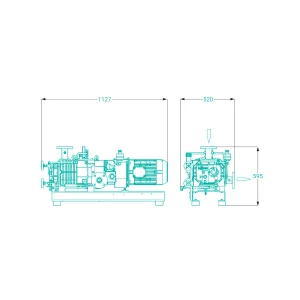 COBRA NC 0100 BPumping speed 110 m³/h 50 Hz130 m³/h 60 HzUltimate pressure 0.05 mbarRated motor power 3.5 kW 50 Hz4.8 kW 60 HzVariants 4
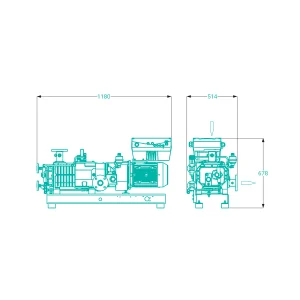 COBRA NC 0100 B ECOTORQUEPumping speed 130 m³/h 50 Hz130 m³/h 60 HzUltimate pressure 0.05 mbarRated motor power 4.8 kW 50 Hz4.8 kW 60 HzVariants
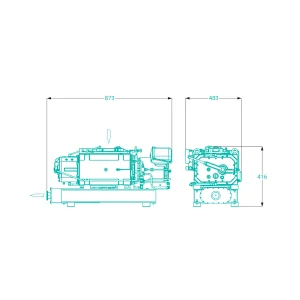 COBRA NS 0160 CPumping speed 135 m³/h 50 Hz170 m³/h 60 HzUltimate pressure 0.03 mbarRated motor power 5.5 kW 50 Hz6.6 kW 60 HzVariants
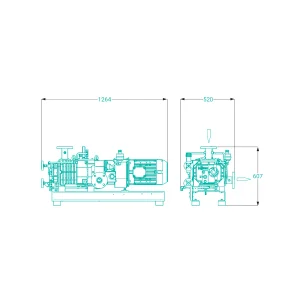 COBRA NC 0200 BPumping speed 220 m³/h 50 Hz265 m³/h 60 HzUltimate pressure 0.05 mbarRated motor power 6 kW 50 Hz7.6 kW 60 HzVariants 4
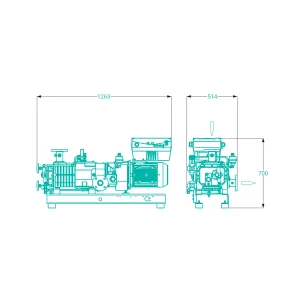 COBRA NC 0200 B ECOTORQUEPumping speed 265 m³/h 50 Hz265 m³/h 60 HzUltimate pressure 0.05 mbarRated motor power 7.6 kW 50 Hz7.6 kW 60 HzVariants
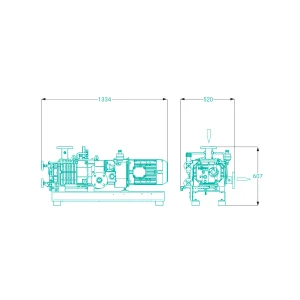 COBRA NC 0300 BPumping speed 320 m³/h 50 Hz385 m³/h 60 HzUltimate pressure 0.05 mbarRated motor power 7.5 kW 50 Hz9.5 kW 60 HzVariants 4
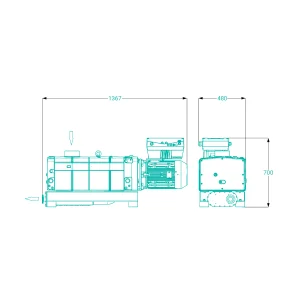 COBRA NC 0400 BPumping speed 350 m³/h 50 Hz420 m³/h 60 HzUltimate pressure 0.05 mbarRated motor power 7.5 kW 50 Hz9.5 kW 60 HzVariants
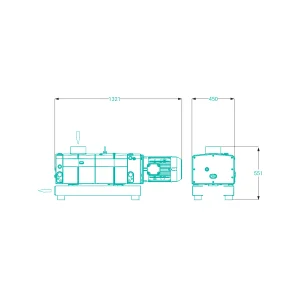 COBRA NX 0450 APumping speed 350 m³/h 50 Hz420 m³/h 60 HzUltimate pressure 0.1 mbarRated motor power 7.5 kW 50 Hz9.5 kW 60 HzVariants
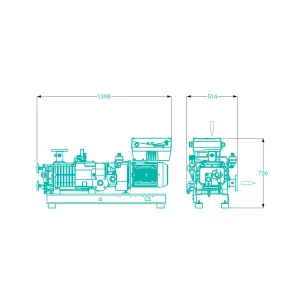 COBRA NC 0300 B ECOTORQUEPumping speed 385 m³/h 50 Hz385 m³/h 60 HzUltimate pressure 0.05 mbarRated motor power 9.5 kW 50 Hz9.5 kW 60 HzVariants
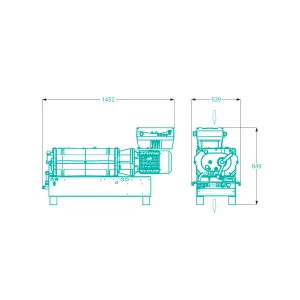 COBRA NC 0400 B ECOTORQUEPumping speed 420 m³/h 50 Hz420 m³/h 60 HzUltimate pressure 0.05 mbarRated motor power 9.5 kW 50 Hz9.5 kW 60 HzVariants
 COBRA NX 0450 A ECOTORQUEPumping speed 420 m³/h 50 Hz420 m³/h 60 HzUltimate pressure 0.1 mbarRated motor power 11 kW 50 Hz11 kW 60 HzVariants
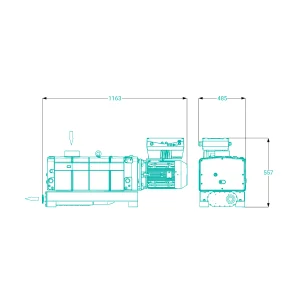 COBRA NC 0500 BPumping speed 490 m³/h 50 Hz490 m³/h 60 HzUltimate pressure 0.01 mbarRated motor power 9 kW 50 Hz9 kW 60 HzVariants
 COBRA NC 0630 C VRPumping speed 580 m³/h 50 Hz680 m³/h 60 HzUltimate pressure 25 mbarRated motor power 22 kW 50 Hz22 kW 60 HzVariants
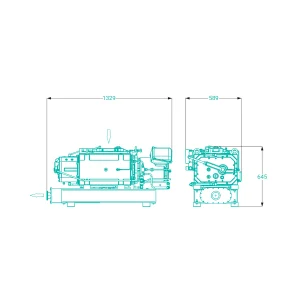 COBRA NS 0600 CPumping speed 600 m³/h 50 Hz600 m³/h 60 HzUltimate pressure 0.01 mbarRated motor power 15 kW 50 Hz15 kW 60 HzVariants
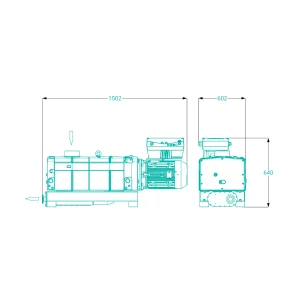 COBRA NC 0630 CPumping speed 630 m³/h 50 Hz630 m³/h 60 HzUltimate pressure 0.01 mbarRated motor power 15 kW 50 Hz17 kW 60 HzVariants
 COBRA NC 0630 C ECOTORQUEPumping speed 630 m³/h 50 Hz630 m³/h 60 HzUltimate pressure 0.01 mbarRated motor power 17 kW 50 Hz17 kW 60 HzVariants
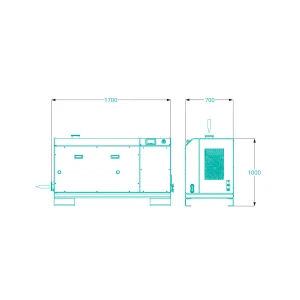 COBRA DX 0650 A PLUSPumping speed 650 m³/h 50 Hz650 m³/h 60 HzUltimate pressure 0.1 mbarRated motor power 15 kW 50 Hz15 kW 60 HzVariants
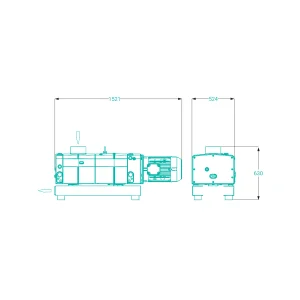 COBRA NX 0650 APumping speed 650 m³/h 50 Hz650 m³/h 60 HzUltimate pressure 0.1 mbarRated motor power 12.5 kW 50 Hz15 kW 60 HzVariants
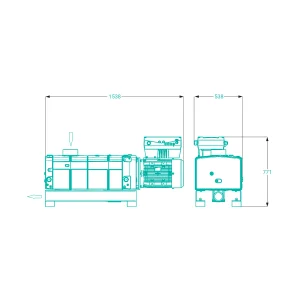 COBRA NX 0650 A ECOTORQUEPumping speed 650 m³/h 50 Hz650 m³/h 60 HzUltimate pressure 0.1 mbarRated motor power 15 kW 50 Hz15 kW 60 HzVariants
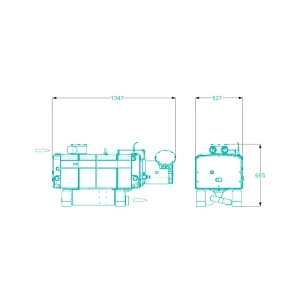 COBRA NF 0750 APumping speed 750 m³/h 50 Hz750 m³/h 60 HzUltimate pressure 0.05 mbarRated motor power 15 kW 50 Hz15 kW 60 HzVariants
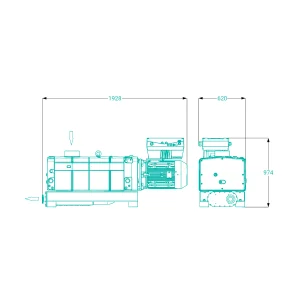 COBRA NC 1000 BPumping speed 840 m³/h 50 Hz1,000 m³/h 60 HzUltimate pressure 0.05 mbarRated motor power 22 kW 50 Hz25 kW 60 HzVariants
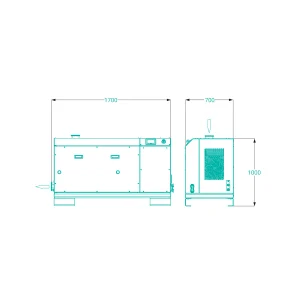 COBRA DX 0950 A PLUSPumping speed 950 m³/h 50 Hz950 m³/h 60 HzUltimate pressure 0.01 mbarRated motor power 18.5 kW 50 Hz18.5 kW 60 HzVariants
Busch R5 series 58 models
Edwards E2M series 9 models
Edwards nXLi series 7 models
Edwards nXRi series 5 models
Edwards RV series 8 models
Edwards XDS series 2 models
Leybold SOGEVAC series 23 models
Pfeiffer Vacuum DuoVane series 12 models
Pfeiffer Vacuum HiScroll series 4 models
Pfeiffer Vacuum SmartVane series 2 models
No model matches these filters.
Busch COBRA Industry series 36 models
Busch R5 series 58 models
Edwards E2M series 9 models
Edwards nXLi series 7 models
Edwards nXRi series 5 models
Edwards RV series 8 models
Edwards XDS series 2 models
Leybold SOGEVAC series 23 models
Pfeiffer Vacuum DuoVane series 12 models
Pfeiffer Vacuum HiScroll series 4 models
Pfeiffer Vacuum SmartVane series 2 models
Models a manufacturer no longer carries in its current range are listed in its “Outdated models” section.
Industries
Mass spectrometry and analytics: where the manufacturers name it
The manufacturers list these uses on their own pages.
Research, laboratory and analytics
Busch, Edwards, Leybold and Pfeiffer Vacuum name mass spectrometry for research, laboratory and analytics: Busch with COBRA and R5, Edwards for GC-MS, LC-MS, ICP-MS and MALDI with RV, E2M, Scroll, nXRi and nXLi, Leybold with several pressure stages down to the range of 10⁻⁸ to below 10⁻¹⁰ mbar, Pfeiffer Vacuum with HiScroll, SmartVane and DuoVane.
Medical and healthcare
Pfeiffer Vacuum also names mass spectrometry for medicine, with DuoVane, HiScroll and SmartVane; on its page, Leybold names diagnostics and newborn screening as fields of use.
Pharmaceuticals and biotechnology
Pfeiffer Vacuum lists mass spectrometry for pharmaceuticals and biotechnology; Leybold names medicines as a field of use for mass spectrometers.
Semiconductors, electronics and displays
Pfeiffer Vacuum also lists mass spectrometry for semiconductors, electronics and displays without describing its use there in more detail; as related analytics, it describes residual gas analysis, which checks the gas composition in the vacuum for contamination, leaks and outgassing.
Energy
Pfeiffer Vacuum also lists mass spectrometry among its solutions for the energy industry without describing its use there in more detail.
Frequently asked questions
Mass spectrometry and analytics: frequently asked questions
Why does a mass spectrometer need vacuum?
According to Pfeiffer Vacuum, the ions must pass through the instrument without collisions, and according to Edwards, the vacuum removes the interfering residual gas. According to Leybold, mass spectrometers therefore work under vacuum, often with several chambers in different pressure ranges.
How much vacuum does a mass spectrometer need?
Leybold names several pressure stages: the inlet at a few 10 mbar, TOF and Orbitrap analysers at 10⁻⁸ to below 10⁻¹⁰ mbar. Edwards names 1 to 5 mbar for ionisation, Pfeiffer Vacuum a maximum of 10⁻⁴ hPa for the analyser in residual gas analysis.
Which vacuum pump for a mass spectrometer?
According to Pfeiffer Vacuum, the high vacuum is generated by a turbo pump in the instrument (SplitFlow, HiPace), and the backing pump stands outside: Pfeiffer Vacuum names HiScroll, SmartVane and DuoVane, Edwards RV, E2M, Scroll, nXRi and nXLi, Leybold TURBOVAC i with small dry pumps or oil-sealed pumps, Busch COBRA and R5, Atlas Copco rotary vane vacuum pumps for analytics.
Which backing pump for the turbo pump in a mass spectrometer?
For the SplitFlow and HiPace turbo pumps, Pfeiffer Vacuum names the external backing pumps HiScroll, SmartVane and DuoVane for mass spectrometry; Edwards names RV, E2M, Scroll, nXRi and nXLi; Leybold small dry pumps or oil-sealed pumps behind the TURBOVAC i.
Oil-free or oil-lubricated for mass spectrometry?
Both are named. Leybold names small dry pumps and oil-sealed pumps side by side; Edwards the oil-lubricated rotary vane vacuum pumps RV and E2M alongside Scroll, nXRi and nXLi; Pfeiffer Vacuum the scroll vacuum pump HiScroll alongside the rotary vane vacuum pumps DuoVane and SmartVane; Busch R5 alongside COBRA; Atlas Copco rotary vane vacuum pumps. For surface analysis in ultra-high vacuum, Leybold names protection against surface contamination as a requirement.
Which vacuum pump for GC-MS and LC-MS?
For GC-MS, LC-MS, ICP-MS and MALDI, Edwards names RV, E2M, Scroll, nXRi and nXLi; for GC-MS, LC-MS, TOF-MS, ICP-MS and MALDI-MS, Pfeiffer Vacuum names HiScroll, SmartVane and DuoVane. For gas and liquid chromatography itself, Leybold lists the SOGEVAC BI/DI without describing them.
How loud is the vacuum pump on a mass spectrometer?
For the HiScroll, Pfeiffer Vacuum names below 47 dB; according to Pfeiffer Vacuum, the backing pump stands outside next to the instrument, that is, in the laboratory.
What is residual gas analysis and what vacuum does it need?
In residual gas analysis, according to Pfeiffer Vacuum, the gas composition in the vacuum is measured – for contamination, leaks and outgassing – with an analyser at a maximum of 10⁻⁴ hPa (Pfeiffer Vacuum names PrismaPro, HiQuad Neo, HiCube Neo RGA and OmniStar, which are not in our range). Edwards names nXRi and XDS for residual gas analysis.
Which vacuum pump for surface analysis (XPS, SIMS)?
For XPS, AES, SIMS and FEM, Leybold names ultra-high vacuum against surface contamination without naming a series; Pfeiffer Vacuum names DuoVane, HiScroll and SmartVane for surface analysis.
Which vacuum pump for X-ray diffraction and sample preparation?
For X-ray diffraction, Edwards names rotary vane vacuum pumps, which avoid air scattering, and for sample preparation the scroll vacuum pump XDS.
A single pump or a central vacuum system?
A central system in a room of its own keeps noise and heat away from production and matches its output to the demand. Central vacuum systems are planned and built by Eugen Theis Vakuum, a company of the Ehrler & Beck group – more under Central Vacuum.
Does Ehrler & Beck also supply spare parts and service?
Yes. Ehrler & Beck offers original spare parts and accessories as well as maintenance and repair.
Which pump suits your process?
Tell us the application, the medium and the volume – we advise you on selection, spare parts and service.
