

Application
Vacuum pumps for vacuum brazing
In vacuum brazing, metal parts are joined with a filler metal in a vacuum furnace. The vacuum removes the oxygen from the joint – Edwards describes the process as joining without O₂ – and, according to Pfeiffer Vacuum, it ensures degassing, wetting and a void-free brazed joint. Below you can see how the application works, what vacuum the manufacturers name and which of their series are intended for it – 175 models from 5 manufacturers.
Compare 175 modelsHow it works
- 175Models
- 9Series
- 5Manufacturers
- 10⁻⁵–10⁻⁶ hPaHigh-vacuum brazing (Pfeiffer Vacuum)
Touch the points: each part of the system explains itself.
In short
Vacuum brazing: the key facts
- Without oxygenEdwards describes vacuum brazing as joining without O₂ and names EDS and EXS for it.
- High vacuumFor high-vacuum brazing, Pfeiffer Vacuum names 10⁻⁵ to 10⁻⁶ hPa – for degassing, wetting and a void-free brazed joint.
- Flux vapoursLeybold points out that flux vapours attack oil, and names DRYVAC and VARODRY for vacuum brazing.
- Series namedBusch names COBRA, PANDA/PUMA and R5 (in the product finder), Pfeiffer Vacuum DuoVane and HiLobe, Atlas Copco DWS for brazing.
Operating principle
How it works: Vacuum brazing
The drawing shows the basic principle in section. The systems and pumps of the individual manufacturers differ in detail.
- EvacuationThe loaded furnace is pumped down until there is no more oxygen at the joint – Edwards describes vacuum brazing as joining without O₂.
- HeatingThe parts are heated above the melting temperature of the filler metal. According to Pfeiffer Vacuum, the joint degasses, the filler metal wets the surfaces and the brazed joint becomes free of voids.
- CoolingAfter the holding time, the filler metal solidifies, the furnace cools down and is vented. The valve to the pump closes before air flows into the furnace.
Vacuum and sizing
Vacuum brazing: how much vacuum is needed
What the manufacturers say about pressure, pumping speed and sizing.
Which vacuum
For high-vacuum brazing, Pfeiffer Vacuum names 10⁻⁵ to 10⁻⁶ hPa.
Vapours
Leybold points out that flux vapours attack oil, and names DRYVAC and VARODRY for vacuum brazing. Edwards names EDS and EXS for joining without O₂.
Which pumps
Busch names COBRA and PANDA/PUMA for brazing, and in its product finder COBRA, PANDA/PUMA and R5 for vacuum brazing. Pfeiffer Vacuum names DuoVane and HiLobe as well as the COMBI family, Atlas Copco DWS for brazing.
Technology
Vacuum brazing: the vacuum pumps the manufacturers name
Listed are the series the manufacturer itself names for this application. “Show only …” sets the filter of the product overview.
Oil-lubricated rotary vane vacuum pumps
70 models · 1.25–1,800 m³/h
Screw vacuum pumps
62 models · 70–5,760 m³/h
Roots vacuum pumps
43 models · 250–13,540 m³/h
Product overview
Vacuum brazing: all 175 models compared
Use the filters on the left to narrow the selection – by manufacturer, technology and the models’ key figures, for 50 or 60 Hz.
Atlas Copco DWS series 3 models
Busch COBRA Industry series 36 models
 COBRA NS 0070 CPumping speed 70 m³/h 50 Hz85 m³/h 60 HzUltimate pressure 0.03 mbarRated motor power 4 kW 50 Hz4.4 kW 60 HzVariants
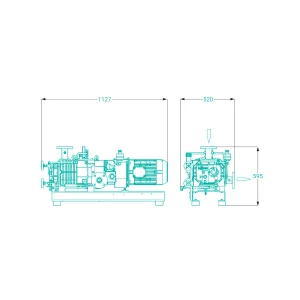 COBRA NC 0100 BPumping speed 110 m³/h 50 Hz130 m³/h 60 HzUltimate pressure 0.05 mbarRated motor power 3.5 kW 50 Hz4.8 kW 60 HzVariants 4
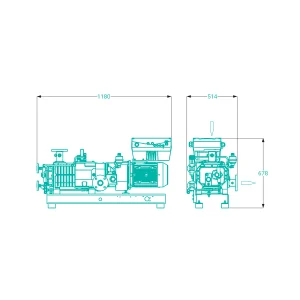 COBRA NC 0100 B ECOTORQUEPumping speed 130 m³/h 50 Hz130 m³/h 60 HzUltimate pressure 0.05 mbarRated motor power 4.8 kW 50 Hz4.8 kW 60 HzVariants
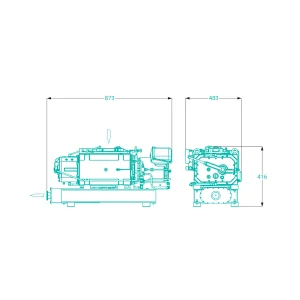 COBRA NS 0160 CPumping speed 135 m³/h 50 Hz170 m³/h 60 HzUltimate pressure 0.03 mbarRated motor power 5.5 kW 50 Hz6.6 kW 60 HzVariants
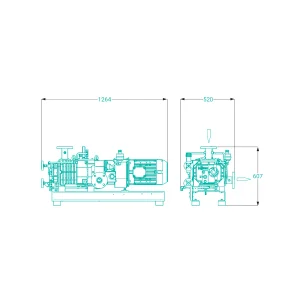 COBRA NC 0200 BPumping speed 220 m³/h 50 Hz265 m³/h 60 HzUltimate pressure 0.05 mbarRated motor power 6 kW 50 Hz7.6 kW 60 HzVariants 4
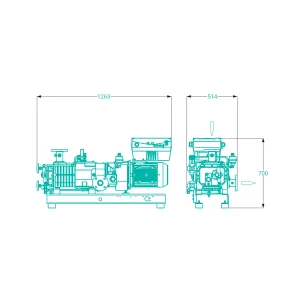 COBRA NC 0200 B ECOTORQUEPumping speed 265 m³/h 50 Hz265 m³/h 60 HzUltimate pressure 0.05 mbarRated motor power 7.6 kW 50 Hz7.6 kW 60 HzVariants
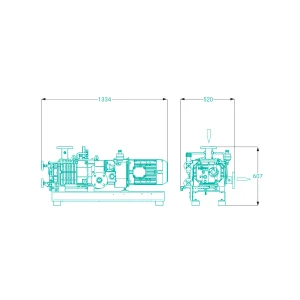 COBRA NC 0300 BPumping speed 320 m³/h 50 Hz385 m³/h 60 HzUltimate pressure 0.05 mbarRated motor power 7.5 kW 50 Hz9.5 kW 60 HzVariants 4
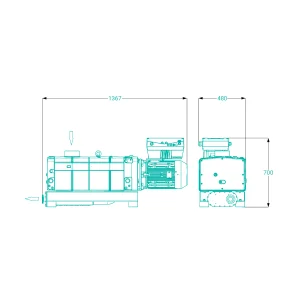 COBRA NC 0400 BPumping speed 350 m³/h 50 Hz420 m³/h 60 HzUltimate pressure 0.05 mbarRated motor power 7.5 kW 50 Hz9.5 kW 60 HzVariants
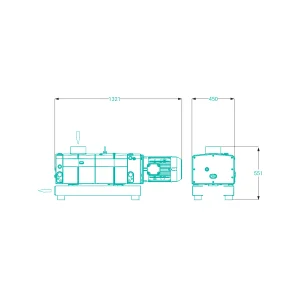 COBRA NX 0450 APumping speed 350 m³/h 50 Hz420 m³/h 60 HzUltimate pressure 0.1 mbarRated motor power 7.5 kW 50 Hz9.5 kW 60 HzVariants
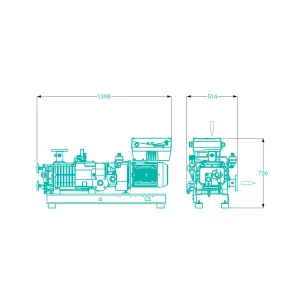 COBRA NC 0300 B ECOTORQUEPumping speed 385 m³/h 50 Hz385 m³/h 60 HzUltimate pressure 0.05 mbarRated motor power 9.5 kW 50 Hz9.5 kW 60 HzVariants
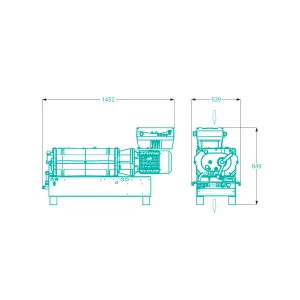 COBRA NC 0400 B ECOTORQUEPumping speed 420 m³/h 50 Hz420 m³/h 60 HzUltimate pressure 0.05 mbarRated motor power 9.5 kW 50 Hz9.5 kW 60 HzVariants
 COBRA NX 0450 A ECOTORQUEPumping speed 420 m³/h 50 Hz420 m³/h 60 HzUltimate pressure 0.1 mbarRated motor power 11 kW 50 Hz11 kW 60 HzVariants
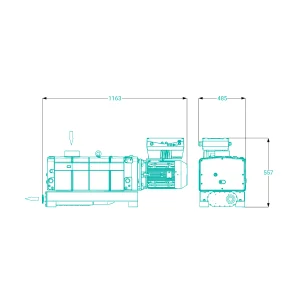 COBRA NC 0500 BPumping speed 490 m³/h 50 Hz490 m³/h 60 HzUltimate pressure 0.01 mbarRated motor power 9 kW 50 Hz9 kW 60 HzVariants
 COBRA NC 0630 C VRPumping speed 580 m³/h 50 Hz680 m³/h 60 HzUltimate pressure 25 mbarRated motor power 22 kW 50 Hz22 kW 60 HzVariants
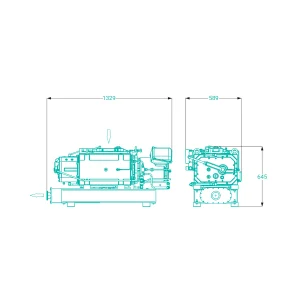 COBRA NS 0600 CPumping speed 600 m³/h 50 Hz600 m³/h 60 HzUltimate pressure 0.01 mbarRated motor power 15 kW 50 Hz15 kW 60 HzVariants
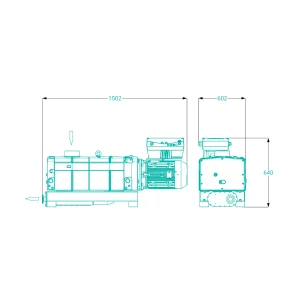 COBRA NC 0630 CPumping speed 630 m³/h 50 Hz630 m³/h 60 HzUltimate pressure 0.01 mbarRated motor power 15 kW 50 Hz17 kW 60 HzVariants
 COBRA NC 0630 C ECOTORQUEPumping speed 630 m³/h 50 Hz630 m³/h 60 HzUltimate pressure 0.01 mbarRated motor power 17 kW 50 Hz17 kW 60 HzVariants
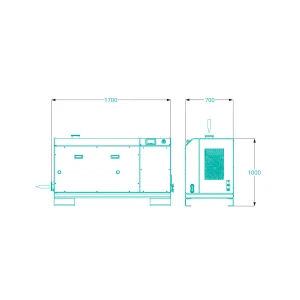 COBRA DX 0650 A PLUSPumping speed 650 m³/h 50 Hz650 m³/h 60 HzUltimate pressure 0.1 mbarRated motor power 15 kW 50 Hz15 kW 60 HzVariants
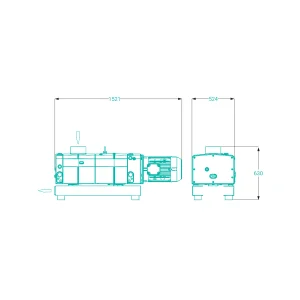 COBRA NX 0650 APumping speed 650 m³/h 50 Hz650 m³/h 60 HzUltimate pressure 0.1 mbarRated motor power 12.5 kW 50 Hz15 kW 60 HzVariants
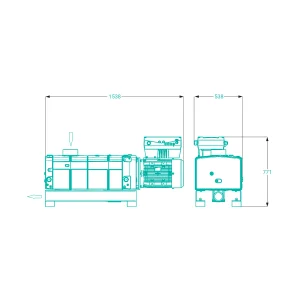 COBRA NX 0650 A ECOTORQUEPumping speed 650 m³/h 50 Hz650 m³/h 60 HzUltimate pressure 0.1 mbarRated motor power 15 kW 50 Hz15 kW 60 HzVariants
Busch PANDA/PUMA series 26 models
Busch R5 series 58 models
Edwards EDS series 3 models
Edwards EXS series 11 models
Leybold DRYVAC series 9 models
Pfeiffer Vacuum DuoVane series 12 models
Pfeiffer Vacuum HiLobe series 17 models
No model matches these filters.
Atlas Copco DWS series 3 models
Busch COBRA Industry series 36 models
Busch PANDA/PUMA series 26 models
Busch R5 series 58 models
Edwards EDS series 3 models
Edwards EXS series 11 models
Leybold DRYVAC series 9 models
Pfeiffer Vacuum DuoVane series 12 models
Pfeiffer Vacuum HiLobe series 17 models
Models a manufacturer no longer carries in its current range are listed in its “Outdated models” section.
Industries
Vacuum brazing: where the manufacturers name it
The manufacturers list these uses on their own pages.
Metallurgy and heat treatment
Busch, Edwards, Leybold and Pfeiffer Vacuum list vacuum brazing under metallurgy and heat treatment – as joining with filler metal in a vacuum furnace without oxygen.
Frequently asked questions
Vacuum brazing: frequently asked questions
How does vacuum brazing work?
The parts are placed in the furnace with the filler metal, the furnace is evacuated and then heated above the melting temperature of the filler metal. Edwards describes this as joining without O₂. According to Pfeiffer Vacuum, the joint degasses under vacuum, the filler metal wets the surfaces and the brazed joint stays free of voids.
How much vacuum is needed for vacuum brazing?
For high-vacuum brazing, Pfeiffer Vacuum names 10⁻⁵ to 10⁻⁶ hPa.
Which vacuum pump for vacuum brazing?
Leybold names DRYVAC and VARODRY, Edwards EDS and EXS, Busch COBRA and PANDA/PUMA and, in its product finder, R5, Pfeiffer Vacuum DuoVane and HiLobe as well as the COMBI family. Atlas Copco names DWS for brazing.
Oil-free or oil-lubricated for vacuum brazing?
Leybold points out that flux vapours attack oil, and names DRYVAC and VARODRY for vacuum brazing – vacuum pumps without oil in the pump chamber. Edwards names EDS and EXS, Busch R5 alongside COBRA and PANDA/PUMA, Pfeiffer Vacuum DuoVane alongside HiLobe; which design suits in the individual case depends on whether flux vapours occur.
Why braze in a vacuum?
Because no oxygen reaches the hot joint. Edwards names joining without O₂, Pfeiffer Vacuum the degassing of the joint, wetting by the filler metal and a void-free brazed joint as the result.
What is high-vacuum brazing?
This is what Pfeiffer Vacuum calls brazing at 10⁻⁵ to 10⁻⁶ hPa. At this pressure, the joint degasses, the filler metal wets and the brazed joint becomes free of voids. In its product finder, Pfeiffer Vacuum lists DuoVane and HiLobe as well as the COMBI family for vacuum brazing.
What can be done if flux vapours attack the vacuum pump?
Leybold points out exactly this: flux vapours attack oil. For vacuum brazing, Leybold therefore names DRYVAC and VARODRY. In addition, vapours and particles are retained in a separator or filter upstream of the pump.
Which series does Busch name for vacuum brazing?
On its metallurgy page, Busch names COBRA and PANDA/PUMA for brazing, without describing the process in more detail. The product finder lists COBRA, PANDA/PUMA and R5 for vacuum brazing.
Which vacuum pump for brazing?
Atlas Copco names DWS for brazing, without describing the process. Otherwise, the details given by the other manufacturers apply to vacuum brazing in a furnace: Leybold DRYVAC and VARODRY, Edwards EDS and EXS, Busch COBRA, PANDA/PUMA and R5, Pfeiffer Vacuum DuoVane and HiLobe.
A single pump or a central vacuum system?
A central system in a room of its own keeps noise and heat away from production and matches its output to the demand. Central vacuum systems are planned and built by Eugen Theis Vakuum, a company of the Ehrler & Beck group – more under Central Vacuum.
Does Ehrler & Beck also supply spare parts and service?
Yes. Ehrler & Beck offers original spare parts and accessories as well as maintenance and repair.
Which pump suits your process?
Tell us the application, the medium and the volume – we advise you on selection, spare parts and service.
