

Application
Vacuum pumps for milking systems
In a milking system, a vacuum pump generates the negative pressure that draws the milk from the udder; according to Busch, the vacuum is applied in pulses at the teat cup. The milk is separated from the vacuum in the separator before the air reaches the pump. Below you can see how the application works, what vacuum the manufacturers name and which of their series are intended for it – 111 models from 2 manufacturers.
Compare 111 modelsHow it works
- 111Models
- 4Series
- 2Manufacturers
- 2Industries
Touch the points: each part of the system explains itself.
In short
Milking: the key facts
- Pulsating vacuumBusch describes milking as a pulsating vacuum at the teat cup and names the claw vacuum pump MINK and the rotary lobe blower TYR for it.
- Further seriesIn its product finder, Busch also lists DOLPHIN, MINK and R5 for milking; products of the R5 series are assigned to milking there.
- Dry claw pumpLeybold lists the dry claw vacuum pump CLAWVAC for dairy products and names milking as an example, without describing it.
- SizingThe sizing depends on the number of milking points and on the pipe network of the system.
Operating principle
How it works: Milking
The drawing shows the basic principle in section. The systems and pumps of the individual manufacturers differ in detail.
- AttachingThe teat cups are attached; the negative pressure in the network holds them on the teat.
- PulsatingAccording to Busch, the vacuum is applied in pulses at the teat cup; alternately it draws off the milk and relieves the teat.
- SeparatingMilk and air reach the separator; the milk is pumped off, and the air goes via the filter and control valve to the vacuum pump.
Vacuum and sizing
Milking: how much vacuum is needed
What the manufacturers say about pressure, pumping speed and sizing.
What vacuum
How much pumping speed a system needs depends on the number of milking points and on the leakage air in the pipe network.
Which pumps
Busch names MINK and TYR for the pulsating vacuum at the teat cup, and in its product finder DOLPHIN, MINK and R5; Leybold lists CLAWVAC for dairy products, including milking.
Technology
Milking: the vacuum pumps the manufacturers name
Listed are the series the manufacturer itself names for this application. “Show only …” sets the filter of the product overview.
Oil-lubricated rotary vane vacuum pumps
58 models · 3–1,800 m³/h
Claw vacuum pumps
37 models · 18–1,150 m³/h
Rotary lobe blowers
16 models · 535–4,000 m³/h
Product overview
Milking: all 111 models compared
Use the filters on the left to narrow the selection – by manufacturer, technology and the models’ key figures, for 50 or 60 Hz.
Busch MINK series 32 models
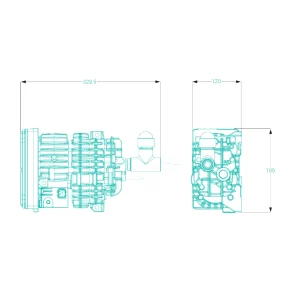 MINK MB 0018 APumping speed 18 m³/h 50 Hz18 m³/h 60 HzUltimate pressure 600 mbarRated motor power 0.5 kW 50 Hz0.5 kW 60 HzVariants 2
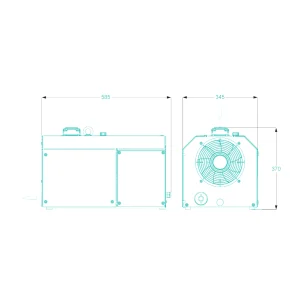 MINK MV 0040 E ECOTORQUEPumping speed 40 m³/h 50 Hz40 m³/h 60 HzUltimate pressure 40 mbarRated motor power Variants
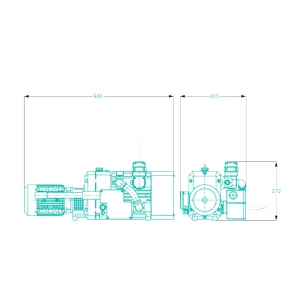 MINK MI 2124 BVPumping speed 50 m³/h 50 Hz60 m³/h 60 HzUltimate pressure 20 mbarRated motor power 2 kW 50 Hz2.4 kW 60 HzVariants
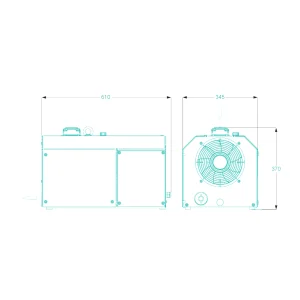 MINK MV 0060 E ECOTORQUEPumping speed 60 m³/h 50 Hz60 m³/h 60 HzUltimate pressure 40 mbarRated motor power Variants
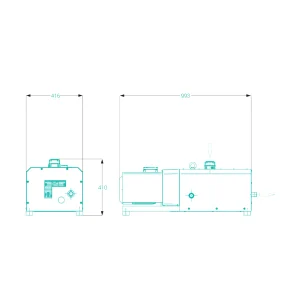 MINK MM 0084 APumping speed 62 m³/h 50 Hz75 m³/h 60 HzUltimate pressure 60 mbarRated motor power 1.5 kW 50 Hz1.7 kW 60 HzVariants
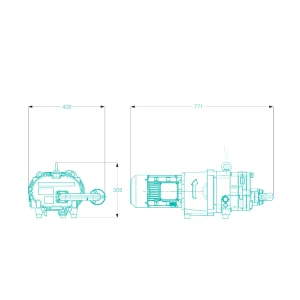 MINK MM 1104 CVMPumping speed 62 m³/h 50 HzUltimate pressure 400 mbarRated motor power 1.3 kW 50 HzVariants
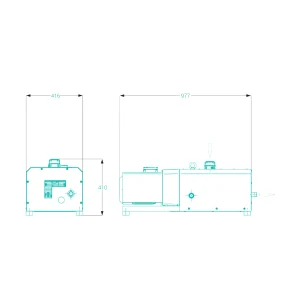 MINK MM 0104 APumping speed 80 m³/h 50 Hz95 m³/h 60 HzUltimate pressure 60 mbarRated motor power 2.2 kW 50 Hz2.4 kW 60 HzVariants
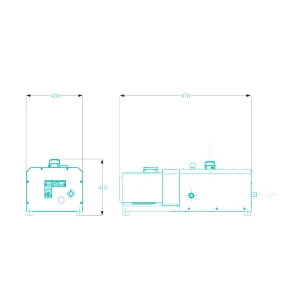 MINK MM 1144 BVPumping speed 80 m³/h 50 Hz95 m³/h 60 HzUltimate pressure 60 mbarRated motor power 2.2 kW 50 Hz2.4 kW 60 HzVariants 9
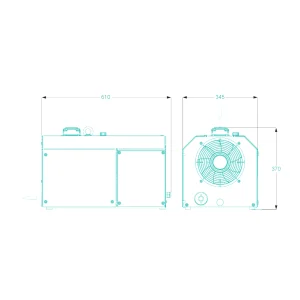 MINK MV 0080 E ECOTORQUEPumping speed 80 m³/h 50 Hz80 m³/h 60 HzUltimate pressure 40 mbarRated motor power Variants
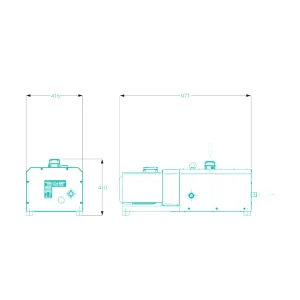 MINK MM 0142 APumping speed 110 m³/h 50 Hz135 m³/h 60 HzUltimate pressure 40 mbarRated motor power 3 kW 50 Hz3.4 kW 60 HzVariants
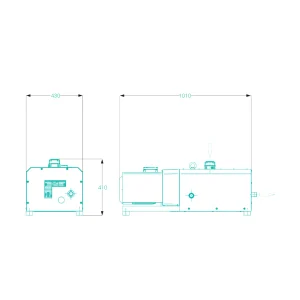 MINK MM 1102 BVPumping speed 110 m³/h 50 Hz135 m³/h 60 HzUltimate pressure 60 mbarRated motor power 3 kW 50 Hz3.4 kW 60 HzVariants 6
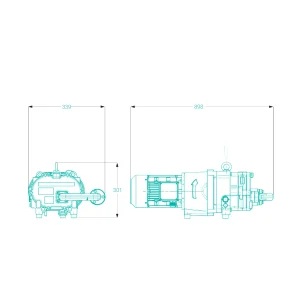 MINK MM 1102 CVMPumping speed 110 m³/h 50 HzUltimate pressure 400 mbarRated motor power 2.2 kW 50 HzVariants
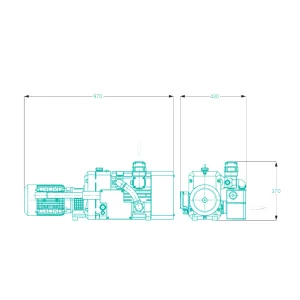 MINK MI 2122 BVPumping speed 120 m³/h 50 Hz145 m³/h 60 HzUltimate pressure 20 mbarRated motor power 5.1 kW 50 Hz6.8 kW 60 HzVariants
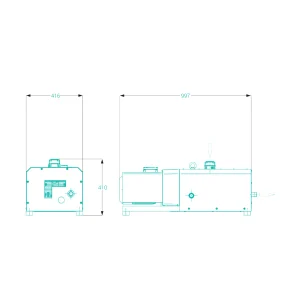 MINK MM 0182 APumping speed 140 m³/h 50 Hz175 m³/h 60 HzUltimate pressure 40 mbarRated motor power 3.5 kW 50 Hz4.8 kW 60 HzVariants
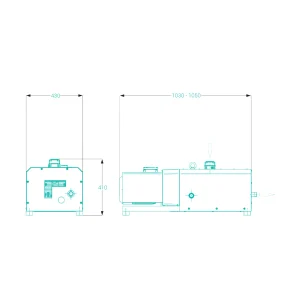 MINK MM 1142 BVPumping speed 140 m³/h 50 Hz175 m³/h 60 HzUltimate pressure 60 mbarRated motor power 3.5 kW 50 Hz4.8 kW 60 HzVariants 13
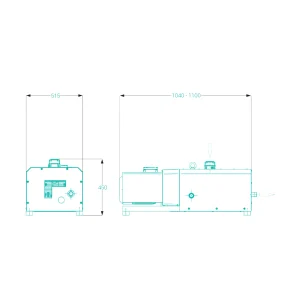 MINK MM 1324 AVPumping speed 160 m³/h 50 Hz190 m³/h 60 HzUltimate pressure 60 mbarRated motor power 4 kW 50 Hz4.2 kW 60 HzVariants 2
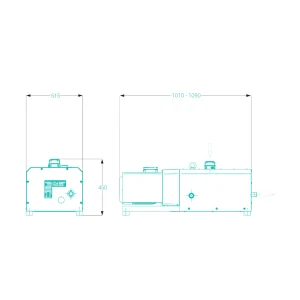 MINK MM 1202 AVPumping speed 200 m³/h 50 Hz240 m³/h 60 HzUltimate pressure 100 mbarRated motor power 4.3 kW 50 Hz5.2 kW 60 HzVariants 11
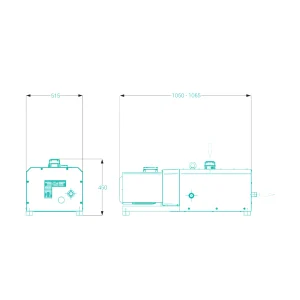 MINK MM 1252 AVPumping speed 245 m³/h 50 Hz290 m³/h 60 HzUltimate pressure 100 mbarRated motor power 5.5 kW 50 Hz6.5 kW 60 HzVariants 8
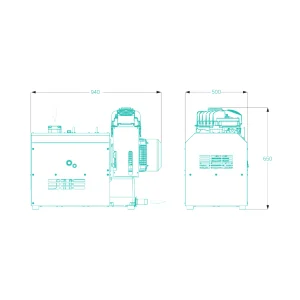 MINK MV 0312 BPumping speed 290 m³/h 50 Hz345 m³/h 60 HzUltimate pressure 150 mbarRated motor power 5.5 kW 50 Hz6.5 kW 60 HzVariants 4
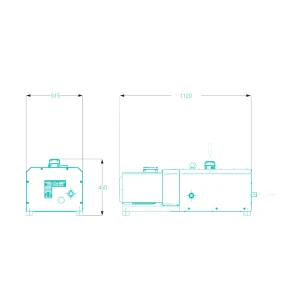 MINK MM 1322 AVPumping speed 300 m³/h 50 Hz360 m³/h 60 HzUltimate pressure 150 mbarRated motor power 6 kW 50 Hz8 kW 60 HzVariants 10
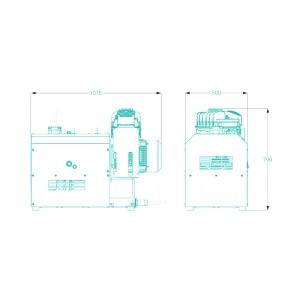 MINK MV 0310 BPumping speed 345 m³/h 50 Hz345 m³/h 60 HzUltimate pressure 150 mbarRated motor power 6 kW 50 Hz6 kW 60 HzVariants
Busch R5 series 58 models
Busch TYR series 16 models
Leybold CLAWVAC series 5 models
No model matches these filters.
Busch MINK series 32 models
Busch R5 series 58 models
Busch TYR series 16 models
Leybold CLAWVAC series 5 models
Models a manufacturer no longer carries in its current range are listed in its “Outdated models” section.
Industries
Milking: where the manufacturers name it
The manufacturers list these uses on their own pages.
Dairy
In dairy technology, Busch describes milking as a pulsating vacuum at the teat cup with MINK and TYR, and in its product finder also DOLPHIN and R5.
Packaging
Leybold names milking as an example of dairy products on the CLAWVAC page, which at Leybold belongs to food processing and packaging, without describing it in more detail.
Frequently asked questions
Milking: frequently asked questions
How does the vacuum in a milking system work?
A vacuum pump generates the negative pressure in the pipe network. According to Busch, the vacuum is applied in pulses at the teat cup, so that the milk is drawn off in alternation and the teat is relieved. Milk and air reach the separator, the milk is pumped off, and the air goes to the vacuum pump.
Which vacuum pump for milking systems?
Busch names the claw vacuum pump MINK and the rotary lobe blower TYR, and in its product finder also the liquid ring vacuum pump DOLPHIN and the oil-lubricated rotary vane vacuum pump R5. Leybold lists the claw vacuum pump CLAWVAC for dairy products, including milking.
How much vacuum does a milking system need?
The pumping speed of the pump depends on the number of milking points and the leakage air in the pipe network; the control valve keeps the negative pressure constant.
Oil-free or oil-lubricated for the milking system?
With MINK and TYR, Busch names dry machines, and in its product finder alongside them DOLPHIN with water as the operating liquid and the oil-lubricated R5; with CLAWVAC, Leybold names a dry claw vacuum pump. So both occur.
What does the pulsating vacuum do during milking?
According to Busch, the vacuum is applied in pulses at the teat cup: in one phase the negative pressure draws off the milk, in the other the teat is relieved. Busch names MINK and TYR for this.
Why does a milking system need a separator?
Milk and air come out of the teat cup together. The separator separates the milk and passes it to the milk pump; a safety separator and a filter keep milk, dirt and droplets away from the vacuum pump.
Can a claw vacuum pump be used for milking?
Yes. Busch names the claw vacuum pump MINK for the pulsating vacuum at the teat cup, and Leybold lists the claw vacuum pump CLAWVAC for dairy products, including milking.
Which blower is suitable for milking systems?
For milking, Busch names the rotary lobe blower TYR alongside the claw vacuum pump MINK.
A single pump or a central vacuum system?
A central system in a room of its own keeps noise and heat away from production and matches its output to the demand. Central vacuum systems are planned and built by Eugen Theis Vakuum, a company of the Ehrler & Beck group – more under Central Vacuum.
Does Ehrler & Beck also supply spare parts and service?
Yes. Ehrler & Beck offers original spare parts and accessories as well as maintenance and repair.
Which pump suits your process?
Tell us the application, the medium and the volume – we advise you on selection, spare parts and service.
