

Application
Glycol regeneration (MEG, TEG) under vacuum
In natural gas dehydration, glycol binds water and must then be regenerated: in the reboiler, the water evaporates from the glycol, under vacuum at a lower temperature – for TEG, Busch names below 204 °C. Edwards names the treatment of the glycol against gas hydrates as the purpose. Below you can see how the application works, what vacuum the manufacturers name and which of their series are intended for it – 139 models from 2 manufacturers.
Compare 139 modelsHow it works
- 139Models
- 5Series
- 2Manufacturers
- below 204 °CTEG regeneration in the reboiler (Busch)
Touch the points: each part of the system explains itself.
In short
Glycol regeneration (MEG, TEG): the key facts
- MEG and TEGBusch names monoethylene glycol regeneration, in which water is removed from MEG, and triethylene glycol regeneration, in which the water evaporates in the reboiler; Edwards names MEG/TEG regeneration.
- Below 204 °CFor TEG regeneration, Busch names below 204 °C: under vacuum, the water in the reboiler evaporates at a lower temperature.
- Gas hydratesEdwards names the treatment of the glycol against gas hydrates as the purpose of regeneration.
- ManufacturersBusch names DOLPHIN for MEG and TEG and COBRA for MEG (products of the COBRA Industry series in the product finder), Edwards the liquid ring series LR1A, LR1C and LR1D.
Operating principle
How it works: Glycol regeneration (MEG, TEG)
The drawing shows the basic principle in section. The systems and pumps of the individual manufacturers differ in detail.
- AbsorbingIn contact with the natural gas, the glycol absorbs water. Edwards names the treatment of the glycol against gas hydrates as the reason for regeneration.
- RegeneratingIn the reboiler, the water-laden glycol is heated; under vacuum, the water evaporates at a lower temperature – according to Busch, below 204 °C for TEG.
- CondensingThe water vapour is condensed in the condenser and collected; the dry glycol returns to the circuit.
Vacuum and sizing
Glycol regeneration (MEG, TEG): how much vacuum is needed
What the manufacturers say about pressure, pumping speed and sizing.
Which vacuum
For TEG regeneration, Busch names the temperature: below 204 °C in the reboiler; the vacuum lowers the boiling point of the water.
Water vapour and pump selection
The vapour from the reboiler is water vapour, which is condensed first. Busch names the DOLPHIN liquid ring vacuum pump for MEG and TEG and the COBRA dry screw vacuum pump for MEG; Edwards names liquid ring vacuum pumps and compressors of the LR series.
Technology
Glycol regeneration (MEG, TEG): the vacuum pumps the manufacturers name
Listed are the series the manufacturer itself names for this application. “Show only …” sets the filter of the product overview.
Liquid ring vacuum pumps
103 models · 20–16,160 m³/h
Screw vacuum pumps
36 models · 70–4,652 m³/h
Product overview
Glycol regeneration (MEG, TEG): all 139 models compared
Use the filters on the left to narrow the selection – by manufacturer, technology and the models’ key figures, for 50 or 60 Hz.
Busch COBRA Industry series 36 models
 COBRA NS 0070 CPumping speed 70 m³/h 50 Hz85 m³/h 60 HzUltimate pressure 0.03 mbarRated motor power 4 kW 50 Hz4.4 kW 60 HzVariants
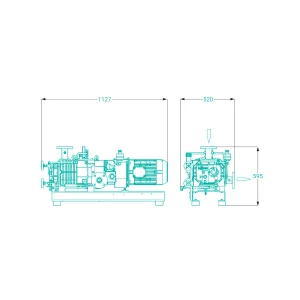 COBRA NC 0100 BPumping speed 110 m³/h 50 Hz130 m³/h 60 HzUltimate pressure 0.05 mbarRated motor power 3.5 kW 50 Hz4.8 kW 60 HzVariants 4
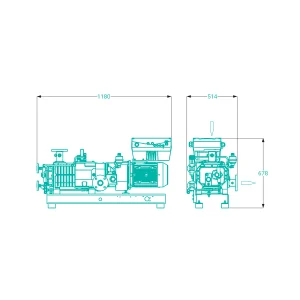 COBRA NC 0100 B ECOTORQUEPumping speed 130 m³/h 50 Hz130 m³/h 60 HzUltimate pressure 0.05 mbarRated motor power 4.8 kW 50 Hz4.8 kW 60 HzVariants
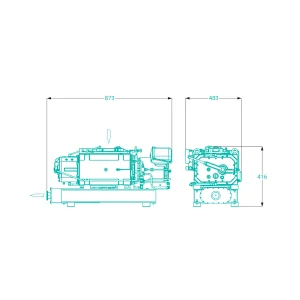 COBRA NS 0160 CPumping speed 135 m³/h 50 Hz170 m³/h 60 HzUltimate pressure 0.03 mbarRated motor power 5.5 kW 50 Hz6.6 kW 60 HzVariants
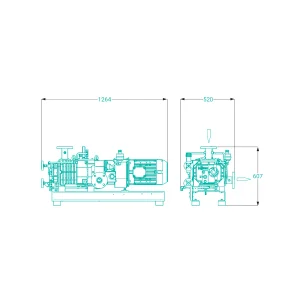 COBRA NC 0200 BPumping speed 220 m³/h 50 Hz265 m³/h 60 HzUltimate pressure 0.05 mbarRated motor power 6 kW 50 Hz7.6 kW 60 HzVariants 4
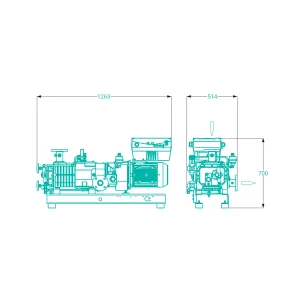 COBRA NC 0200 B ECOTORQUEPumping speed 265 m³/h 50 Hz265 m³/h 60 HzUltimate pressure 0.05 mbarRated motor power 7.6 kW 50 Hz7.6 kW 60 HzVariants
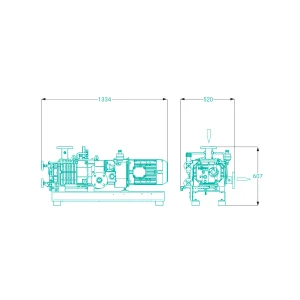 COBRA NC 0300 BPumping speed 320 m³/h 50 Hz385 m³/h 60 HzUltimate pressure 0.05 mbarRated motor power 7.5 kW 50 Hz9.5 kW 60 HzVariants 4
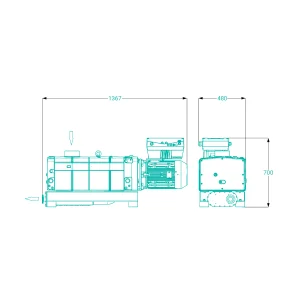 COBRA NC 0400 BPumping speed 350 m³/h 50 Hz420 m³/h 60 HzUltimate pressure 0.05 mbarRated motor power 7.5 kW 50 Hz9.5 kW 60 HzVariants
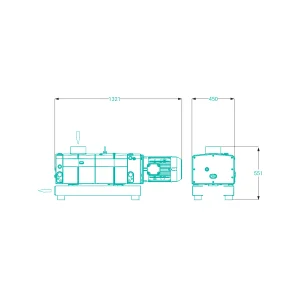 COBRA NX 0450 APumping speed 350 m³/h 50 Hz420 m³/h 60 HzUltimate pressure 0.1 mbarRated motor power 7.5 kW 50 Hz9.5 kW 60 HzVariants
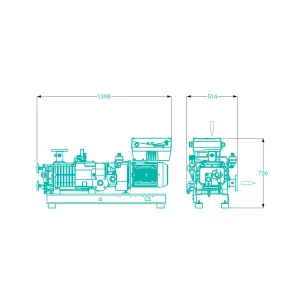 COBRA NC 0300 B ECOTORQUEPumping speed 385 m³/h 50 Hz385 m³/h 60 HzUltimate pressure 0.05 mbarRated motor power 9.5 kW 50 Hz9.5 kW 60 HzVariants
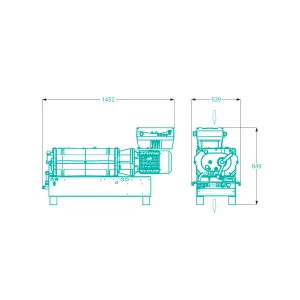 COBRA NC 0400 B ECOTORQUEPumping speed 420 m³/h 50 Hz420 m³/h 60 HzUltimate pressure 0.05 mbarRated motor power 9.5 kW 50 Hz9.5 kW 60 HzVariants
 COBRA NX 0450 A ECOTORQUEPumping speed 420 m³/h 50 Hz420 m³/h 60 HzUltimate pressure 0.1 mbarRated motor power 11 kW 50 Hz11 kW 60 HzVariants
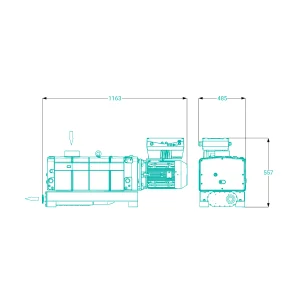 COBRA NC 0500 BPumping speed 490 m³/h 50 Hz490 m³/h 60 HzUltimate pressure 0.01 mbarRated motor power 9 kW 50 Hz9 kW 60 HzVariants
 COBRA NC 0630 C VRPumping speed 580 m³/h 50 Hz680 m³/h 60 HzUltimate pressure 25 mbarRated motor power 22 kW 50 Hz22 kW 60 HzVariants
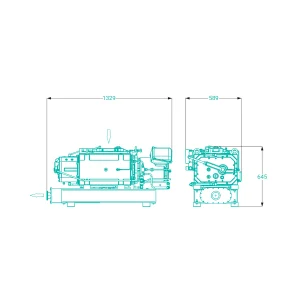 COBRA NS 0600 CPumping speed 600 m³/h 50 Hz600 m³/h 60 HzUltimate pressure 0.01 mbarRated motor power 15 kW 50 Hz15 kW 60 HzVariants
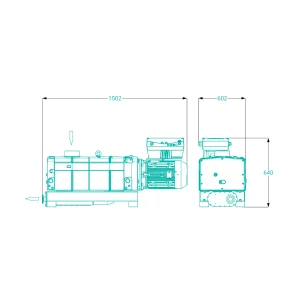 COBRA NC 0630 CPumping speed 630 m³/h 50 Hz630 m³/h 60 HzUltimate pressure 0.01 mbarRated motor power 15 kW 50 Hz17 kW 60 HzVariants
 COBRA NC 0630 C ECOTORQUEPumping speed 630 m³/h 50 Hz630 m³/h 60 HzUltimate pressure 0.01 mbarRated motor power 17 kW 50 Hz17 kW 60 HzVariants
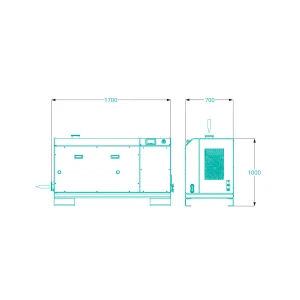 COBRA DX 0650 A PLUSPumping speed 650 m³/h 50 Hz650 m³/h 60 HzUltimate pressure 0.1 mbarRated motor power 15 kW 50 Hz15 kW 60 HzVariants
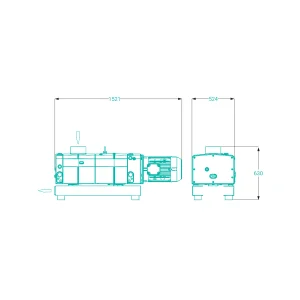 COBRA NX 0650 APumping speed 650 m³/h 50 Hz650 m³/h 60 HzUltimate pressure 0.1 mbarRated motor power 12.5 kW 50 Hz15 kW 60 HzVariants
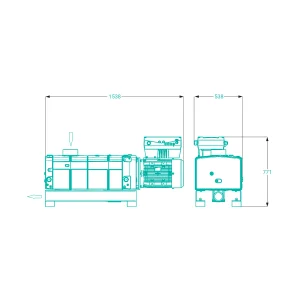 COBRA NX 0650 A ECOTORQUEPumping speed 650 m³/h 50 Hz650 m³/h 60 HzUltimate pressure 0.1 mbarRated motor power 15 kW 50 Hz15 kW 60 HzVariants
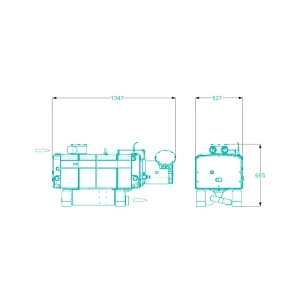 COBRA NF 0750 APumping speed 750 m³/h 50 Hz750 m³/h 60 HzUltimate pressure 0.05 mbarRated motor power 15 kW 50 Hz15 kW 60 HzVariants
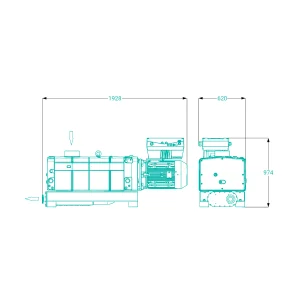 COBRA NC 1000 BPumping speed 840 m³/h 50 Hz1,000 m³/h 60 HzUltimate pressure 0.05 mbarRated motor power 22 kW 50 Hz25 kW 60 HzVariants
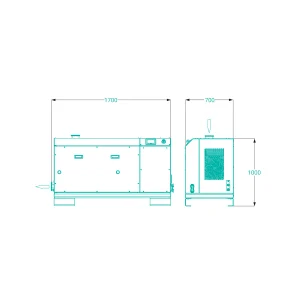 COBRA DX 0950 A PLUSPumping speed 950 m³/h 50 Hz950 m³/h 60 HzUltimate pressure 0.01 mbarRated motor power 18.5 kW 50 Hz18.5 kW 60 HzVariants
Busch DOLPHIN series 70 models
Edwards LR1A series 12 models
Edwards LR1C series 9 models
Edwards LR1D series 12 models
No model matches these filters.
Busch COBRA Industry series 36 models
Busch DOLPHIN series 70 models
Edwards LR1A series 12 models
Edwards LR1C series 9 models
Edwards LR1D series 12 models
Models a manufacturer no longer carries in its current range are listed in its “Outdated models” section.
Industries
Glycol regeneration (MEG, TEG): where the manufacturers name it
The manufacturers list these uses on their own pages.
Oil and gas
Busch names MEG and TEG regeneration for oil and gas with DOLPHIN and COBRA (TEG below 204 °C), Edwards MEG/TEG regeneration with the LR series for treating the glycol against gas hydrates.
Frequently asked questions
Glycol regeneration (MEG, TEG): frequently asked questions
What is glycol regeneration?
Glycol (MEG or TEG) removes water from natural gas and must then be dried again itself. Busch describes the removal of water from MEG for this and, for TEG, the evaporation of the water in the reboiler; Edwards names MEG/TEG regeneration for treating the glycol against gas hydrates.
Why is glycol regenerated under vacuum?
Under vacuum, water boils at a lower temperature. For TEG regeneration in the reboiler, Busch names below 204 °C – the water evaporates without the glycol having to be heated to a higher temperature.
What is the difference between MEG and TEG regeneration?
Busch names both: in monoethylene glycol regeneration (MEG), water is removed from the MEG; DOLPHIN and COBRA are named. In triethylene glycol regeneration (TEG), the water evaporates in the reboiler below 204 °C; DOLPHIN is named. Edwards groups both together as MEG/TEG regeneration.
Which vacuum pump for glycol regeneration?
Busch names the DOLPHIN liquid ring vacuum pump for MEG and TEG and the COBRA screw vacuum pump for MEG; in its product finder, Busch lists products of the COBRA Industry series under glycol regeneration. Edwards names the liquid ring series LR1A, LR1C and LR1D.
Oil-free or oil-lubricated for glycol regeneration?
Pumps without oil in the pump chamber are named: Busch names the DOLPHIN liquid ring vacuum pump and the COBRA dry screw vacuum pump, Edwards liquid ring pumps of the LR series.
How much vacuum does glycol regeneration need?
Busch states the temperature: below 204 °C for TEG regeneration in the reboiler. The required pressure follows from the temperature at which the water is to evaporate from the glycol.
What do gas hydrates have to do with glycol?
Edwards names the treatment of the glycol against gas hydrates. Glycol removes water from natural gas; so that it can continue to do so, it is regenerated, i.e. freed of the water itself.
What happens to the water vapour from the reboiler?
It is condensed in the condenser and collected in the condensate tank; the vacuum pump draws off the non-condensed fractions. For regeneration, Busch names the DOLPHIN liquid ring vacuum pump, Edwards the LR series.
A single pump or a central vacuum system?
A central system in a room of its own keeps noise and heat away from production and matches its output to the demand. Central vacuum systems are planned and built by Eugen Theis Vakuum, a company of the Ehrler & Beck group – more under Central Vacuum.
Does Ehrler & Beck also supply spare parts and service?
Yes. Ehrler & Beck offers original spare parts and accessories as well as maintenance and repair.
Which pump suits your process?
Tell us the application, the medium and the volume – we advise you on selection, spare parts and service.
